New Melones Lake sits at an elevation of 1,088 feet in California's Sierra Nevada foothills between Sonora and Angels Camp. The reservoir spans 12,500 acres when full, making it California's fourth-largest reservoir by volume. Summer temperatures regularly exceed 90°F from June through September, while winter lows can drop to the 30s, creating distinct camping seasons with varying water levels.
What to do
Swimming access points: At Tuttletown Recreation Area, visitors can find designated swimming areas away from boat traffic. "We drove a few minutes to the parking lot. But we found a nice private spot to dunk in the water," shares Natalya P., who notes that swimming spots require a bit of exploration.
Kayaking routes: Acorn Campground offers direct water access for paddlers. "We got in our kayaks for an awesome day paddle around the many coves of this reservoir. Since the lake level fluctuates there aren't many good beaches, but you can pull off to have a picnic lunch," reports Shari G., who found numerous isolated coves to explore.
Stargazing opportunities: Clear, dark skies make glamping near New Melones Lake excellent for astronomy. "The stars were so so beautiful, you can see the milky-way and in the morning you're greeted by cows outside the fence!" notes Brenna R. from Diamond Gulch, highlighting the minimal light pollution in this foothill region.
Wildlife viewing: Morning and evening hours bring active wildlife. "The lake is gorgeous and at night there were several deer walking thru the site," explains Melissa B., who stayed at Lake Tulloch. Early risers might spot wild turkeys, various bird species, and occasional coyotes calling at night.
What campers like
Shaded sites: During hot summer months, tree cover becomes crucial. "We were lucky to have a spot at the dead center of the top of the mountain looking out at the lake (site 13) with a big shade tree," explains Katie K. at Lake Tulloch RV Campground and Marina, where temperatures regularly exceed 95°F during July and August.
Lake level changes: Water levels create different experiences throughout the year. "Early summer is the best time to go for high lake levels. There is boating, fishing, water skiing, jet skiing, swimming etc available in the lake," notes Darin D., who recommends planning around reservoir conditions for optimal water recreation.
Quiet weekday camping: Mid-week visits offer solitude compared to weekends. "Typically when we go is summer, late July to early August... Weekends are filled up and busy, but during the week days it's nice and quiet," says Kellie D., who found Lake Camanche significantly less crowded Monday through Thursday.
Off-season tranquility: Spring and fall camping provides moderate temperatures and fewer crowds. "We stayed at the lake for one night, mid-week, off season. We were only one of a few handful of RVs in the RV section of the campground... it was full of bird songs and a gorgeous sunset," reports The School for Y., describing the benefits of April camping.
What you should know
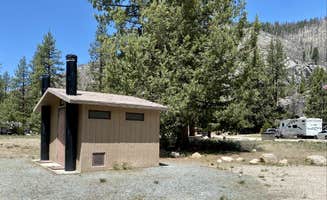
Bathroom facilities: Toilet quality varies significantly between sites. "The showers are free and usually clean although on Saturday evening the campground was full and the bathrooms were dirty and out of TP," notes Jeanette D. from Yosemite Pines RV Resort & Family Lodging, suggesting campers bring their own supplies during peak periods.
Site selection research: Campsite layouts differ dramatically, even within the same campground. "My only issues were that the site was pretty small—we managed to squeeze a 4 person tent and a 2 person tent but anything larger wouldn't fit unless I wanted to be on a decent slope," explains Jordan L. at Tuttletown Recreation Area, highlighting the importance of researching specific site dimensions before booking.
Water supply considerations: Water access changes with lake levels. "Water level in the New Melones Lake was quite low at that time and it is kind of an off-season time to visit this recreation area so campground was not crowded at all," shares Mon M., noting that drought conditions create longer walks to the water's edge.
Heat management: Summer temperatures regularly reach 100°F+. "Wicked August heat, BUT there's the lake!" reports Larry W., recommending "a shade pop-up AT water's edge" since the trek between campsite and water can be considerable during hot afternoons.
Tips for camping with families
Petting zoo activities: Thousand Trails Yosemite Lakes offers animal encounters close to New Melones Lake. "We were a party of six... We saw some squirrels and dears, they didn't bothered us. It was super calm," shares Clara T., describing how wildlife viewing opportunities keep children engaged.
Kid-friendly water access: Find beaches with gentle entries for young swimmers. "Acorn campground is great for tent and RV camping. Warm weather so great for swimming. Good for fishing, boating (they have a launch), kayaking, paddle boarding and you can bring bikes and scooters for the kids," notes Rosina A., highlighting multiple activities to keep children entertained.
Activity diversity planning: Schedule land-based alternatives for windy days. "The kids had fun playing at the playground, jet skiing, and making sand castles at the beach," mentions Elisabeth, who found multiple options when lake conditions weren't ideal for water activities.
Evening entertainment options: Look for campgrounds with organized activities. "With a pool, petting zoo, a corral where they have a fire and s'mores followed by a movie, this is a great place to camp with the kids," Jeanette D. reports, detailing structured evening programs available at some glamping facilities.
Tips from RVers
Dump station access: Plan waste management carefully. "There is a nice dump station ($8 fee recommended.. pay station is at park entrance). Lots of deer and raccoons. Gas station with firewood not too far away (Lakeridge Inn Gas), and they have diesel," advises Hunter P., who found Tuttletown's facilities adequate despite being primarily tent-focused.
Site leveling requirements: Prepare for uneven terrain. "Spots are unlevel, but not horribly," notes Ryan H. from Diamond Gulch, suggesting RVers bring adequate leveling blocks even at developed sites.
Power limitations: Match electricity needs to available hookups. "There are only a handful of 50amp spots and people move to them quickly after someone leaves lots of 30amp though so you might want to bring an adapter," warns William V. about RV camping at Thousand Trails Yosemite Lakes, highlighting the competition for premium power sites.
Storage security: Wildlife presents challenges for exterior storage. "Ferral cat problem!!! Dont leave anything out! Deer and cats get into everything! And cats pee on everything!" cautions Melissa P. at Lake Tulloch, warning RVers to secure outdoor items and food storage.










 Scout
Scout


