Dispersed camping near Gazelle, California primarily consists of remote sites in national forest land at elevations between 3,500-7,000 feet. Most locations require traveling on unpaved forest roads that vary seasonally in condition, with some becoming impassable after rainfall or during winter months. Winter temperatures regularly drop below freezing, while summer highs typically reach 80-90°F during July and August.
What to do
Hiking to nearby lakes: Castle Lake is accessible via a moderate 30-minute walk from Castle Lake Dispersed Camping. "If you camp here check out Siskiyou Lake right down the way to swim it was THE best view of Shasta and the most mellow and perfect swimming conditions!" notes Tiffany M.
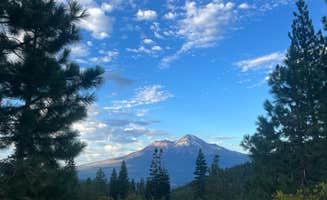
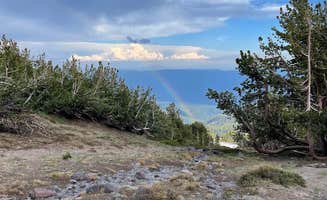
Wildlife viewing opportunities: The forests around Mount Shasta provide habitat for deer, black bears, and numerous bird species. Near Railline Primitive Camping, one camper observed: "It's at the Western foot of Shasta. Great views," making it an ideal location for wildlife spotting at dawn and dusk.
Photography: The morning light on Mount Shasta creates ideal photography conditions. "There a 3-5 sites along the road and very spread apart. We did not hear any other campers even though there were at least 2 nearby," Sam M. reports about Dispersed Campsite near Castle Lake and Shasta, describing the solitude that photographers appreciate.
What campers like
Privacy between sites: Most rustic camping areas near Gazelle provide separation between campers. At Dispersed Campsite near Castle Lake and Shasta, Regina L. noted: "It was one way in 1 way out. So we felt safe. The only issue we had was there were a lot of bugs, but I believe that is due to the time of year."
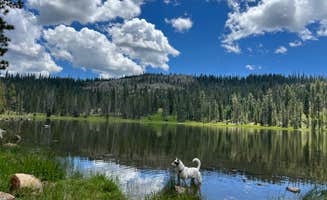
Accessible swimming: Multiple lakes offer summer swimming options. "Lake Siskiyou is super close and was warm enough for a quick dip before hitting the road," reports Kimmerly M. about her experience camping near Castle Lake.
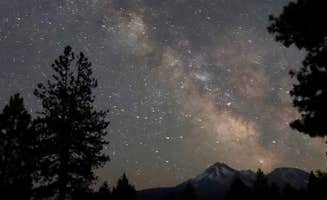
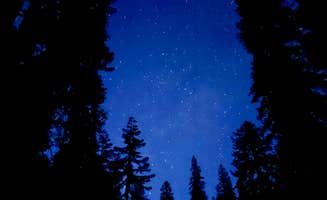
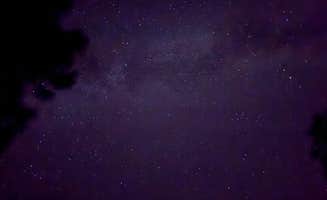
Star viewing: The minimal light pollution makes this region excellent for astronomy. "I happily woke up the morning to perfect weather and beautiful woods & scenery," wrote Alice P. about Red Fir Campground, where many campers set up telescopes for night sky observation.
What you should know
Road conditions change seasonally: Many forest roads become difficult or impassable during certain times. "We couldn't get more than a quarter mile up the very rocky forest service road. The road is completely snow covered. Two others had the same problem," Sarah J. reported about Sand Flat Wild Camping.
Cell service varies by location: Coverage can be inconsistent throughout the region. "Cell phone service is good," noted Alice P. about Red Fir Campground, but this varies significantly between camping areas.
Pack extra bug spray: Insects can be problematic depending on season. "It was pretty hot at night, and a bunch of bugs so keep that in mind," advised Grace A. when staying near Castle Lake.
Tips for camping with families
Choose spots away from cliff edges: Some areas have potentially dangerous terrain features. "Checked out the spot and too much cliffage around this. Maybe better across the road there's an obvious dirt road that goes into the forest," warns Nicolina B. regarding Upper Sand Flat.
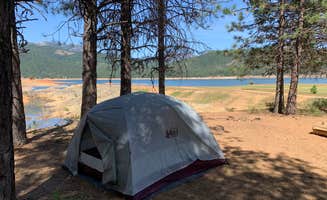
Look for flat camping areas: Sites with level ground are easier for setting up family tents. "Pretty flat spots scattered around between trees. We had a 21 ft long campervan that was relatively easy to drive around looking a for good spot," Cassie C. explains about Red Fir Campground.
Consider bathroom accessibility: No permanent facilities exist at most sites. "No facilities or running water. They have outhouses about a mile up the road," reports Dave C., providing essential information for families planning rustic camping near Gazelle.
Tips from RVers
Size limitations for larger vehicles: Most dispersed sites accommodate smaller RVs only. At Mt. Shasta Clear Creek Route, Les R. notes: "We stayed overnight for our 2-day hike to the summit of Shasta. We camped at 8500, which was the perfect spot," but reaching this elevation requires appropriate vehicles.
Ground conditions affect accessibility: Soil conditions impact vehicle access. "Dirt is very soft making it difficult to drive off the beaten path without an all wheel drive. All season tires were a plus with our rear wheel drive sprinter van," explains William M. about Railline Primitive Camping.
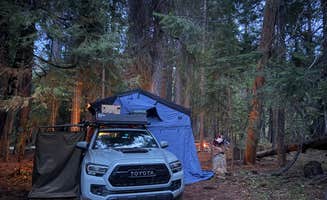
Limited turn-around space: Some roads have few places to maneuver larger vehicles. "I would probably not recommend with a trailer. I made it down with my Tacoma and a 12ft travel trailer but it was a stretch. Super easy to get in, but took a long time to turn around and get back out," cautions Meatball W. about Castle Lake Dispersed Camping.








 Legend


