Camping areas near New River, Arizona sit at elevations ranging from 1,500 to 3,000 feet in the northern foothills of Phoenix's urban boundary. The region's semi-arid climate delivers mild winters with occasional frost and summer temperatures regularly exceeding 100°F. Trail conditions vary dramatically between lower desert trails and higher mountain routes, with many paths closing during extreme heat warnings from June through September.
What to do
Mountain biking at McDowell Mountain Regional Park: The extensive trail system offers varied terrain for riders of all skill levels. Trails remain open year-round but are best experienced during cooler months. "Miles of mountain biking trails which were spectacular. We've ridden lots of places and this is definitely one of my favorite. Trails are not technically difficult but a great workout and so pretty," notes Mike M. at McDowell Mountain Regional Park.
Waterfall hiking at White Tank Mountain: The paved Waterfall Trail leads to seasonal water features after heavy rains. The 1.8-mile round trip passes Hohokam petroglyphs and includes accessible sections. "There is a nice trail to Waterfall Canyon which is heavily used but worth it. There are a number of petroglyphs from the Hohokam culture that you can see," reports Christine S. at White Tank Mountain Regional Park.
Fishing at Bartlett Lake: The shoreline camping areas provide direct lake access for anglers targeting largemouth bass, bluegill, and catfish. Arizona fishing license required. "Great Lake for fishing, but not a ton of hiking around," shares Alex H. about his experience at Bartlett Flat.
What campers like
Desert wildlife viewing: Early mornings and evenings offer prime wildlife spotting opportunities. "At night the coyotes sing you to sleep and also wake you up in the morning," describes Larry G. at Lost Dutchman State Park Campground where wildlife encounters remain common year-round.
Proximity to urban conveniences: Many campgrounds balance natural surroundings with access to nearby services. "Located less than an hour from Phoenix, this campground is an easy getaway," notes Lee D. about White Tank Mountain Regional Park, making it practical for weekend trips without extensive provisioning.
Temperature contrast: The dramatic day-to-night temperature shifts create unique camping conditions. "When we went it was incredibly hot and it's important to bring lots of water. I recommend being there for sunset as the colors on the sandy mountain is magnificent. Also be prepared for a HUGE drop in temperature at night because it can get very cold very quickly," advises Ethan K. at McDowell Mountain.
What you should know
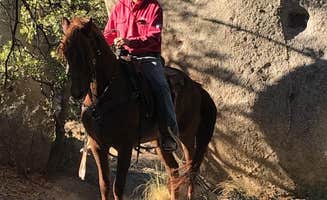
Horse facility limitations: Despite the name "horse campgrounds near New River," dedicated equestrian facilities remain scarce. Most campgrounds allow horseback riding on designated trails but lack horse-specific amenities like corrals or wash stations. Crown King Area offers more primitive options: "Horsethief Basin Lake are ~7 miles from the main city of Crown King and definitely require a high clearance vehicle (4x4 highly recommended)," explains Justin M. at Crown King Area (Horsethief Basin lake).
Human waste management: Many dispersed camping areas lack formal facilities. "That is my only concern is people do not pack out their toilet paper or their human feces. Please keep this area beautiful the way it naturally is and pack out your waste which is toxic to wildlife," cautions lindsey S. about Bartlett Flat camping.
Reservation requirements: Popular campgrounds fill quickly during peak season. "Sites fill up because it's so great so you have to book ahead. We had to camp in overflow area one night which was still fine then was able to grab a canceled spot," advises Mike M. about McDowell Mountain Regional Park.
Tips for camping with families
Educational programming: Take advantage of ranger-led activities. "The park has an excellent nature center, great hiking, archaeology and good water/power hook-ups," reports Marc about White Tank Mountain Regional Park, where educational programs run throughout winter months.
Playground access: Several parks feature developed play areas. "There are a number of playgrounds in the park as well," notes Ellen W. about Usery Mountain Regional Park, making it suitable for families with younger children needing recreation options beyond hiking.
Water safety: Lakes require careful supervision. "We love camping here, its so close to home and it's dispersed! We usually camp right on the water. It can get really packed but we have never had bad neighbors," explains Alaina C. about Bartlett Flat, where shoreline camping allows direct water access.
Tips from RVers
Site spacing considerations: Most developed campgrounds provide adequate separation between sites. "Spaces are large and spread out making it a great fit for tent campers or RV campers," explains Crystal C. about White Tank Mountain, where site arrangements accommodate various camping styles.
Hookup availability: Water and electric connections vary by location. "The utilities are easy to find and use, but only have water and electric. Both 30 and 520 amp available!" explains Larry G. about Lost Dutchman State Park, though sewer connections remain limited at most area campgrounds.
Dump station logistics: Plan waste management in advance. "NO sewer, however electric and water are available and conveniently located," reports Larry G. about McDowell Mountain Regional Park, typical of regional campgrounds that offer dump stations but lack site-specific sewer connections.





 Scout
Scout


