Tent camping near Norton, Vermont provides access to several wilderness experiences along the Connecticut River and surrounding forests. Most sites in this area sit at elevations between 1,000-1,300 feet, with nearby peaks reaching up to 3,300 feet. Winter conditions can persist into late May at higher elevations, with summer temperatures typically ranging from 55-80°F and frequent afternoon thunderstorms.
What to do
Paddle the Connecticut River: Visitors can launch canoes from Beecher Falls River Access and float downstream to Lyman Falls State Park Campground. "We drove north about 20 minutes to the Beecher Falls river access area and paddled back down to our campsite which was a nice little float. The Beecher Falls River Access area was just completed and is in great shape, making getting the boat down to the river super easy," notes Sarah C.
Fly fishing: Try your hand at fishing the local ponds and streams. Anglers should bring gear suitable for smaller waterways. At Unknown Pond, "The pond is beautiful and open to fly fishing for those with a NH fishing license. While I didn't have much luck with the fish, I was certainly surrounded by a multitude of frogs!" reports a camper.
Wildlife viewing: The wetland areas provide excellent opportunities for wildlife observation. "You can kayak with Bald Eagles soaring over your head, swim in a crystal clear lake and enjoy a near wilderness camping experience," writes Rebecca A. about remote sites in the region. Early mornings and dusk offer the best chances to spot moose, especially near ponds and marshy areas.
What campers like
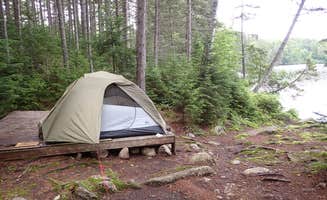
Riverside privacy: Many campsites provide seclusion along waterways. At Scott C. Devlin Memorial, "This is another beautiful site along the CT River Paddler's Trail. It is well maintained and tucked on a knoll in a pine forest. There is a picnic table, fire ring and composting toilet box seat."
Swimming spots: Natural swimming areas offer refreshing breaks during summer heat. "There is a great swimming area in a large deep eddy and the remnants of an old dam can be seen upstream," mentions a reviewer about Lyman Falls. These swimming holes typically feature sandy or rocky bottoms rather than muddy shorelines.
Minimal light pollution: The area's rural character allows for excellent stargazing opportunities. "Be prepared to fall asleep to the sound of loons and begin and end each day with incredible sun rises and sets," shares Sarah C. Most campsites have unobstructed sky views, especially those on elevated areas or along open waterways.
What you should know
Campsite registration: Some dispersed sites require advance registration. At Maine Railroad Trestle, "While reservations are not required, there is a registration page on the CT River Paddler's Trail Website that they ask folx to complete just so spots don't get overcrowded."
Insect preparation: Beyond mosquitoes, ticks are a significant concern in this area. "Beware the ticks! They weren't the worse I've seen, but they are definitely around," warns a camper about riverside sites. Grassy field campsites generally have higher tick populations than forested areas.
Water access challenges: River sites often have steep or tricky access points. "The takeout is easy to miss if you aren't looking as it sits right in the bend of the river. There is a set of wooden steps that go down into the water at a relatively steep angle. Be sure you tie your boat up while unloading as there is a fair amount of current sweeping around the bend."







 Legend


