The Caddo National Grassland area spans nearly 18,000 acres of prairie and woodland in northeastern Texas, with elevations ranging from 500 to 700 feet. The region experiences hot summers with temperatures often exceeding 95°F, while winters are typically mild with occasional cold fronts. Horse trails throughout the area range from 2 to 8 miles in length with varied terrain suitable for both novice and experienced riders.
What to do
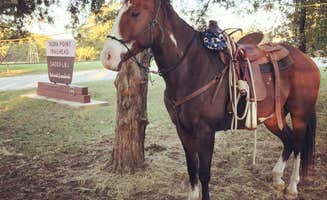
Horseback riding on designated trails: Trails at Isle du Bois Campsites — Ray Roberts Lake State Park connect to a larger network across varied terrain. "There are few campers here in December. Restrooms were clean. Campsites, large and private," notes Eric R., making winter an excellent time for horse camping with fewer crowds.
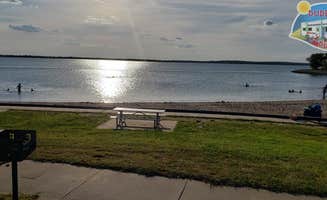
Fishing from shorelines: The lakes near equestrian campgrounds offer bank fishing opportunities without traveling far from your campsite. Christopher L. describes Isle du Bois: "Sites 119-122 (maybe 123) are right on the lake so you can see ducks and do some bank fishing without needing to go anywhere."
Bird watching: The grassland habitat supports over 90 species of birds throughout the year. Bring binoculars during spring migration (March-May) for optimal viewing. At Johnson Branch Campsites — Ray Roberts Lake State Park, Tony C. reports, "Deer will approach your campsite and you're likely to see all kinds of wildlife. A gem of a getaway!"
What campers like
Well-spaced equestrian campsites: The horse camping areas provide ample room for trailers and portable corrals. "The sites are pretty close together and the entire park feels packed together when it comes to camping space," notes B H. at Platter Flats Campground, explaining why some riders prefer the less crowded sections.
Trail connectivity for long rides: Multiple interconnected paths allow for varied route planning. Gretchen N. confirms: "Scenic trails vary in distance but are easy to connect for longer hikes – or walk the shoreline for a nice lakeside view. Lots to explore and see here!"
Winter and spring riding conditions: Late fall through early spring offers the most comfortable riding weather, avoiding summer heat. Cheryl describes her experience: "We went last weekend, water is high, some areas for RV flooded out. Great place to go." Weather affects trail conditions significantly, so check before traveling.
What you should know
Bring your own horse supplies: No feed or specialized equipment is sold at the parks. Come prepared with all necessary horse supplies.
Water access points are seasonal: Drinking locations for horses may close during drought periods. "We stayed in elephant rock 2 site 44, we had a great view of the lake, however we didn't realize we would need 50 feet of hose just to hook up to the water," warns Jordan H. at Elephant Rock Campground.
Advanced reservation requirements: Horse camping sites fill quickly, especially during prime seasons. Reserve weeks in advance for weekend stays. "Overnighted here returning home from a longer trip. It was okay for what I was doing, but I would never choose to camp here as a destination as a tent camper," notes Veronica S. about non-equestrian sites at another nearby campground.
Trailer parking regulations: Some areas restrict trailer size or require specific parking arrangements. Check park regulations before arrival.
Tips for camping with families
Horse-friendly playground access: Several equestrian campgrounds feature play areas within walking distance of horse sites. "There is also a fantastic beach swim area for day use or to visit while your camping. Nice sand and roped off swimming areas with large playgrounds," explains Matt S. about East Fork Park Campground.
Beginner-friendly horse trails: For families with less experienced riders, select trails marked as easy with minimal elevation change. The 2-mile loops are most suitable for children.
Supervised interaction areas: Designated spaces allow children to observe horses safely. "My youngest was super excited to see a little library set up at the playground. We chose Star Wars readers," shares Monica C. at Pilot Knoll Park Campground, describing additional family amenities near horse areas.
Educational opportunities: Several parks offer junior ranger programs covering local wildlife and horse care basics during summer months.
Tips from RVers
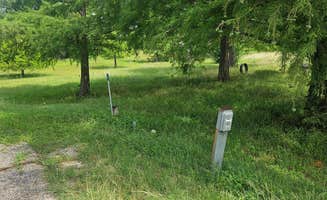
Living quarters trailer positioning: Place trailers strategically for shade and access to hitching areas. Dennis G. notes: "Sites are fairly well dispersed with water and electric at each. Be careful though, because the asphalt is crumbling and many have ankle-breaking drop offs between the parking pad and the picnic table."
Hookup extensions required: Many horse campgrounds have utilities positioned for standard RVs, not horse trailers. Bring 50-foot water hoses and 25-foot electrical cords.
Seasonal availability variations: RV sites with equestrian facilities have different availability patterns than standard sites. Christina H. explains: "Overall, we had a lovely Memorial Day weekend at this campground. It's close to town just in case you need to make a quick trip for something."
Shared washing stations: Designated areas for cleaning tack and horses typically have concrete pads with drainage systems and may require scheduling during busy periods.



 Legend


