Tent camping in Custer National Forest's Montana areas provides a quieter alternative to more developed recreation zones. The forest spans over 1.2 million acres across southeastern Montana with elevations ranging from 3,000 to 4,000 feet in most camping areas. Summer temperatures typically reach 80-90°F during daytime hours, dropping significantly at night, even during peak season.
What to do
Fishing opportunities: Blacks Pond Campground serves as a potential fishing location, though success varies. As camper Jayme M. notes, "Tried fishing for trout that are supposedly stocked in the pond but no luck. More of a swimming hole."
Swimming in natural settings: Several pond areas within the forest boundaries provide swimming options during summer months. The remote location of these swimming areas typically means uncrowded conditions. Blacks Pond Campground is described as "way off the beaten path" and offers both fishing attempts and swimming possibilities.
Trail exploration: The forest contains numerous hiking trails suitable for day trips from established campgrounds. These trails often follow creek beds or connect to higher elevation points. Some sites offer immediate trail access, with a reviewer noting there are "some trails to ride on" near camping areas.
What campers like
Secluded camping spots: Ekalaka Park Campground provides isolation between sites due to its terrain. According to AJ L., "the park is just north of the town in a small forested area. Water and a pit toilet are available. Camping spots are very few but well spaced and comfortable for tents."
Natural scenery: The landscape surrounding many camping areas features distinctive geological formations. The terrain offers visual interest without requiring significant travel from campsites. Moorhead Recreation Site has "cliffs on the south and east side. Beautiful scenery in the early summer," as described by Chelsea J.
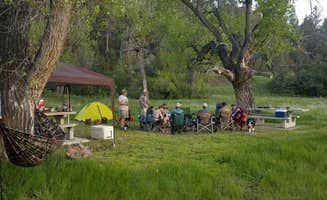
Group camping options: Some locations accommodate larger camping groups while still maintaining a wilderness feel. At Moorhead Recreation Site, one camper reported: "Camped here last year beginning of June. A group of about 20 of us. We all tent camped but there were two huge RVs that came in the second night we were there and still plenty of ground to be separated."
What you should know
Access challenges: Road conditions and bridge closures affect travel to some camping areas. For Moorhead Recreation Site, campers should note that "they closed the bridge on Moorhead Rd. The bridge isn't safe enough to cross with a vehicle. Can still walk across. So to get here you have to go down on the west side of the river on powder river rd," according to a recent visitor.
Limited facilities: Most tent camping locations offer minimal infrastructure. While some sites provide basic amenities, self-sufficiency is essential. Macnab Pond includes toilet facilities but lacks drinking water and other services.
Water availability concerns: Natural water sources may be present but require treatment. At Moorhead Recreation Site, there's "a spout with spring water coming out. Not sure if it's safe to drink, bring your own water just in case," warns one camper.
Tips for camping with families
Swimming alternatives: When seeking the best tent camping near Custer National Forest with children, consider sites near water features. Blacks Pond Campground offers a natural swimming area that can provide entertainment for families, described as "more of a swimming hole" by visitors.
Site spacing for privacy: Families benefit from campgrounds with adequate space between sites. Ekalaka Park Campground features terrain that creates natural boundaries, with its "steep terrain makes it secluded" according to reviews.
Fire availability: Confirm current fire regulations before arrival as conditions change seasonally. While some campgrounds typically permit fires in established rings, restrictions may apply during dry periods or after forest fire activity. Recent reports indicate Ekalaka Park has seen changes, as "unfortunately a forest fire bordering the campground has led to it being nearly unusable. Maintenance is minimal."
Tips from RVers
Site capacity limitations: While primarily tent-focused, some areas can accommodate limited RV camping. At Moorhead Recreation Site, a camper noted that "there were two huge RVs that came in the second night we were there and still plenty of ground to be separated. Roughly I'd say there's 10 to 20 camping spots? Closer to 10."
Road access considerations: RVers should research current access routes before attempting to reach remote campgrounds. Bridge weight restrictions and narrow forest roads may prevent larger vehicles from reaching certain sites. Local knowledge is valuable, as one camper suggested: "ask anyone in Broadus, MT if unsure how to safely get there."




 Ranger


