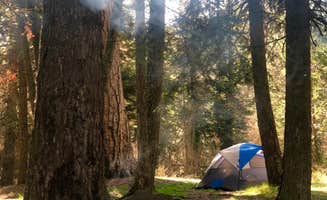
Dispersed camping options near Weston, Oregon extend beyond established campgrounds, with primitive sites available along forest service roads throughout the Wallowa-Whitman National Forest. Elevation in the surrounding Blue Mountains ranges from 2,000-5,000 feet, creating variable camping conditions. Forest roads often become impassable during spring snowmelt and after heavy rainfall, with access typically best from late June through September.
What to do
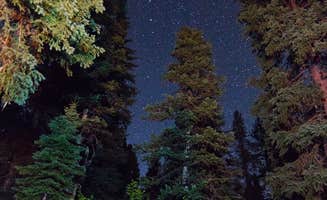
Stargazing opportunities: Minimal light pollution at Wallowa-Whitman NF 21 creates excellent conditions for night sky viewing. As one camper notes, "Easy and vacant find for a last minute change to our route. Primitive dispersed campsites with rock fire rings right off the highway."
Wildlife watching: The forests surrounding Wallowa-Whitman NF 21 - Dispersed offer frequent wildlife sightings. One visitor reported, "I saw lots of elk and turkeys(?) and a rattlesnake." Early morning and dusk provide the best wildlife viewing opportunities.
Hiking access: Many sites connect to trail networks. At The High Road Cabin (two) TENT Spots, campers can "Camp in the Blue Mountain Range. This space provides a locked gate to give you privacy and peace of mind! Minimal light pollution will provide you gorgeous starry skies."
What campers like
Solitude factor: Forest sites offer significant privacy compared to developed campgrounds. At Wallowa-Whitman NF 21, one visitor mentioned, "Many options for private pull-offs once you drive past established NF campgrounds—likely tough to do without high clearance and/or 4WD when wet."
Site abundance: The forest service roads contain numerous potential camping spots. A camper at Blue Mtns North/Grande Ronde River Basin Area simply stated, "Lots of free camping!"
Easy highway access: For travelers passing through, convenience is key. One Wallowa-Whitman NF 21 visitor observed, "Quickly and easy stop close to 84 if you are traveling through. Does the trick for an overnighter. Lots of dispersed pullouts. No amenities."
What you should know
Vehicle requirements: Most dispersed sites demand appropriate vehicles. For Mottet Campground, a camper warned, "First off - you will need a higher clearance vehicle to reach this campground, and signage may be limited so make sure you know your step by step directions beforehand."
Site conditions vary: Some areas experience heavy use and associated problems. At Wallowa-Whitman NF 21, a visitor cautioned, "Area had a ton of broken glass, nails and shotgun shells and a decent amount of litter."
Road navigation challenges: Forest roads can be poorly marked and maintained. For Mottet Campground, a visitor explained, "The road is basically a forest service road with ruts and high bumps."
Tips for camping with families
Safety considerations: Choose sites further from highways for families. A camper at Wallowa-Whitman NF 21 advised, "Light sleepers would have a hard time here due to highway noise but overall good rest stop."
Location scouting: Finding the best tent camping near Weston, Oregon sometimes requires persistence. At Panjab Campground, a visitor shared, "First come first serve right off the main road so you can get some traffic noise, good trees for hammocks."
Water availability: Most dispersed sites lack facilities including drinking water. Plan to pack in sufficient water for your group's needs, especially during summer months when temperatures frequently exceed 85°F.
Tips from RVers
Leveling challenges: Finding flat spots for larger vehicles requires scouting. At Godman Campground & Trailhead, one RVer noted, "A little difficult finding a level spot but we managed alright."
Site navigation: Forest roads narrow significantly beyond main routes. Most dispersed camping areas have limited turnaround space for larger vehicles, making smaller trailers or truck campers more suitable than full-size RVs.
Road condition monitoring: Road quality deteriorates significantly after rain. Call the Umatilla National Forest office (541-278-3716) before traveling for current road conditions during spring and fall seasons when weather patterns are less predictable.





 Ranger


