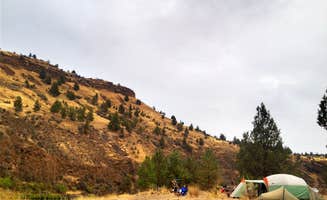
Tent camping near Kimberly, Oregon offers access to the high desert terrain of central Oregon, where elevations range from 1,800 to 4,000 feet with dramatic temperature swings between day and night. The John Day River basin features volcanic formations and fossil-rich soils, creating a unique backdrop for campers at sites that typically remain open from April through October when seasonal temperatures are most moderate.
What to do
River recreation: At Cottonwood Campground, campers enjoy direct access to the John Day River for fishing and swimming. "This is a hidden gem in the Ochoco National forest. It is pretty rustic with no water but does have 1 pit toilet that was clean but not stocked," reports Ashley B.
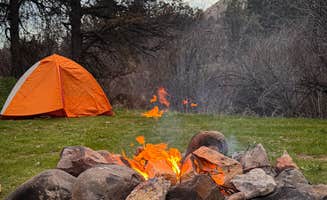
Paleontology exploration: The John Day Fossil Beds National Monument is a short drive from most area campgrounds. Burnt Ranch Road/Bridge Creek offers "great location! Really nice spots and some campfire rings as well," according to Alex C. This free camping area provides convenient access to the Painted Hills unit.
Wildlife viewing: Camp at Oregon Mine Campground to spot wild horses. "There are wild horses in this area... There is nice hiking in the area in this simple campsite in the middle of nowhere," writes Irene L. Another camper reported, "We not only saw Wild Horses, we woke up to them grazing in our camp ground!"
What campers like
River swimming spots: The John Day River provides natural swimming holes during summer months. At Priest Hole Recreation Area, "The river is gorgeous and perfect for swimming. The views through the canyon are incredible at sunset and the temp dropped significantly for comfortable sleeping!" notes Isabelle K.
Stargazing opportunities: The remote location offers exceptional night sky viewing. "Fantastic star gazing and nice quiet spot after the day traffic along the main road visiting the park have left," reports Chris T. about Burnt Ranch Road camping area.
Affordability: Most campgrounds in the area are free or low-cost. "Only $5/night, self registration. Great spot in center of John Day Fossil Beds national monument," shares james about Muleshoe Campground.
What you should know
Weather extremes: Summer heat can be intense with little natural shade. "If we had checked the forecast, we probably wouldn't have camped here. However when we arrived at 6 pm and it was 100 degrees, we were far enough off the beaten path that we decided to sweat it out," notes Isabelle K. about Priest Hole.
Limited facilities: Most sites lack potable water and have minimal amenities. "No water so boil or treat the water there... There are toilets but no water," explains Irene L. about Oregon Mine Campground. Campgrounds typically require campers to pack out all trash.
Road conditions: Access roads to some campgrounds can be challenging. At Penland Lake, "Very tight and looks difficult to get an rv in, but there was a small one parked there," according to Ashton B.
Water quality concerns: Be cautious about swimming in certain areas. At Penland Lake, one camper warned, "When we got out of the water we found leeches attached to our feet. So I would say this water isn't really meant for swimming."
Tips for camping with families
Choose sites with riverside access: Kids enjoy water play in the heat. "We had three dads and three 10 year old boys and the river provided plenty of entertainment," explains Brendon C. about Service Creek Campground.
Bring shade structures: With limited natural shade, portable shelters are essential. "Great summer camping if you have air conditioning... Great beach and great tubing the river," notes Petey C. about Priest Hole Recreation Area.
Plan for noise levels: Some campgrounds experience road noise. At Service Creek, "The highway was not far and the noise of the cars was loud.....but the view was great," reports Shawna M.
Pack insect protection: Mosquitoes can be problematic near water. At Billy Fields Forest Camp, "There was too mosquitoes for me, probably because there is a stream next to sites. It seemed clean and quiet though, the sound of stream was nice," writes Stephanie F.
Tips from RVers
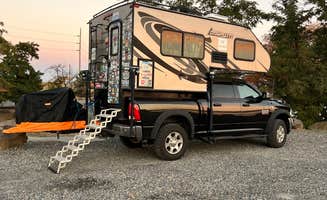
Limited space considerations: Many sites aren't designed for larger rigs. "We had trouble backing in with a 22' trailer while not hitting the guard rail, but the pull through sites are a lot farther from the river," explains Mark W. about the recently improved Priest Hole Recreation Area.
Site selection strategy: Look for pull-through options when available. "We ended up going to a pull through site and were the only people in the entire campground. We were right on the John Deere River and had a beautiful view," shares Pamela M. about Muleshoe Campground.
Road difficulty awareness: Forest roads can challenge larger vehicles. In Ochoco National Forest, "Boondocking near the Big Summit Prairie was a lot more difficult. Roads narrow and rough with hardly any place to pull off," reports Ariel & John W.





 Scout
Scout


