Island camping in the Deer Isle Archipelago offers a rustic camping experience near Searsport, Maine for experienced outdoor adventurers. The Maine Island Trail network requires specific preparation and navigational skills, as these remote camping destinations are only accessible by watercraft. Fall temperatures in this region typically range from 45-65°F, with winds often increasing in the afternoon across open water sections.
What to do
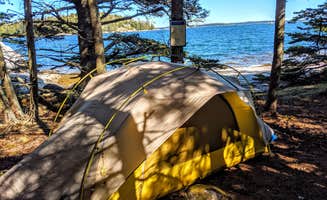
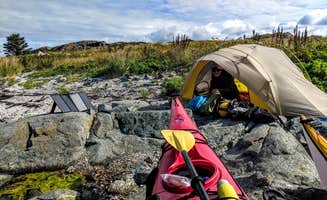
Kayak excursions: The protected waters around Buckle Island provide ideal conditions for sea kayak camping. "This is a perfect island for those new to sea kayak camping as the sandy shore, which is exposed for a good portion of the day, is easy to land on and a short walk to a trail into the woods," notes camper Shari G.
Beach exploration: The shorelines of these islands feature varied terrain from sandy coves to shell-covered beaches. The shell-covered beach at Doliver Island offers distinctive collecting opportunities, though space is extremely limited with "barely a tent space, but a good stop for us on our 9 day journey."
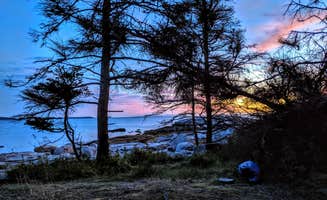
Night sky observation: Clear nights reveal exceptional celestial viewing opportunities away from light pollution. The beach areas provide open sky views for astronomy enthusiasts, particularly at campsites situated on western-facing shores.
What campers like
Strategic island hopping: Many visitors plan multi-day paddling routes between islands. "Perfect island for exploring the close-by Isle au Haut, a remote section of Acadia National Park," reports one visitor about Wheat Island, noting it serves as an alternative when "very hard to get reservations at Duck Harbor Campground."
Beach fires: Where permitted, campers appreciate evening campfires on sandy beaches. Sand Cove at Marshall Island is specifically mentioned as "perfect for a beach fire and stargazing on a clear night."
Conservation participation: Environmental stewardship opportunities exist for visitors. Marshall Island offers a unique incentive where "if you do a beach clean-up during your stay and send in a picture, you will receive a Maine Coast Heritage Trust hat!"
What you should know
MITA membership required: Access to these islands requires membership in the Maine Island Trail Association. All sites operate on a first-come, first-served basis with no reservation system.
Water crossing planning: Tide schedules significantly impact landing conditions. Multiple reviews emphasize careful timing: "This can be a tricky island to land on at high tide, so plan accordingly," notes a Doliver Island visitor.
Self-sufficient supplies: Complete water and waste management systems must be brought to these primitive sites. "Come prepared with fresh water (there is no fresh water for filtering) and wag bags (no toilets)," advises a frequent island camper.
Tips for camping with families
Site selection for space: Some islands offer multiple camping areas with varying capacities. Wheat Island contains "2 sites– one very small one on the northeast side, the other perfect for larger groups on the southwest side."
Insect protection: Seasonal mosquito activity remains significant into fall. "We thought we were passed mosquito season in early September, but alas, they were pretty bad at sunset," reports one Wheat Island visitor, suggesting appropriate repellent and netting for all family members.
Emergency planning: Weather conditions can change rapidly, requiring contingency plans for families. The closest resupply point requires paddling to Swan's Island which "has a very small grocery store and town office with fresh water."
Tips from RVers
Boat transport logistics: No RV facilities exist on these islands, but mainland departure points require overnight parking considerations. Boat ramps and marina services in the Searsport region offer varying seasonal availability.
Equipment transport: Specialized kayak or canoe carriers are essential for RVers transporting watercraft to launch points. Storage space constraints require careful packing of camping essentials that must be carried by boat to island sites.




 Legend