





Kimberly C. Guide
Guide
GuideBerry Ridge Road - Dispersed Camping
Great Spot!!
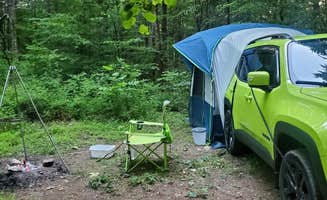
Great for car camping or tent camping. 2.2 miles of gravel dirt road. Very set off the road and private. Very leveled. Shaded by the trees. Clean. Cell service was great.
14 campgrounds · Check availability for any dates.
The Hoosier National Forest surrounding Brownstown, Indiana features numerous dispersed camping opportunities with primitive sites scattered throughout forested hills and valleys. Berry Ridge Road Dispersed Camping stands out as a highly-rated option with secluded sites spaced far apart, offering privacy and tranquility for tent and small RV camping. Other notable areas include Peninsula Trail near Lake Monroe, Hickory Ridge Primitive Campsites, and Sundance Lake Dispersed Camping. Most sites are primitive with minimal amenities, though some locations like Berry Ridge provide basic facilities such as fire rings, picnic tables, and vault toilets. Free dispersed camping near Brownstown offers authentic wilderness experiences with sites that provide excellent isolation from neighboring campers while maintaining accessibility via forest roads. The region's camping landscape is characterized by wooded settings with varying terrain and occasional water access.
"Great for car camping or tent camping. 2.2 miles of gravel dirt road. Very set off the road and private. Very leveled. Shaded by the trees. Clean. Cell service was great."
"Free camp ground. Very private. Decent sized space to park for 2-3 vehicles."
"Free disbursed camping at its best in Indiana. Not another soul camped within earshot. Clean site. Gravel pad for vehicle. Green grass for tent. 14 day limit. No reservations needed or available."
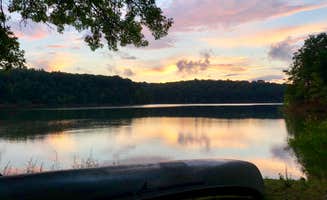
"A quiet little lake/ big pond in the Hoosier National Forest with a few spots to camp. At the pond there was a pad of concrete leftover from who knows what."
"The Peninsula Trail and Grub Ridge trails both have marked campsites that are very far apart and totally private. These are dispersed/primitive sites with a fire ring only. "
"Primitive camping at its finest. Long walk to the water so make sure you bring plenty of drinking water. Springs available in the valleys but watch for timber rattlesnakes."
"A hidden gem. Just a few sites along the road minimum traffic encountered"
"I pulled in at midnight in a sedan in the winter and i was able to safely find my way. Very nice drive during the day, hiking is fantastic!"
GuideGreat for car camping or tent camping. 2.2 miles of gravel dirt road. Very set off the road and private. Very leveled. Shaded by the trees. Clean. Cell service was great.

 Ranger
Most people, even Hoosiers don't realize the Knobstone Trail exists. It's often referred to The Little AT by those who know about it. It's no walk in the park. There are continuous ups and downs that will challenge your leg strength and footing at times. There are plenty of great places to camp along the trail. Water can become scarce in the summer/fall months, but if you walk far enough, you're likely to come by a stream of some sort. Be respectful of the leave no trace rules and if you see any dickheads out there on 4 wheelers, take their picture and report them.

 Traveler
The KT is rugged and has lots of elevation gains over short distances. Everywhere you hike there are lovely vistas and lots of fossils on the trail snd creek beds. You're never too far from water, although the quality may differ depending on the time of year.
Watch out for ticks. My dogs and I got loads of them in April 2020 from Leota to Spurgeon Hollow. There are road crossings every 5 to 10 miles, so if you run out of something or need to bail you can. The KT asks that you respect leave no trace philosophy, and I felt most hikers did.
There is occasional trail magic but don't depend on it if thru hiking. I have not stayed in any campgrounds near the trail, so I can't review those, but the trailheads all have adequate parking and signage, and I found topo maps online for free.
Let someone know your itinerary, have a means for filtering water, and enjoy!
 Scout
ScoutFree disbursed camping at its best in Indiana. Not another soul camped within earshot. Clean site. Gravel pad for vehicle. Green grass for tent. 14 day limit. No reservations needed or available. Just show up and camp if a site is open. This site was very well marked.
 Traveler
The Peninsula Trail and Grub Ridge trails both have marked campsites that are very far apart and totally private. These are dispersed/primitive sites with a fire ring only. Very remote feeling (except you CAN hear any loud cars/motorcycles at night from the main road over the lake). Light pollution is pretty low however, so good stargazing.
Trails are in good shape and the Penninsuala trail is pretty easy. Grub Ridge trail gets moderate the further west you take it. CAmpsites 10,11,12,13 are very accessible with a short hike and are fantastic spots.
Lakeside spots are great also if you hike farther, but as others have said, drunk boaters tend to stop along the shore even though they are not supposed to. A few years ago boat access was limited to non-motoroized but not sure it is being enforced very well.
All the same, the Deam Wilderness area is Indianas best for backpacking and backcountry camping.
Down tower ridge road, to the east, just past the tower - turn right and the road there has lots of drive-in sites as well. These fill up fast on the weekends.
 Guide
GuideFree camp ground. Very private. Decent sized space to park for 2-3 vehicles. Trails, plenty of dry wood, away from the roads, no running water or electricity, decent amount of spaces we came in at night and counted about 9 very far spread out camp sights. Good ground to pitch a tent to. There was other camp grounds bigger than the one we stayed at and had several people at them with a big bonfire going but what’s great is when we found our spot we couldn’t see their fire or even hear them! One thing to note is that some of the camp sites are tucked back into the trees a little and can be hard to spot. At night we thought one was open but there was actually someone there and just couldn’t see them from the road so we had to back out and go to the next site (sorry whoever that was lol). It is also a ways off the beaten path for through car camping but honestly if we were ever coming back through this way I would make the hour detour to stop here again!
TravelerNational forest area with 3ish campsites one of which can accommodate a vehicle. Wooded so no solar or starlink. Small lake nearby with what looks like some trails.
 Scout
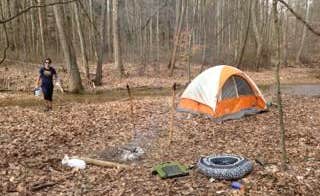
ScoutMultiple campsites in the area, I've stayed at two both of which were away from others, clean, fairly flat and had plenty of dead wood around to burn. Some sites, at least one, could fit a pretty good sized camper. This is pack in pack out, no amenities camping for free
ScoutHuge sinkhole that makes for a cool look. Dry area for tent, not big enough for a camper but cool for car camping!
Rustic camping near Brownstown, Indiana provides access to the forested hills of the Hoosier National Forest. The region contains numerous free and primitive camping sites situated between 600-800 feet elevation with seasonal streams that typically dry up from July through October. Camping regulations follow standard National Forest dispersed camping rules requiring sites to be at least 100 feet from water sources and 150 feet from trails.
Hiking with elevation changes: The Peninsula Trail offers challenging terrain for hikers seeking a workout. "It was an awesome backpacking journey for starters, little bit rough because of the horse riding track but awesome if you love to walk and see nature," reports one Peninsula Trail visitor.
Fishing access: Multiple small lakes provide opportunities for bank fishing. Sundance Lake contains bass and panfish with better catches reported during spring months. A camper at Sundance Lake Dispersed Camping notes: "A quiet little lake/big pond in the Hoosier National Forest with a few spots to camp."
Nature observation: Spring and fall offer optimal wildlife viewing conditions. Documented species include white-tailed deer, wild turkey, and various songbirds. One camper at Berry Ridge Road mentioned: "Just trees knocking, bugs curling and frogs croaking. Did see a rattlesnake dead on the road."
Separation between sites: The dispersed camping layout provides unusual privacy for Midwest camping. At Berry Ridge Road - Dispersed Camping, a camper observed: "Multiple campsites in the area, I've stayed at two both of which were away from others, clean, fairly flat and had plenty of dead wood around to burn."
Easy firewood collection: Most sites contain abundant deadfall for campfires. One reviewer noted: "No water or electric hookups plenty of wood lying around to use for a fire clean campsites all gravel roads."
Cell reception: Despite remote locations, many sites maintain usable cell service. As one camper stated: "No toilet but good reception," making these sites suitable for those needing to remain partially connected while camping.
Seasonal water concerns: Springs become unreliable during summer and early fall. At Hickory Ridge Primitive Dispersed Campsites, hikers should carry adequate water supplies from May through October. One visitor advises: "Very nice drive during the day, hiking is fantastic!"
Road conditions vary significantly: Many access roads become challenging after rainfall. "I pulled in at midnight in a sedan in the winter and i was able to safely find my way," reports one camper, though conditions worsen during wet periods.
Weekend activity fluctuations: Traffic and noise levels increase substantially Friday through Sunday. Peninsula Trail sites experience different challenges: "Light pollution is pretty low however, so good stargazing."
Wildlife awareness: Venomous snakes inhabit the area. "Springs available in the valleys but watch for timber rattlesnakes," cautions a visitor.
Designated sites recommended: Look for established sites with existing fire rings for safety. At Hickory Ridge, a camper mentions it's a "Good spot to get some quiet time to learn/hone skills or for some good quality time with the family while being plugged into nature and unplugged from their electronics."
Pack sufficient water: No reliable water sources exist at most sites. Plan for 1 gallon per person per day minimum.
Tick prevention essential: Permethrin-treated clothing recommended for April through June camping. Check children thoroughly each evening during spring months.
Consider sites near water features: Some lakeside sites provide entertainment for children. "On the peninsula trail, there are multiple campsites with fire rings but you may also camp anywhere if you are at least 100 ft from the water," notes one camper.
Small trailers only: Most roads accommodate vans and small campers but present challenges for larger vehicles. At Horse Camp Rd Dispersed, a visitor recommends: "Cool place" for smaller recreational vehicles.
Leveling equipment required: Bring blocks or levelers as most sites have uneven terrain.
Turn-around space limitations: Scout sites before pulling in with any trailer. One camper observed: "Some sites, at least one, could fit a pretty good sized camper."
Frequently Asked Questions
Which is the most popular dispersed campsite near Brownstown, IN?
According to TheDyrt.com, the most popular dispersed campground near Brownstown, IN is Berry Ridge Road - Dispersed Camping with a 4.8-star rating from 18 reviews.
What is the best site to find dispersed camping near Brownstown, IN?
TheDyrt.com has all 14 dispersed camping locations near Brownstown, IN, with real photos and reviews from campers.
Keep Exploring