Cabin camping options are available at several forest preserves within 30 miles of Forest Park, Illinois. Cook County's established campgrounds provide accessibility to the Chicago metropolitan area while offering natural settings for overnight stays. Campsites typically require reservations through respective county forest preserve websites, with weekend availability filling quickly during summer months.
What to do
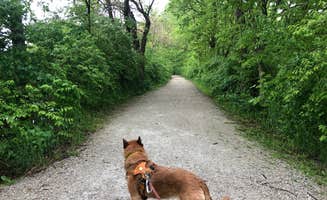
Hiking and mountain biking trails: At Blackwell Family Campground in Warrenville, visitors can access extensive trail systems directly from camp. "The trails are nice and the water is crystal clear. Nice place for a winter hike. Canoe rentals and free archery range," notes Christian V. The preserve includes varied terrain suitable for beginners and families.
Water recreation on small lakes: Silver Lake at Blackwell offers fishing opportunities for campers. "The fishing is outstanding. There are lots of places along the lake and ponds to get an easy catch and release," reports Marisa A. Boat rentals at Camp Bullfrog Lake provide affordable water access. "The kayaks are $15 an hour and include life vests. The lake is pretty small but it was fun to putter around," according to Layla P.
Climbing activities: Camp Sullivan in Oak Forest features a climbing wall in their activities barn. "There are smaller family cabins with heat available to rent as well as large bunkhouses for organized groups," explains Shane S. The facility offers supervised climbing sessions for campers looking for alternatives to hiking or biking.
What campers like
Clean facilities: Campgrounds in the Cook County system maintain well-kept bathroom facilities. At Camp Reinberg in Palatine, campers appreciate the maintenance standards. "Bathrooms and showers decent. Would definitely stay here again if outside of Chicago area," writes Nomad Nurse Z. Regular cleaning schedules keep facilities usable even during busy weekends.
Proximity to urban amenities: Located only 30 minutes from downtown Chicago, these campgrounds offer convenient access to restaurants and stores. "Just outside of Chicago, we have been staying here for quick weekend trips and absolutely love the proximity to home," shares Marc W. about Blackwell Family Campground. Sites provide urban camping options without long drives.
Wildlife viewing: Despite urban proximity, forest preserve campgrounds host diverse wildlife. "We hiked 10 miles and saw tons of animals and birds including a snake, loads of herons and songbirds, deer, a raccoon and a Cooper's Hawk," reports Hatie P. about their experience at Camp Bullfrog Lake. Morning and evening hours typically offer best viewing opportunities.
What you should know
Limited shade at some sites: Several campgrounds have newer trees that provide minimal coverage. "There is NO shade during the day. None at all due to the trees within the campground being small," Tim K. notes about Camp Bullfrog Lake. Portable canopies are recommended for summer camping at exposed sites.
Train and road noise: Proximity to transportation infrastructure means occasional noise at certain campgrounds. At Indiana Dunes State Park, campers may experience train disruptions. "The only reason I rate this park a three is that it's very close to train lines and the trains going through and blasting their horns all night long," explains Kaley A.
Gate closure timing: Forest preserve campgrounds enforce access restrictions overnight. Gates typically close at 10pm, requiring campers to plan evening activities accordingly. Some campgrounds use padlocks on gates until morning, which may limit emergency exit options.
Tips for camping with families
Scout-friendly group sites: Blackwell Family Campground offers dedicated areas for youth organizations. "Each group site has a nice cooking area and open space for tents. We had a group of about 20 kids plus moms and dads, so we grabbed three sites in the same area," explains John R. These sites include space for group activities separate from the main campground.
Playground access: Several campgrounds include play equipment near tent sites. "We were lucky once to see the equestrian area full of campers with their horses," reports Marisa A. about Paul Wolff Campground. This facility includes multiple recreation options spread throughout the property.
Pet-friendly cabin options: Families with pets can find accommodations beyond tent sites. "We camp here at least 2 times per year and have only had good experiences. Clean facilities, good hikes and good campsites (either in the woods or out of the woods)," shares Dane S. about Camp Sullivan. Note that while pets are allowed on campground property, some cabins may restrict pets indoors.
Tips from RVers
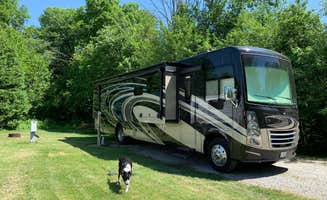
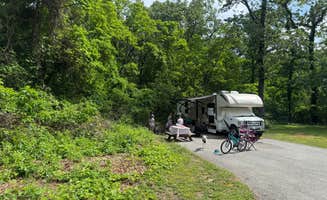
Electric hookup locations: RV sites at Cook County campgrounds typically offer 30-amp service. "Sites are level and clean and they have modern bathrooms," notes Marc W. Most RV sites include water access points, though not always at individual sites.
Dump station availability: Sanitary facilities for RVs are limited at some locations. "The only down side of the park is that it is only open on the weekends. On holiday weekends you are able to stay for three nights," explains Rich M. about Blackwell Family Campground. Weekend-only operation affects service availability at certain locations.
Site surface variations: Some campgrounds feature paved pads while others use gravel or mulch. "All sites have electric and the camp hosts will pull the hose over to the site in order to do a water fill up. This makes it very convenient to refill," explains Susan L. about Camp Reinberg. Level sites are generally available, though corner locations may require additional adjustment.











 Scout
Scout


