Dispersed camping near Fairburn, Georgia consists primarily of wildlife management areas with minimal infrastructure. Located within Georgia's Piedmont region, these camping options sit at elevations between 700-1,000 feet, characterized by rolling hills and mixed hardwood forests. Winter temperatures can drop below freezing, while summer nights typically remain above 65°F, requiring appropriate seasonal gear for comfortable overnight stays.
What to do
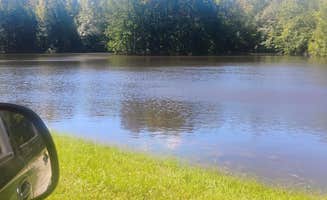
Fishing opportunities: Joe Kurz Wildlife Management Area features a small pond stocked with fish where campers can enjoy recreational fishing. "Really quiet and the pond is full of fish," notes one visitor to Joe Kurz Wildlife Management Area. A Georgia fishing license is required for anyone 16 years or older.
Wildlife observation: The management areas around Fairburn serve as habitats for white-tailed deer, wild turkey, and numerous bird species. Bring binoculars and a field guide during spring and fall migrations for optimal birdwatching opportunities.
Hiking trails: Several unmarked trails wind through the public lands near Fairburn, providing opportunities for day hikes. Trails range from easy 1-mile loops to more challenging 5-mile routes with moderate elevation changes, requiring sturdy footwear and water.
What campers like
Natural isolation: The remote nature of camping areas creates a peaceful experience away from crowds. "No cell coverage, has fire pit, mostly tent and car campers," shares Lenear B. about their stay at Joe Kurz WMA, highlighting the disconnected nature that appeals to many visitors.
Dark skies: The lack of light pollution in wildlife management areas creates excellent stargazing conditions. On clear nights, the Milky Way is visible to the naked eye, with peak viewing during new moon phases between May and September.
Accessible locations: Despite their rustic nature, most camping areas remain within reasonable driving distance from Fairburn. Concord Hunt Camp provides a drive-in access option for those seeking a quick weekend getaway while still experiencing a primitive camping setting.
What you should know
License requirements: Access to most dispersed camping areas requires proper documentation. Lonnie B. notes about Joe Kurz Wildlife Management Area, "Ahead of my trip to Joe Kurz Wildlife Management Area, I've gathered crucial details for anyone looking to explore this serene destination. Important to note is the requirement for a valid Georgia hunting or fishing license to camp."
Seasonal considerations: Hunting seasons significantly affect camping availability and safety. During fall and spring turkey seasons and the November-January deer season, some areas have restricted access or increased hunter presence. Wear bright orange clothing if camping during these periods.
Limited amenities: Public lands near Fairburn lack developed facilities. There are no water sources, toilets, or trash service at most sites. Campers must pack in all supplies, including drinking water (minimum 1 gallon per person per day), and pack out all waste.
Tips for camping with families
Safety preparations: When camping with children in wildlife management areas, bring a basic first aid kit and establish clear boundaries around the campsite. The nearest medical facilities may be 30-45 minutes away by car.
Educational opportunities: Use the camping trip as a learning experience about Georgia's ecosystems. Bring field guides to identify local flora and fauna, and consider visiting during spring when wildflowers are blooming.
Activity planning: Pack games and activities that don't require electronic devices. Card games, nature scavenger hunts, and stargazing guides help keep children engaged in the absence of traditional campground amenities.
Tips from RVers
Size limitations: Most dispersed camping areas near Fairburn have limited space for larger vehicles. While small travel trailers can access some sites, class A motorhomes and fifth wheels are generally not recommended due to narrow access roads and limited turning radius.
Self-containment: With no hookups or dump stations available, RVers must be fully self-contained. Bring adequate fresh water, ensure propane tanks are filled, and plan for battery power conservation with solar panels or generators where permitted.
Ground conditions: Access roads can become muddy and difficult to navigate after rain. Check weather forecasts before arrival and consider postponing trips with heavy precipitation to avoid getting stuck, as towing services may be limited in remote areas.




 Guide
Guide


