Tent camping along the Suwannee River waterway provides access to a unique ecological system where limestone caves and freshwater springs connect to the river's flow. The region maintains a subtropical climate with summer temperatures averaging 90°F and winter lows rarely dropping below 40°F. During high water periods typically occurring between December and April, access points may require alternative routes as water levels can rise several feet above normal.
What to do
Swimming in springs: Lafayette Blue Springs State Park offers crystal-clear 72-degree spring water for swimming year-round. According to a recent camper, "Loved this primitive tent camping site. The sites are under the most beautiful live oaks and swimming in crystal clear spring water just steps away."
Cave diving exploration: Peacock Slough River Camp attracts experienced cave divers from around the world. "The extensive submerged cave system is one of the most beautiful attracting divers from around the world," notes one visitor. The adjoining Peacock Springs State Park provides additional diving access points.
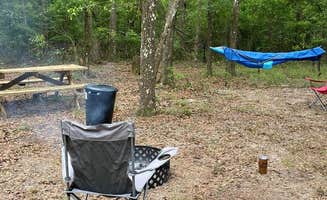
Bicycling and games: Campsites like Bowman's Landing provide recreational equipment for campers. "My son's favorite part was riding around on the provided bicycles and playing darts & cornhole by the communal fire pit," shares one family camper. Many river camps also feature hiking trails through surrounding forest areas.
Paddling between camps: The river camp system facilitates multi-day paddling trips. "We did a 65 mile paddle on the Suwannee River and stayed at two river camps and a campsite! We loved all the spots," reports one adventurous paddler who completed an extended journey.
What campers like
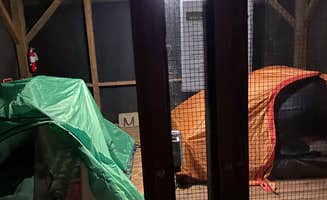
Screened sleeping platforms: Holton Creek River Camp offers sheltered sleeping areas with electrical amenities. "The platforms are amazing. Power, fire ring, and running water. Hot showers also," notes one satisfied camper. These platforms typically accommodate 6-8 people each.
Equipment transportation assistance: Woods Ferry River Camp provides helpful transport tools for gear. One camper explains, "The campsite has wheelbarrows to help you lug all of your gear to the top." This feature proves especially valuable after long paddling days when energy reserves run low.
Privacy between sites: Dowling Park River Camp offers well-spaced camping areas. "Decent amount of privacy between sites," mentions a visitor, though they note they "were the only ones there at the end of December!" Winter months typically see lower visitor numbers across all river camps.
Clean facilities: Adams Tract maintains comfortable amenities despite its remote location. "Tent camping is available but each camp has 5 screen sleeping pavilions as well. All have electric, ceiling fans, corner tables and hooks for hammocks," reports one regular visitor who appreciates the comfort level provided.
What you should know
River-only access: Most river camps cannot be reached by vehicle. One camper at Woods Ferry River Camp learned this the hard way: "Would have been great to know this is NOT accessible via a vehicle." Always check access requirements before planning your trip.
Wildlife encounters: Secure food and equipment due to active wildlife. A regular camper notes, "Always take paddles, PFD's, fishing equipment, food items and valuables to your camping area - do not leave in boats. There are raccoons and other nocturnal creatures and an occasional bear passing through."
Water level impacts: Rising water can affect camping areas and access points. During high water, "this ramp can be tricky to unload from in a strong current (we have seen it with no beach visible)," warns an experienced Suwannee paddler.
Host services vary: Camp hosts may offer supplies for purchase. "Camp hosts were wonderful and had ice as well as firewood available 'for donation'," reports one visitor, though availability varies by location and season.
Tips for camping with families
Pack bug protection: Insect activity increases during warmer months. One regular visitor advises, "Make sure you have some bug spray for evenings in summer months," while noting that "wintertime is fantastic here as the bugs are at bay."
Utilize communal areas: Many camps feature shared spaces for group activities. "There is a large pavilion with picnic tables and electricity available for use with a large fire pit and grills," describes a visitor to Woods Ferry.
Consider handicap accessibility needs: Lafayette Blue Springs State Park offers accessible facilities. A camper notes the park is "handicap friendly" with some pavilions specifically designed for easier access, including "one handicap accessible one" with ground-level entry.
Plan for weather challenges: Severe weather can disrupt camping plans. One paddler recounted, "There was a terrible storm front that came through and we did not get to finish our trip and outfitter was able to pick us up at this location."
Tips from RVers
Seek out overlanding spots: For vehicle-based camping with more privacy, Big Camp Hunt Camp provides alternatives to river camps. "Nice and secluded, great for overlanders. Only downfall is the mosquitos," reports one camper who preferred this drive-in option.
Coordinate with outfitters: Local outfitters can assist with logistics and reservations. "Our outfitter American Canoe Adventures makes our reservations for us," explains a regular visitor, noting that "outfitters have road access to help with deliveries of gear and supplies."
Consider seasonal timing: Plan trips during optimal weather windows. "River Level was at 52 making it easy to get out of kayak on a small sandy area under ramp," notes one paddler, highlighting how water conditions can significantly impact the tent camping experience in Suwannee, Florida.






 Legend


