Dispersed camping near Inverness, Florida offers primitive sites located in the subtropical climate zone, with average summer temperatures reaching 90°F and winter lows rarely dropping below 40°F. The sandy soil conditions throughout the region create challenging driving situations for non-4WD vehicles. Most camping areas sit at elevations between 40-75 feet above sea level, creating minimal elevation changes but numerous wetland environments.
What to do
Wildlife observation opportunities: Upper Hillsborough Water Management Area provides excellent bird watching with several cleared viewing areas. "We were the only ones there for the weekend, probably because of the summer heat. However, it was nice and free," reports SukiDookie.
Water activities: Lake Dorr offers fishing and paddling opportunities during daylight hours. Local regulations require proper fishing licenses. "Attempted to stay at this campground but left because it felt unsafe. Spoke to a local that warned of violence, robbery, and killings in this area of the national forest," cautions Michael S..
Hiking trails: Several unmarked hiking paths connect camping areas to water features. At Trout Lake Primitive Sites, trails provide access to lakefront areas. "Very narrow trails but really easy access, you will leave with some new pinstripes," notes Joe P..
What campers like
Solitude: The remote nature of these sites guarantees privacy. "I started panicking and trying to find a turn around after going through a very soft sandy spot. Figured I'd never be able to get out or reverse. Then the lake appeared and someone left some firewood so I figured better pitch my tent fast before dark," shares Laurence A. about Trout Lake.
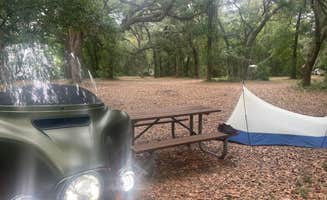
Cost efficiency: Most dispersed camping areas near Inverness are free or low-cost. "Large open area with great shade trees, no water, privy. Easy pull through for RV. Tent spots. Fire rings. Harley-Davidson approved. Golden Coral buffet in town," writes Scott O..
Natural features: Blue Sink offers unique geological formations. "Most beautiful place to stumble upon. You may need ATV or creative backpacking to get there now," explains Destiny R..
What you should know
Safety concerns: Some camping areas have reported security issues. Check with local ranger stations before selecting remote sites. Lake Dorr has specific safety warnings from visitors.
Access limitations: Many roads to campsites have challenging terrain. "State maintained park with dispersed sites including picnic tables and fire rings!" notes Just J. about Upper Hillsborough, which has better maintained access roads than most.
Waste management: No trash receptacles exist at most sites. Pack out all garbage. "The grounds were nicely maintained, though. I do wish the fire rings weren't so damaged, and the lack of trash cans was surprising. Just take your trash with you, leave no trace," advises SukiDookie.
Seasonal considerations: Summer months bring intense heat, humidity, and insects. Winter offers more comfortable temperatures but possible nighttime temperature drops requiring warmer sleeping gear.
Tips for camping with families
Site selection: Choose larger clearings that provide space for multiple tents and activities. "Didn't find the Main Camping area. Parked in one of the side roads. Didn't run into anyone eventhough permit page indicated Booked out," reports Nina O..
Wildlife preparation: Bring proper food storage containers to prevent attracting wildlife. Bears are present in the Ocala National Forest. "I was scared to death all night alone, I had a black bear sighting that afternoon and I had no bear spray no cellphone service but all there was was whispering pines!" recounts Laurence A.
Water supplies: No potable water exists at these sites. Families should bring 1-2 gallons per person per day, with additional water for cleaning and hygiene.
Tips from RVers
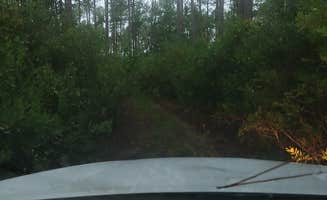
Vehicle clearance: Most dispersed camping access roads have low-hanging branches and narrow passages. "Just barely scraped a FWD Promaster through the trees, into a pullout just before sand started. Poor cell service even with booster," warns Entropical Breeze E..
Ground conditions: Sand traps are common on access roads. Four-wheel drive is strongly recommended for most sites. Bring recovery gear including traction boards.
Campsite organization: With no designated RV pads, select level areas away from potential water runoff channels. Bring leveling blocks and stabilization equipment.




 Guide
Guide


