Equestrian camping near DeLand, Florida provides access to the region's diverse ecosystems spanning pine flatwoods, hardwood hammocks, and freshwater marshes. The area maintains year-round camping conditions with temperatures averaging 70-90°F in summer and 50-70°F in winter, making spring and fall ideal for horse-based exploration. Seasonal considerations include higher humidity from June through September when afternoon thunderstorms commonly occur.
What to do
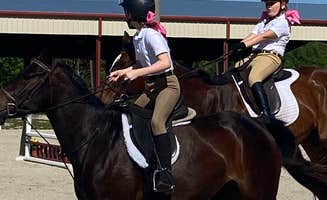
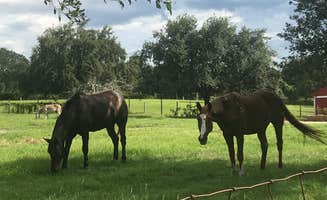
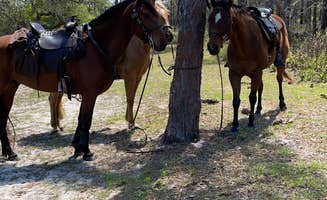
Trail riding through native ecosystems: Lake George Conservation Area offers primitive camping sites in a natural setting where trail riders can experience authentic Florida wilderness. "I've seen several whitetail deer, sandhill cranes, lots of other birds, quail, and some turkeys while hiking. I also saw a black bear up a tree in the marsh," notes Tracy L H., who appreciates the preserve's "Old Florida" character.
Swimming at natural springs: Wekiwa Springs State Park Campground provides riders and non-riders alike access to refreshing 72-degree spring waters after a day on horseback. "The springs are amazing! Really nice campground with all the amenities, showers, water, and power hookups," reports Zackari S., who recommends booking well in advance as primitive sites fill quickly.
Kayaking alongside trail systems: Many equestrian camping areas connect to waterways where non-riding companions can paddle. "We were easily able to roll our Kayaks to Dixie lake from our campsite," explains Travyl Couple about their stay at Lake Louisa State Park Campground, which they describe as a "Trifecta park, meaning we can hike, bike and kayak."
What campers like
Spacious sites for horse trailers: Equestrian-specific facilities provide the extra space needed for trailers and equipment. "Nice sized sites with a cement pad, picnic table, grill and trash can per site. Nice gravel drive for the RV. There are horse events, fun to watch," reports Lisa C. about Clarcona Horse Park.
Variety of trail terrain: Riders appreciate diverse landscapes within a single preserve system. "Sawgrass Island Preserve is a unique piece of property... I like to go across the causeway and down the Bog Button Trail and over to the Hammock Trail and along the Cactus Trail and down around the ponds," says Tracy, describing the five-mile route with varied scenery.
Clean facilities despite rustic settings: Even at more primitive sites, bathroom facilities receive attention. "The bathrooms were clean and fairly well-maintained," notes Kelsey G. about Bill Frederick Park at Turkey Lake, adding that "this park offers every recreation in the book: boating, fishing, biking, hiking, frisbee golf, wildlife watching."
What you should know
Reservation requirements vary by location: Some equestrian facilities require substantial advance booking. "Book well in advance," advises Hannah S. about Wekiwa Springs, noting that "if you go on a weekend, make sure you go EARLY! Line of car starts around 9am and park will close at capacity."
Water access limitations: Not all equestrian sites provide drinking water. "There is no water available at any of the campsites," Tracy warns about Sawgrass Island Preserve, while Disney's Fort Wilderness Resort & Campground offers full hook-ups but with different challenges: "There is not a lot of room in the loops to pull your rv into the spot," according to Samantha O.
Seasonal crowds affect experience: Florida's peak tourist season impacts equestrian facilities. "Nice sites. Trails are fun. Springs are great but crowded especially on weekends," observes Robyn L. about Wekiwa Springs State Park, indicating that weekday visits provide a more serene experience.
Tips for camping with families
Look for parks with diverse activities: Choose locations where non-riders have plenty of options. "Wekiwa was an amazing place to camp and spend our weekend. The park offers hiking, biking, day swimming, a food grill, a canoe/kayak launch and rental, plus tons of wildlife!" says Jenn B.
Check for accessibility features: Some parks provide specialized amenities for visitors with mobility needs. "Being handicapped, the springs were a mile from the campground, which is a problem for people having difficulty walking. My husband pushed me there in the wheelchair. Once we got there, Jane, one of the park rangers informed us about the ramp for wheelchairs, and a lift into the water!" shares Lauren W. about her experience at Wekiwa Springs.
Consider cabin options: For mixed groups of riders and non-riders, parks with cabins offer comfort. "Opted for the cabin option during our stay at Lake Louisa and we were very happy with the choice. Cabin was fully furnished and very clean," says Sara S., noting that "there was a lot of indoor and outdoor eating space."
Tips from RVers
Pay attention to site dimensions: Horse trailer combinations require careful site selection. "There is plenty of room between your RV and your neighbor next to you but not a lot of room across from your spot. We have a 27' RV that is 33' from top to top. Holy moly did it take a lot to get this into our spot," explains Samantha O. about Fort Wilderness.
Weather preparation is essential: Florida's climate requires specific RV setup considerations. "We camped for three nights and loved it! Yes it rained most of the time but our site never flooded!!" reports Caitlyn P., highlighting the importance of proper site drainage at Wekiwa Springs State Park.
Verify WiFi availability: Connectivity varies widely between equestrian facilities. "No WiFi but the restrooms were clean, they have a bar if needed. Nice flat spots for my pop up," notes Tom H. about Encore Bulow RV, a campground within reach of equestrian trails.




 Traveler


