Horse campgrounds near Houston, Delaware offer limited dedicated equestrian facilities. The closest option is about 11 miles away at Tuckahoe State Park, which maintains trails open to horseback riding. For those willing to travel further, Assateague Island National Seashore provides opportunities for camping with horses approximately 50 miles south, though these sites lack permanent corral structures.
What to do
Trail riding at Tuckahoe State Park: Located about 11 miles from Houston, the park offers 20 miles of multi-use trails open to horses. "Nice spread out camp sites with power hookup," notes Perry A. about Tuckahoe State Park Campground, which serves as a good base for day rides.
Kayaking with horses in view: At Assateague, riders can enjoy views of both domesticated and wild horses while paddling. "The kayaking was awesome among the bald cypress trees," shares a visitor about excursions near Trap Pond State Park Campground, which is closer to Houston and makes a good day trip before heading to horse areas.
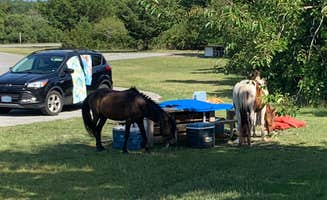
Beach riding opportunities: For those traveling with horses to Assateague, the ocean beaches provide unique riding experiences. "Plenty of places to explore. Several trails to walk or bike," writes Tony P. about the overall terrain, adding that "The Ponies are giant trash pandas. They're smart and can open latches."
What campers like
Wildlife encounters: Horse campers appreciate the interactions with local wildlife. At Bayside Assateague Campground, one camper shares, "A deer hung out by the campfire at night, and in the morning there were horse tracks all over the sight," showing the proximity of wildlife to camping areas.
Spacious sites for trailers: When traveling with horses, adequate space becomes essential. "Sites are fairly spacious and have an interesting semi-circle pull through layout so backing in not required," explains Jim G. about sites at Trap Pond State Park, which can accommodate moderate-sized trailers.
Water access for cooling horses: Many equestrians appreciate water access for their horses after rides. Near Delaware Seashore State Park Campground, "we like the bay side for the kids no waves," mentions Rich E., indicating calmer waters that could be suitable for horses to cool off when day riding nearby.
What you should know
Seasonal insect concerns: When camping with horses, insect protection becomes critical. "Love this place but be prepared for the bugs. Even enjoyed this in the winter," warns Michael W. about Oceanside Assateague Campground, where flies and mosquitoes can affect both humans and horses.
Permitting requirements: Horse camping requires proper documentation. Most equestrian sites require advance reservations and specific horse camping permits, particularly during peak seasons from May through September.
Manure management protocols: All horse camping areas enforce strict manure management rules. Bring appropriate tools for collection and disposal of waste according to each site's regulations to avoid fines.
Tips for camping with families
Horse-safe playgrounds: Several campgrounds offer play areas that are separate from equestrian zones. "If you have kiddos, try and get a site in Loop A – there is a nice and educational play area," recommends Lee D. about Tuckahoe State Park.
Educational opportunities: Family horse camping provides learning experiences. "The park has a Bird Aviary that houses those that cannot be fully healed," notes Bill G. about Martinak State Park Campground, adding "We tend to use Tuckahoe as a way station while camping our way up and down the Bay."
Horse containment around children: When camping with horses and children, proper containment systems are essential. Portable corrals or high-line systems are required at most sites since permanent structures are typically unavailable.
Tips from RVers
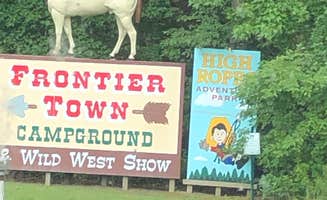
Trailer parking considerations: Horse trailers with living quarters require specific site selection. "The sites were awesome. Clean shower houses all day long," reports Jason J. about Frontier Town RV Resort, which accommodates larger rigs.
Water and electrical needs: Horse camping with RVs requires planning for utilities. "Sites have 30A electric and water with a nearby convenient dump station," mentions Jim G., noting the available hookups that can support horse-camping equipment like water tanks and fans.
Level site importance: For horse trailers with living quarters, level sites are essential. "All sites appeared level and some have a view of the pond," observes a camper, noting that stable parking is critical when horses are tied to trailers during overnight stays.




 Guide
Guide


