Tent camping near South Willington, Connecticut offers several primitive options with varying levels of isolation and access methods. The region sits within the gently rolling hills of Tolland County, with elevations ranging from 250-600 feet above sea level. Connecticut's humid continental climate brings warm summers with occasional thunderstorms and mild winters, creating a roughly 180-day camping season from late April through October.
What to do
Paddle to island campsites: Selden Neck State Park requires a 20-minute kayak trip across the Connecticut River. "You have to kayak or boat in. There's a boat launch across from the island on the west side of the river at Deep River Landing where you can leave your car," notes Jason S., who adds that "at low tide, a couple of beaches emerge to play on."
Fishing opportunities: Many campgrounds offer direct water access for fishing. At Gillette Castle State Park Campground, Jackie G. reports, "You can swim and fish and relax all day!" The Connecticut River contains numerous species including smallmouth bass, northern pike, and channel catfish.
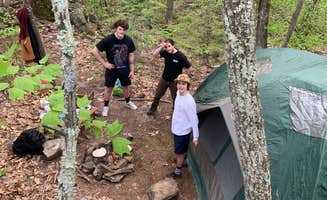
Learn camping basics: For novice campers, Onion Mountain Park provides an accessible introduction to tent camping skills. Marshall S. explains, "My BSA troop has been going here for years to help new scouts learn to camp. It is a very casual site and good for your first trip, you are close to your car and the road in case you need it."
What campers like
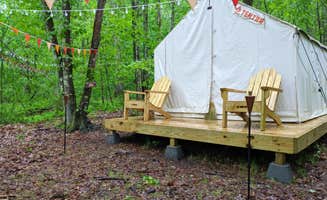
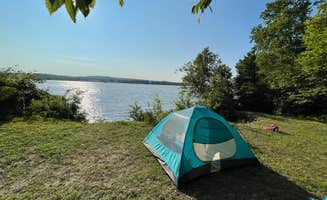
Riverside views: The Connecticut River provides a scenic backdrop for many local camping experiences. At Chapman Pond Preserve, Ben L. appreciates the "Good tent platforms, picnic tables and outhouse. CT river within view."
Rustic isolation: Many sites offer genuine wilderness experiences without modern amenities. Ricky H. found "Very peaceful overnight camping" at Onion Mountain Park, noting it operates on a "first come first served basis" with small, primitive sites.
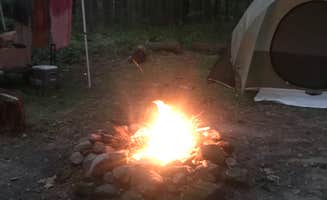
Campfire opportunities: Most sites permit campfires, enhancing the traditional camping experience. Nora S. reports that at Onion Mountain Park, starting a fire is "very easy as there are sticks and wood everywhere." Many established sites include fire rings or pits.
What you should know
Limited facilities: Most tent sites require self-sufficiency. At Buck Hill Campground, Greg R. describes it as "a great rural no frills campground" with "a few rough restrooms and some porta-potties" where you should "don't expect much else."
Access challenges: Some campgrounds require effort to reach. As Nora S. notes about Onion Mountain Park: "it is classified as a walk-in but it's definitely more of a hike. We ended up finding a very primitive spot off the blue trail (on top of the mountain)."
Weather considerations: Fog can delay morning departures from river sites. Jason S. experienced this at Selden Neck State Park Campground: "In the morning, we were completely socked in with fog which would have been an issue if we had to get back early. But it burned off before long."
Tips for camping with families
River beaches: Low tide reveals play areas at some riverside campgrounds. At Selden Neck, Jason S. successfully camped with his "5-year-old" and enjoyed how "at low tide, a couple of beaches emerge to play on."
Shelter options: When tent camping with children, covered areas provide weather protection. Buck Hill Campground offers practicality as Greg R. notes: "A few of the clusters have a covered patio area with electricity."







 Legend


