








 Ranger
Tomahawk Campground
Ranger Review: GCI Outdoor Pod Rocker with SunShade camp chair at Tomahawk Primitive Campground
Campground Review:
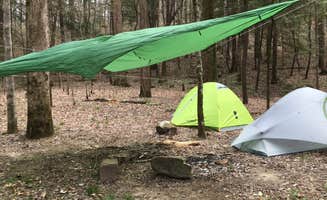
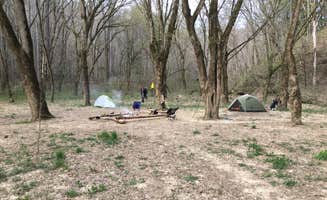
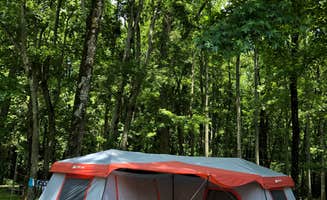
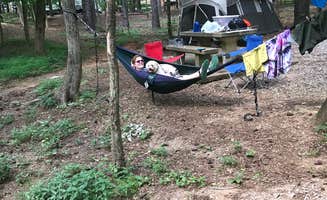
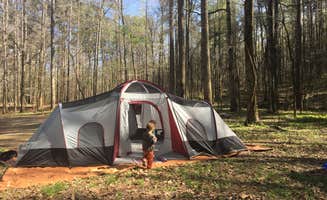
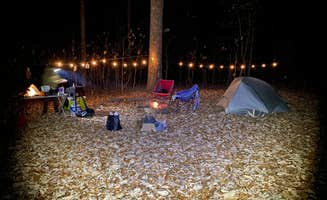
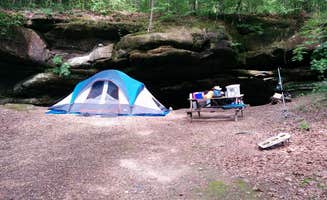
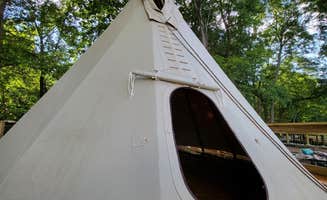
Tomahawk Primitive Campground is located near Cullman, AL right off of Highway 278. The campground is primitive, and has no electricity or water pumps or hookups at the individual sites, but there is a common room area attached to the back of the owner’s house that has a clean bathroom, a coffee maker, and electricity. There are 3 campsites with fire rings as well as a large, open field at the main campground area, and additional sites by the creek, about a 10 minute walk from the main area. The trail to the creek-side sites was partially cleared, but there were a few fallen trees blocking the path that could make it difficult to carry gear to those sites. My husband, puppy and I stayed at one of the tent sites in the main campground area. If you are staying in a tent, I highly recommend air mattresses for this camp. While the ground has been somewhat cleared, there are still large stocks sticking one or 2 inches out of the ground that would make sleeping without an air mattress very uncomfortable. However, the bigger issue making sleep difficult for us was the road noise from the highway, which stayed busy throughout the night. I assume that if you are in a camper you won’t notice it as much, but in a tent it made us feel like we were camping on the side of the highway and not at a camp. Another problem that we ran into, unfortunately after we set up camp, is that our site had a ton of fire ants. I’m not sure if this is a problem at all of the tent sites or if it was just ours, but I advise caution when choosing your site and where you set up your tent. Our favorite part of this campground was the creek. It was beautiful and clear, perfect for our dog to play in, and had good locations to set up a hammock and enjoy the peaceful creek sounds. If we were to stay at this camp again, we would bring gear that could be hauled to the creek-side campsites.
Gear Review: GCI Outdoor Pod Rocker with Sunshade
As a Ranger for the Dyrt, I sometimes get gear to review on my camping trips. For this trip I got the GCI Pod Rocker with Sunshade camp chair. I LOVE this chair, and so did my husband and dog. The chair comes in a durable carrying case, which is great because I’ve had many camp chair bags fall apart after just a few uses. The chair was a little confusing to set up/take down at first, until I realized that easy-to-follow instructions are attached to the bag. The chair is larger than most camp chairs and provides more support. The sunshade is adjustable and can be moved in several positions as well as completely collapsed. The only complaint that we had about the Pod Rocker is that the included cup holder is a pouch that doesn’t seem like it would actually prevent your drink from spilling. For me, the benefit of having a camp rocking chair far outweighs this one detractor. This chair was wonderful for camping but would also be perfect for outdoor sporting events and concerts. I highly recommend the GCI Pod Rocker with Sunshade! Here is the link for the GCI Pod Rocker with SunShade: https://www.gcioutdoor.com/rockers/pod-rocker-with-sunshade/


