









J
Jan V. Scout
Scout
ScoutYellow Circle Crossing
Unreachable
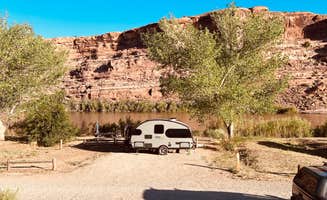
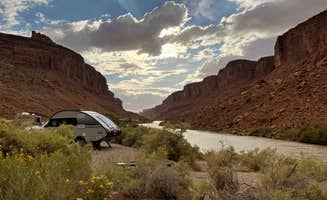
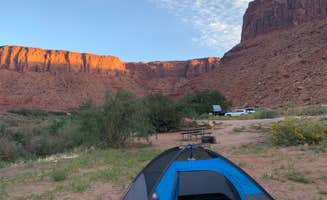
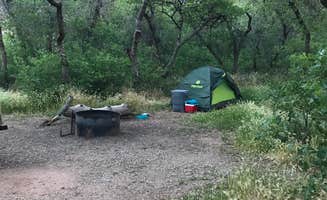
Road is terrible. 2.5 miles off road to find out the entrance is a wasteland.
Devils Garden Campground is the only campground inside Arches National Park. It has 51 sites, books through recreation.gov, and reservations open 6 months before arrival. Spring and fall dates sell out within hours of the booking window opening.
Moab is about 7 miles from the park entrance and has the densest cluster of developed and private campgrounds in the area. Those campgrounds serve as the realistic base for most visitors who miss the Devils Garden lottery. Moab-area campgrounds cover the full range of private, state-managed, and BLM options close to the entrance. BLM land surrounding the park on multiple sides has dispersed camping with no fees and no reservations. Arches-area dispersed sites detail road access and what to expect on-site.
Canyonlands National Park is about 26 miles from Arches, making the Moab area work as a base for both parks. No-fee camping outside Canyonlands is another option for campers doing both parks in one trip. Summers run hot, so plan hikes for early morning before temperatures climb past 100 degrees.
Compare 2 top campgrounds at a time to find your favorite!


Round 1 of 5
$25 - $250 / night
"This is the only campground in Arches National park. There are 50 campsites but it fills up so reserve online if you can. There are some low trees to give you some shade during the day."
"Beautiful campground in Arches National Park. I believe it is the only campground in Arches National Park and the scenery is gorgeous. All of the sites look nice but I liked site 21 and 18."
$30 - $50 / night
"Close to Arches national park - less than 5 miles. 12 miles to downtown Moab. Porta potties no other amenities."
"This has great proximity to arches national park. The price is a bit steep at 50+ dollars. My spot was pull through which is nice. There are two dump stations on way out."
$66 - $161 / night
"Arches national park is a 10 minute drive. Absolutely loved it!"
"Road noise was loud, but it was beneficial to us to be so close to Arches National Park."
$30 / night
"There are no facilities toilets showers Etc but there are great views and close to Arches National Park. I would recommend and I will go back! What else can you ask for on top of being free"
"Some of the side roads definitely require 4x4 and high clearance to drive. We found an amazing site overlooking Arches National Park in the distance."
"The Sun Outdoors Moab Utah camp grounds was great. Beautiful trees in the fall, laundry, clean showers, hookups, easy walk to downtown places, yet still quiet. Staff were very friendly and helpful."
"This is a great little campground with easy access to downtown Moab. Walk to all the local amenities and downtown attractions."
"Its really close to the entrance for arches National park. The only con is lack of cover from wind and sun"
"Low clearance vehicles can access sights closer to highway. Lots of camping spots tucked away if you continue down the road. Cattle around but bothersome. gorgeous red rock!"
"Arrived around 13 and there were still a few spots left. A lot of people left disappointed after 16 though. Great place to stay and we enjoyed the most amazing sunrise. Close to arches national park."
"Minimal shade but a nice spot by the river on the edge of arches NP. Was very hot while we were there and pit toilets got very smelly. Great access to trails around. Fcfs site midweek no problem"
"Pretty much just flat land surrounded by a primitive fence. No porta potty when I was there. It’s far enough away from the highway that cars aren’t bothersome."
"close to highway, quiet at night
- 15 minute drive to Moab/services
- less than 10 minutes to Arches/Canyonlands entrances/turnoffs
- no plant/tree cover for 🚽
- not many private sites but sites"
"Entering Moab we found a great fit in SlickRock Campground, just a 3 mile drive from Arches National Park, it was a perfect stop for the night."
"Very close to Arches National Park. Unfortunately, too expensive"
"The one I stayed at offered a huge expanse stretching out to the mountains in the distance. The view was incredible and the stars were stunning. Great privacy between sites."
"Moab was a last minute addition to our Colorado camping trip and I am SO glad we added this Utah gem in. Right by Arches National Park, the scenery is breathtaking."
ScoutRoad is terrible. 2.5 miles off road to find out the entrance is a wasteland.
 Traveler
This was on our way to Canyonlands and Arches after major rains the past few days…easy to find, roads not bad for any 4WD, restrooms in each loop, first come first serve basis with a self designated site kiosk at the entry! Beautifully laid out and peace of mind! Firepits and picnic tables and most spots are separated with beautiful trees and shrubs! Nice views and ok cell service.

 Guide
GuideAn amazing place with great views from almost every spot. Quite each night. It is at the very end of the Arches drive which in some ways is great. The sites have pretty level concrete pads (they run a little down hill but not a big deal). Great separation for other sites
ScoutBeautiful location! Close to the National Parks. Potable water down the road at Lions Park (take a small hose). Light traffic at night but the sound of the river drowns it out. You can pay by credit card now too!!
TravelerOne of the best state parks I've ever seen
TravelerPeaceful with incredible views
TravelerSolid campground but the highlight is the visitor center
 Legend
Great dispersed spot outside Moab. Close to trails for UTV, bikes and jeeps. It was a bit rough the first mile. Could be quite sloppy in wet weather. Beautiful views and quiet. No amenities- truly dispersed. There were a few other campers on the Monday night we stopped but can definitely count on it being busier weekends and holidays.
 Traveler
Beautiful spots with great views. The road in is very rough and driving slow is a must.
Arches National Park camping accommodations range from primitive sites to established campgrounds at elevations between 4,000-5,000 feet, where temperatures can fluctuate by 30°F between day and night. The desert environment features sandy soil with limited natural shade, and afternoon winds frequently pick up from April through June, making proper tent staking essential.
Morning hiking trails: Access the Devils Garden Campground hiking paths directly from your campsite. "The best part about this simple campground is that hiking paths to several arches are a convenient walk from camp. This made exploring easy. Sunset on the red rocks was a gorgeous view from camp," noted one visitor to Devils Garden.
Dinosaur track hunting: Near Willow Springs Trail, you can find fascinating prehistoric evidence. "The kids loved climbing the rocks and bonus there is a trail with dinosaur tracks!" shared a family who camped at Willow Springs Trail during Jeep safari season.
Night sky observation: The minimal light pollution at most area campgrounds creates ideal stargazing conditions. One camper at Sovereign Lands reported: "OMG the stars. Can't wait to go back. It was active, but we just grabbed the first spot we found. Perfect place to set up shop for the night."
River access: Sites along Highway 128 provide quick water entry. At Grandstaff Campground, "a quiet campsite tucked in along the Colorado River under the cliffs of Moab, this is literally my fav place I have ever camped. The vaulted toilets were clean and the campsites well maintained."
Proximity to trailheads: Mountain bikers appreciate camps with direct trail access. A visitor to Sand Flats Recreation Area shared: "This campground's location is unbeatable if you're here to bike, hike, or off-road, with trails starting right from your campsite. The simple facilities, including vault toilets and picnic tables, are well-maintained."
Secure walkable areas: Many families value having protected spaces to explore. "Our caravan had 3 campers and 15 people, plenty of space even with it being Jeep safari and spring break. The kids loved climbing the rocks," commented a group staying at Willow Springs Trail.
Fire restrictions: Many campgrounds implement seasonal fire bans. At Devils Garden, "Be aware that there are sometimes firebans during the summer," cautioned one camper. Always check current restrictions before arrival.
Arrival timing: Sites fill quickly during peak seasons. "If you can snag a spot... look out, fantastic most scenic camp ever!" noted a visitor to Grandstaff Campground. Most first-come, first-served campgrounds benefit from mid-week or early afternoon arrivals.
Road conditions: Access to dispersed camping requires appropriate vehicles. At South Klondike Bluffs, "Go SLOW if you're driving a rig. Wild bumps and wash. Spots are fairly level," warned one RV camper. Many dirt access roads become nearly impassable after rain.
Weather preparation: Desert temperatures fluctuate dramatically. At Sand Flats, "One downside is the summer heat. Even at night, the temperatures remain uncomfortably warm, making it difficult to cool down or sleep well during peak summer months. A portable fan or extra water for cooling off is highly recommended."
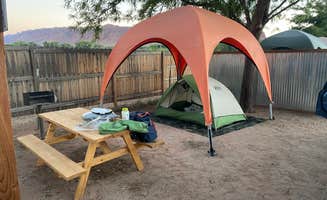
Site selection strategy: Look for natural barriers to create defined spaces. "We had an ideal site with a nice big lawn area we set up a whole game area in," shared a camper at Sun Outdoors Arches Gateway. Sites with rock formations provide both shade and entertainment.
Early morning activities: Plan activities before the heat intensifies. "The tent spots had a nice canopy so your tent stays shaded and dry," reported a car camper at Sun Outdoors Arches Gateway, adding that their location provided "great access to the park."
Level spot challenges: Many free dispersed sites require additional work to level RVs. "It is a bit bumpy all around, so finding level ground is a challenge but not impossible," noted one RVer at South Klondike Bluffs. Carry leveling blocks and stabilizers.
Site measurement: Commercial campgrounds often have tight spacing. "Sites are very narrow that you are 3 feet from your neighbor," cautioned an RVer at Sun Outdoors North Moab. Research exact site dimensions before booking larger rigs.
Water conservation: With limited hookups, plan water usage carefully. "No water, dumpsters, or toilets," mentioned a camper about Sovereign Lands. Most dispersed camping requires self-sufficiency with water for at least 2-3 days depending on your usage.
Frequently Asked Questions
Are there free camping options near Arches National Park?
Yes, several free dispersed camping options exist near Arches National Park. Cotter Mine Road Dispersed Sites offers primitive camping just 10 minutes from the park entrance, though you'll be near highway, train tracks, and powerlines. BLM 144 Dispersed provides free camping about 22 miles from Arches on primitive roads with slight washboards. Courthouse Rock is another excellent free option just 12 minutes from the park. These sites operate on a first-come, first-served basis with no facilities, so come prepared with all necessary supplies including water and waste disposal means. Follow Leave No Trace principles and be aware that popular sites fill quickly during peak seasons.
Is there camping available inside Arches National Park?
Yes, camping is available inside Arches National Park at Devils Garden Campground, the only established campground within park boundaries. Located 18 miles from the park entrance, this campground offers a truly immersive experience among the stunning red rock formations. The campground features 51 sites with picnic tables, fire rings, and access to drinking water and restrooms (no showers). While Devils Garden doesn't offer hookups, its prime location provides unparalleled access to park trails and stargazing opportunities. Sites must be reserved in advance through recreation.gov from March through October, and they typically fill months ahead, especially for spring and fall visits. From November through February, sites are first-come, first-served. The maximum RV length is 40 feet.
Where can I find campgrounds near Arches National Park?
Numerous campgrounds surround Arches National Park, offering easy access to this stunning destination. Goose Island Campground sits along the Colorado River just 4.5 miles from the park entrance, providing spectacular red rock views. King's Bottom Campground is another excellent option about 15 minutes from Arches with sites right on the river for only $20 per night. Several campgrounds are located within Moab, including public, private, and RV park options. The area offers accommodations for all camping styles - from basic tent sites with vault toilets to full-service RV resorts with amenities. During peak season (spring and fall), reservations are highly recommended as campgrounds fill quickly due to the park's popularity.
What RV camping facilities are available near Arches National Park?
Arches National Park is surrounded by RV-friendly campgrounds with varying amenities. Village Camp Moab offers full hookups, clean restrooms with showers, a pool area, and is located just 5 minutes from the park entrance. Spanish Trails RV Park provides gravel sites with full hookups, a pool, laundry facilities, bathrooms, and a store centrally located to Moab attractions. Sun Outdoors Canyonlands Gateway features level camping pads and clean drinking water about ten minutes from Arches. Most RV parks in the area offer essential amenities like water, electric, and sewer hookups, with many providing WiFi and cable. Reservations are strongly recommended, especially during the busy spring and fall seasons.
Keep Exploring