
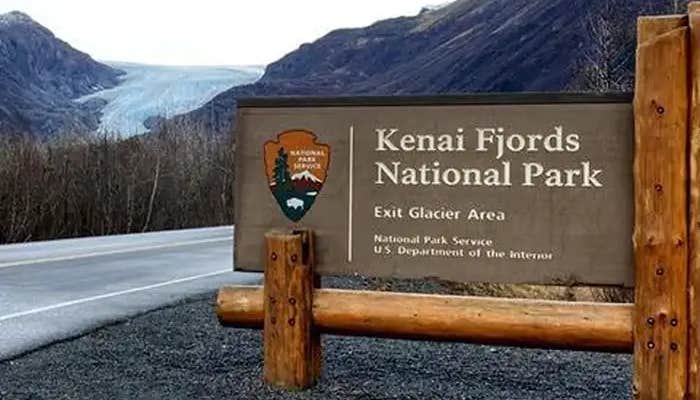
 Photo by The Dyrt
 Complete Kenai Fjords National Park Camping Guide
Kenai Fjords National Park offers a uniquely Alaskan camping adventure amid glaciers, coastal rainforests, and abundant marine wildlife. The park's only road-accessible campground lies near Exit Glacier, providing a front-row seat to one of the Kenai Peninsula's iconic glaciers. Beyond this, adventurous campers can boat out to remote public-use cabins or pitch a tent along the rugged fjord coast. All in-park camping is primitive - think tent sites, basic pit toilets, and bear-proof storage - but the trade-off is immersion in true wilderness. Nearby in Seward and the surrounding Chugach National Forest camping areas, additional campgrounds offer more amenities (and RV hookups) while keeping you within day-trip range of the park. Summer is the prime season here, with long daylight hours and milder temperatures, though frequent rain and unpredictable weather mean good gear is a must. This guide covers everything you need to plan, reserve, and enjoy camping in and around Kenai Fjords, with tips drawn from campers who have been there.
Kenai Fjords National Park Camping at a Glance
All Kenai Fjords National Park campgrounds operate during limited seasons, with the park's single drive-up campground offering free, first-come, first-served sites. The public-use cabins book through Recreation.gov, typically opening January 1 each year for the summer season - and they fill almost immediately. Exit Glacier Road usually opens by late May (weather permitting), with the campground accessible through mid-October before snowfall closes vehicle access.
Sites at Exit Glacier Campground are free. Public-use cabins run $50-75 per night. Private campgrounds in Seward and the surrounding area range from $10-45 per night depending on amenities. Summer temperatures hover between 50-70 degrees F during the day with nights dropping into the 40s - pack warm layers and quality rain gear regardless of when you visit. There are also numerous dispersed camping options near Kenai Fjords in and around the national park to choose from, depending on the type of camping you prefer.
Kenai Fjords National Park Campground Quick Facts
| Quick Facts | Details |
|---|---|
| Number of Campgrounds | 1 frontcountry campground; 3 public-use cabins (2 coastal, 1 winter-only); unlimited backcountry beach sites |
| Total Campsites | 12 tent sites at Exit Glacier Campground; cabins sleep 4-6 each; dispersed coastal camping for experienced groups |
| Campsite Costs | Free at Exit Glacier Campground; $50-75 per night for public cabins; nearby private campgrounds $10-45 per night |
| Reservation Platforms | Exit Glacier Campground is first-come, first-served (no reservations) Public cabins reserved on Recreation.gov (opening Jan 1 each year) |
| Camping Seasons | Exit Glacier Campground open late May to mid-Oct (road closed in winter) Coastal cabins open Memorial Day-Labor Day; winter cabin open Nov-Mar |
| Temperature Ranges | Summer: Days 50-70 degrees F, Nights 40-50 degrees F (frequent rain) Spring/Fall: Days 40-55 degrees F, Nights 30-40 degrees F (snow possible) |
| 2025 Updates | New online reservation system for public cabins launched (Jan 1 release) Exit Glacier Road gate opens May 25 (weather permitting) |
Kenai Fjords Campgrounds: Complete Guide
Frontcountry Camping at Exit Glacier
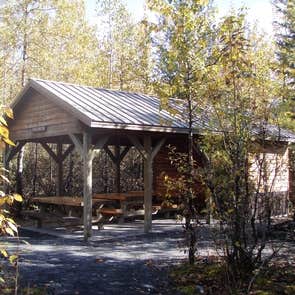
Exit Glacier Campground — Kenai Fjords National Park
Exit Glacier Campground is the park's sole drive-up camping area, offering 12 walk-in tent sites set in a spruce forest near the foot of Exit Glacier. The campground is free and first-come, first-served, often filling by late afternoon in July and August. Sites are primitive (no RVs) and include a picnic table and tent pad. A central food storage locker and covered cooking shelter are provided to keep campers safe in bear country (no food is allowed at individual tent sites). Amenities are basic: a hand-pump for drinking water and vault toilets. The glacier's trailheads are a short walk away, making this a convenient base for hiking the Harding Icefield Trail or taking ranger-led walks.
Coastal Public-Use Cabins (Summer)
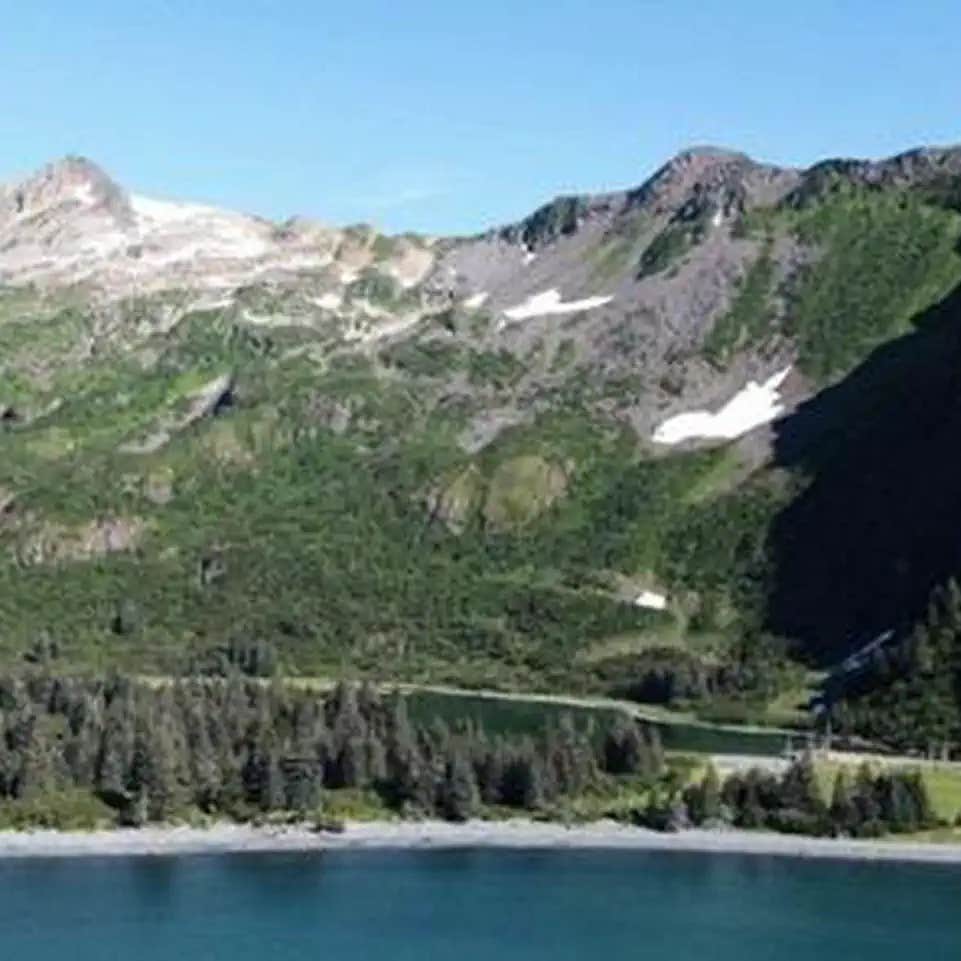
Kenai Fjords National Park Cabins
Aialik Bay Cabin sits on a wild coastline inside Kenai Fjords, offering an off-grid shelter for up to 4 people. Accessible only by a 2-hour water taxi or floatplane from Seward, this cabin provides bunks, a table with chairs, and a propane heater (fuel supplied) to take the chill off cool evenings. There is no electricity or running water - visitors must bring or treat their own water. Aialik Bay Cabin is steps from the tidewater Aialik Glacier, so expect dramatic views and the sound of calving ice. A pit toilet structure is nearby, but human waste must be packed out using provided bags (due to environmental concerns). Reservations are required via Recreation.gov, and the cabin books up almost immediately when released each January.
Campgrounds Near Kenai Fjords (Seward and Chugach National Forest)
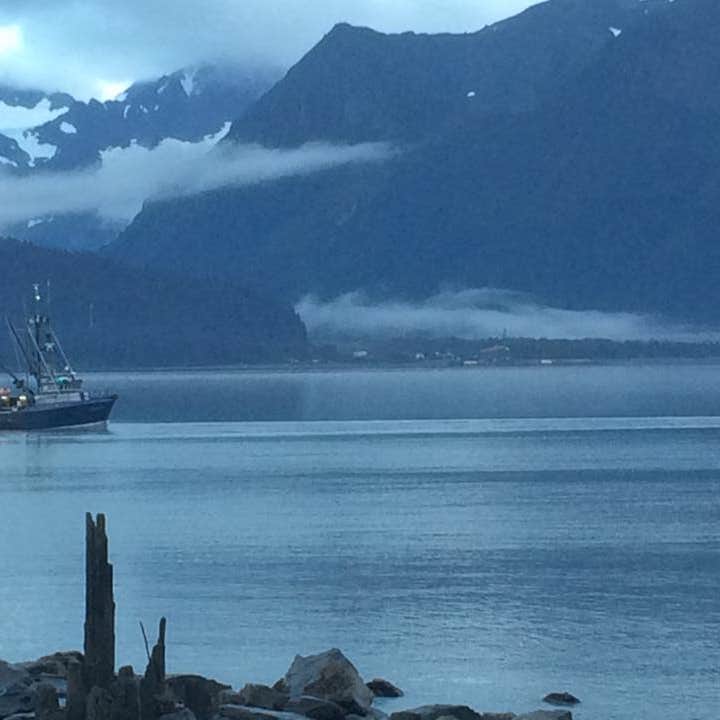
Seward City Campgrounds
Seward City Campgrounds encompass several waterfront camping areas managed by the city of Seward, just outside the national park. These campgrounds offer over 100 sites (some tent, some RV) spread along Resurrection Bay shoreline within a couple miles of downtown. Facilities are modest but convenient: expect gravel or grassy sites, portable toilets or vault toilets, and potable water spigots; some sites have electric hookups. Camps are first-come, first-served (no advance reservations) with self-pay stations ($10 for tents, around $20 for RV sites with power). What they lack in privacy (sites are in open areas along the bay) they make up for in views - wake up to sea otters playing in the bay and snow-capped peaks across the water. Being in town means you can walk to shops, restaurants, the Alaska SeaLife Center, and tour boat docks. These city campgrounds are a popular base camp for exploring Kenai Fjords by day and enjoying Seward's amenities by night.
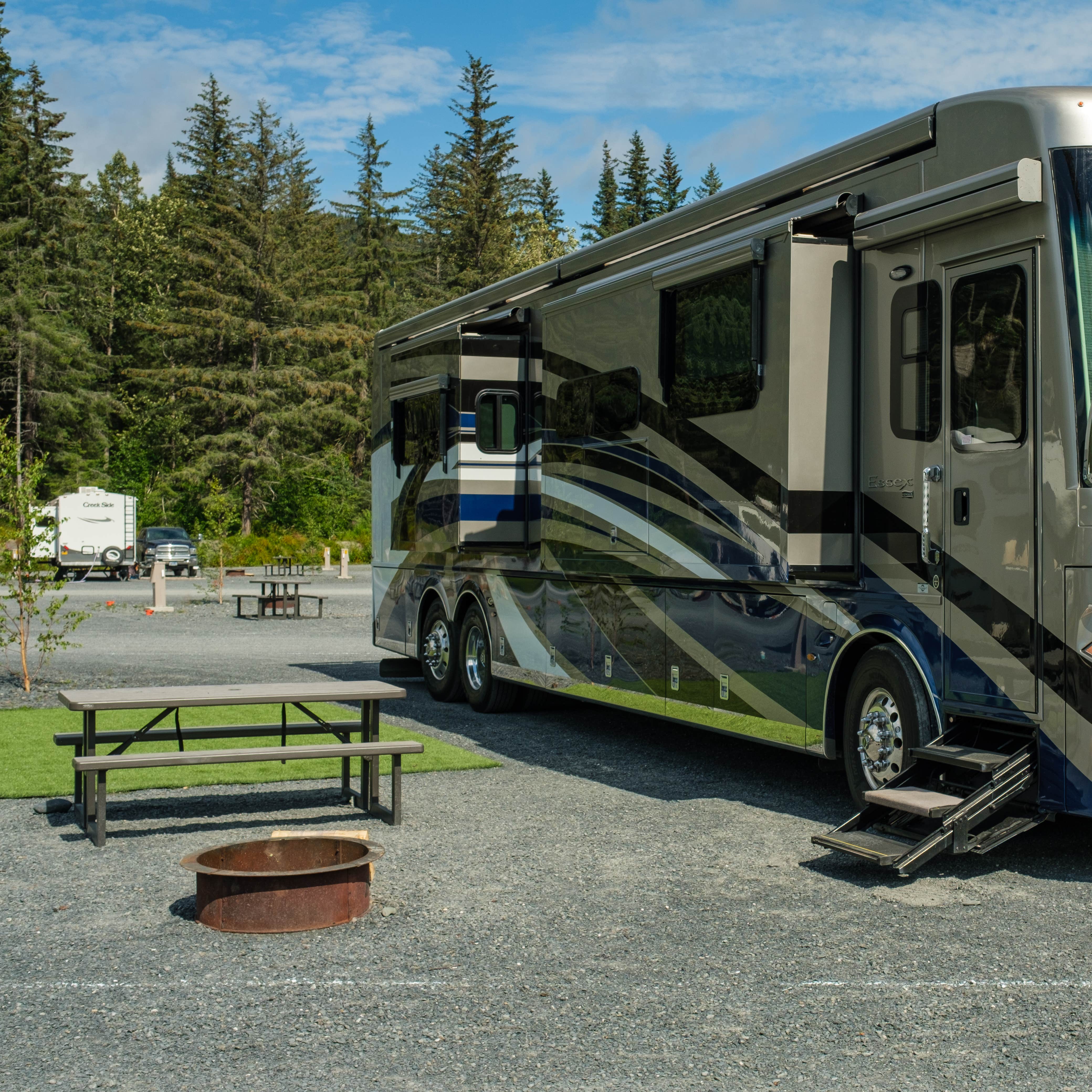
Seward KOA
Seward KOA Journey is a private RV park and campground located about 7 miles north of downtown Seward, conveniently on the road toward Exit Glacier. This modern campground features 75+ sites, including full hookup RV sites (30/50 amp electric, water, sewer) on gravel pads and a few tent sites. As a KOA, it offers amenities like hot showers, flush toilets, laundry, Wi-Fi (including Starlink satellite internet on-site), and a small camp store. There is also a playground and communal fire pit area. While the sites are fairly open (limited trees) and the campground sits near the highway, many campers appreciate the clean facilities and mountain views. Its location makes for an easy drive to both Seward's harbor (for boat tours) and Exit Glacier (about 10 minutes up the road). Reservations can be made via the KOA website and are recommended in summer, especially for large RVs needing full hookups.
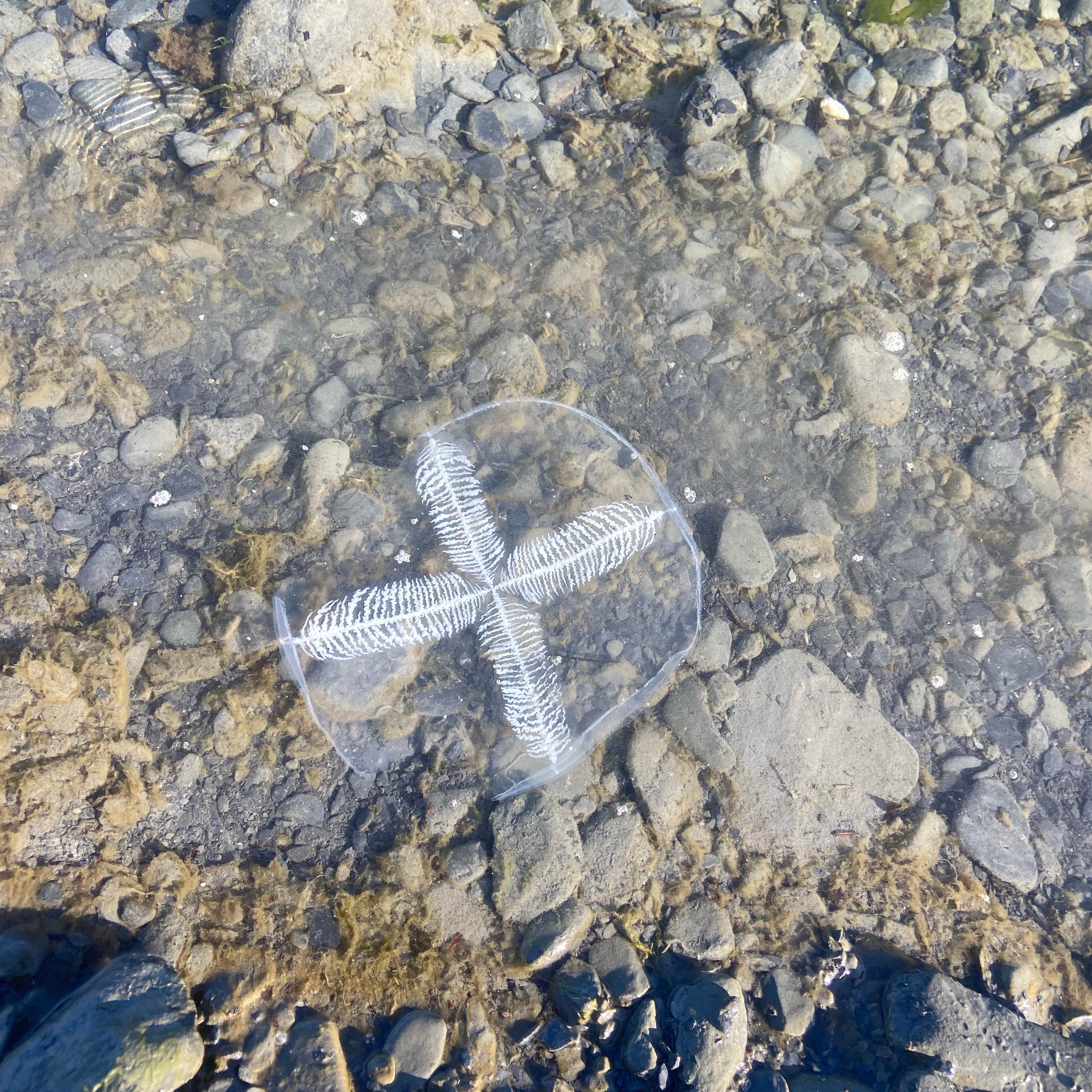
Miller's Landing
Miller's Landing is a family-owned campground and adventure outfitter located at Lowell Point, 2 miles south of Seward at the end of a gravel road. It offers an eclectic mix of campsites and cabins right by the ocean. Tent campers can choose wooded sites or spots virtually on the beach, sleeping to the sound of waves. A limited number of RV sites (no hookups, but water fill-up available) are also on site. Facilities include flush and pit toilets, coin-operated showers, and a fish-cleaning station (popular during silver salmon season). Miller's Landing doubles as a tour base - they offer sea kayaking tours, fishing charters, water taxi service, and even kayak rentals for DIY adventurers. Camping here is a bit rough around the edges (expect muddy ground if it has been raining and curious eagles perched nearby) but incredibly memorable. Campers often spot sea otters and porpoises offshore, and the Caines Head trail that leads to historic WWII fort ruins starts just steps away. Reservations are available and recommended for summer, especially for waterfront spots.
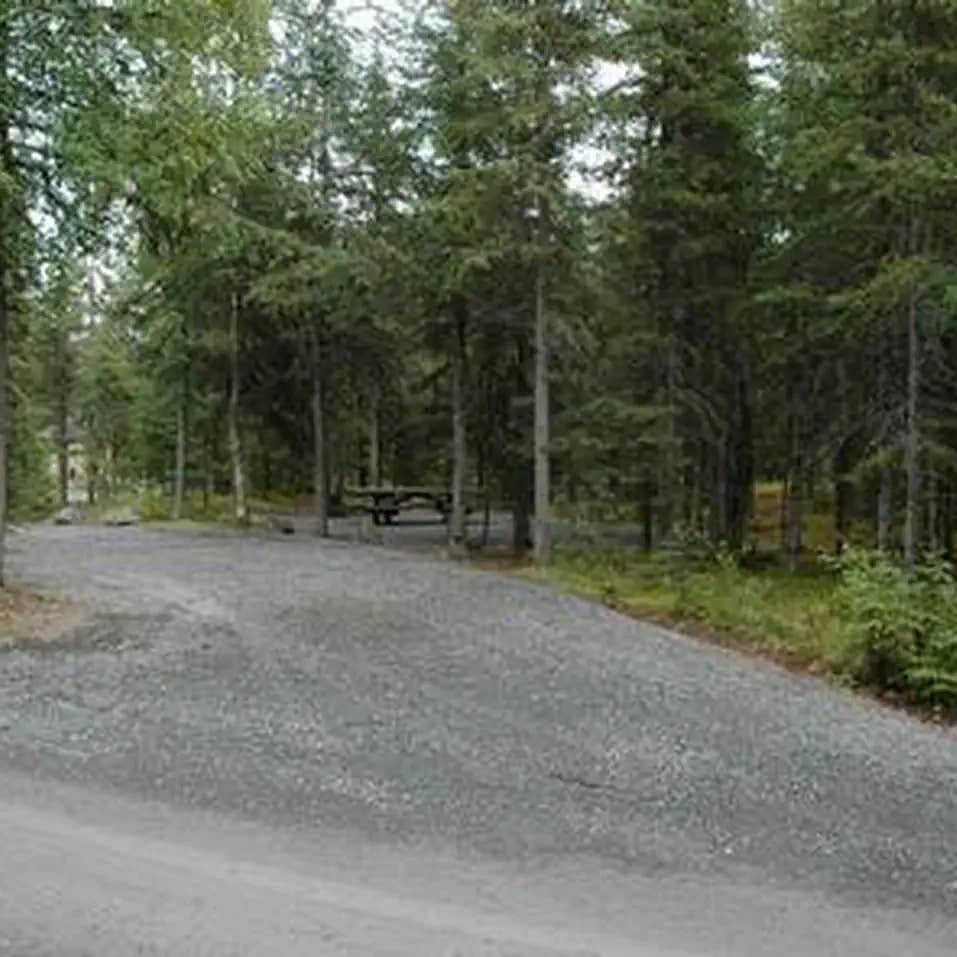
Trail River
Trail River Campground is a tranquil campground in Chugach National Forest, about 25 miles north of Seward (near Moose Pass), making it a great option for campers wanting a quieter setting within driving range of Kenai Fjords. This campground sits along the banks of Kenai Lake's upper Trail River, surrounded by spruce forest and mountain vistas. It features 91 sites, including pull-through and back-in sites that can accommodate RVs (no hookups) as well as tents. Each site has a picnic table and fire ring. Amenities include vault toilets, drinking water, dumpsters for trash, and a day-use picnic area; a few sites are right on the lake with stellar views. The campground is known for its well-spaced sites and peaceful atmosphere - it rarely feels full, even in peak season. Popular activities from Trail River include fishing for trout and salmon in Kenai Lake or nearby streams, canoeing/kayaking on the lake's turquoise waters, and hiking the nearby Primrose Trail or other Kenai Peninsula trails. Reservations can be made on Recreation.gov for summer months (approx. $18-23/night), and some first-come sites may be available. It is an ideal base if you want a forested camping setting away from town noise, yet still be able to drive to Seward (a 30-minute drive) for park tours or supplies.
Kenai Fjords NP Campground Comparison Table
| Campground | Location & Sites | Cost & Reservations |
|---|---|---|
| Exit Glacier Campground | Exit Glacier Area (road terminus) 12 tent-only sites | $0 (free) No reservations (first-come) |
| Aialik Bay Cabin | Coastal Fjord (Aialik Bay) Sleeps 4 (cabin) | $75/night Recreation.gov (summer only) |
| Holgate Arm Cabin | Coastal Fjord (Holgate Arm) Sleeps 6 (cabin) | $75/night Recreation.gov (summer only) |
| Willow Winter Cabin | Exit Glacier Area (winter access) Sleeps 4 (cabin) | $50/night Recreation.gov (winter season) |
| Coastal Backcountry Camping | Remote Fjords Coastline No fixed sites (dispersed) | Free No permits required |
Campground Amenities and Best Uses
Exit Glacier Frontcountry: The park's lone campground (Exit Glacier Campground) is ideal for tent campers who want quick access to hiking trails and glacier views. It is walk-in only and very basic - best for self-sufficient campers comfortable without frills. The upside is a quiet, wooded setting with the sounds of the glacier river nearby. Arrive early in the day during peak summer to snag a spot, and use the communal shelter for cooking and food storage to stay bear-safe. No fires are allowed at individual sites, but there is often a shared fire ring or you can socialize with fellow campers at the shelter in the evenings.
Coastal Cabins: Aialik Bay and Holgate cabins offer a sheltered camping setup with a roof and heater - perfect for groups wanting wilderness without a tent. These are best for small groups or families who are prepared to bring all supplies and want to be fully immersed in the fjords (wildlife photographers and kayakers love these Kenai Fjords National Park cabins as multi-day basecamps). Keep in mind the logistics: you will need to charter a boat or plane and carry everything in/out, so it is not casual camping. The payoff is incredible solitude and scenery right out your door. Cabins are in high demand, so planning and reserving early is critical.
Nearby Seward Camping: The private and city-run campgrounds around Seward work well for campers who prefer some amenities and easier access to town. RV camping options near Kenai Fjords include the Seward KOA or Stoney Creek RV Park for hookups, hot showers, and dump stations. The Seward City camp areas are great for being by the ocean and close to tour departures - excellent for families or road-trippers who want convenience (though expect a more crowded, social atmosphere). If you need a backup when the park campground is full, these nearby sites are good alternatives.
National Forest Campgrounds: Campgrounds like Trail River (near Moose Pass camping areas) provide a quieter, woodsy camping setup within 30 minutes of the park. They are well-suited if you have a larger RV that cannot go to Exit Glacier or if you are looking to escape the summer bustle. You will get picnic tables, vault toilets, and maybe a lake view, and in exchange you will drive a bit farther. These sites can often be reserved in advance, reducing the stress of first-come competition. They also make a nice halfway point if you are coming from Anchorage - you can camp in the forest one night and do a day trip into the park.
Backcountry Kayak Camping: For experienced adventurers, dispersed camping near Seward along the beaches of Kenai Fjords is the ultimate way to experience the park. This requires sea kayaking or boating to your chosen cove. It is recommended only if you have wilderness camping and maritime experience (or go with a guide), as conditions can change fast. Backcountry beach camping has no facilities - you must pack out all waste, secure food from bears, and be prepared for sudden weather. The benefit: camping under the midnight sun with glaciers calving in the distance and no one else around for miles.
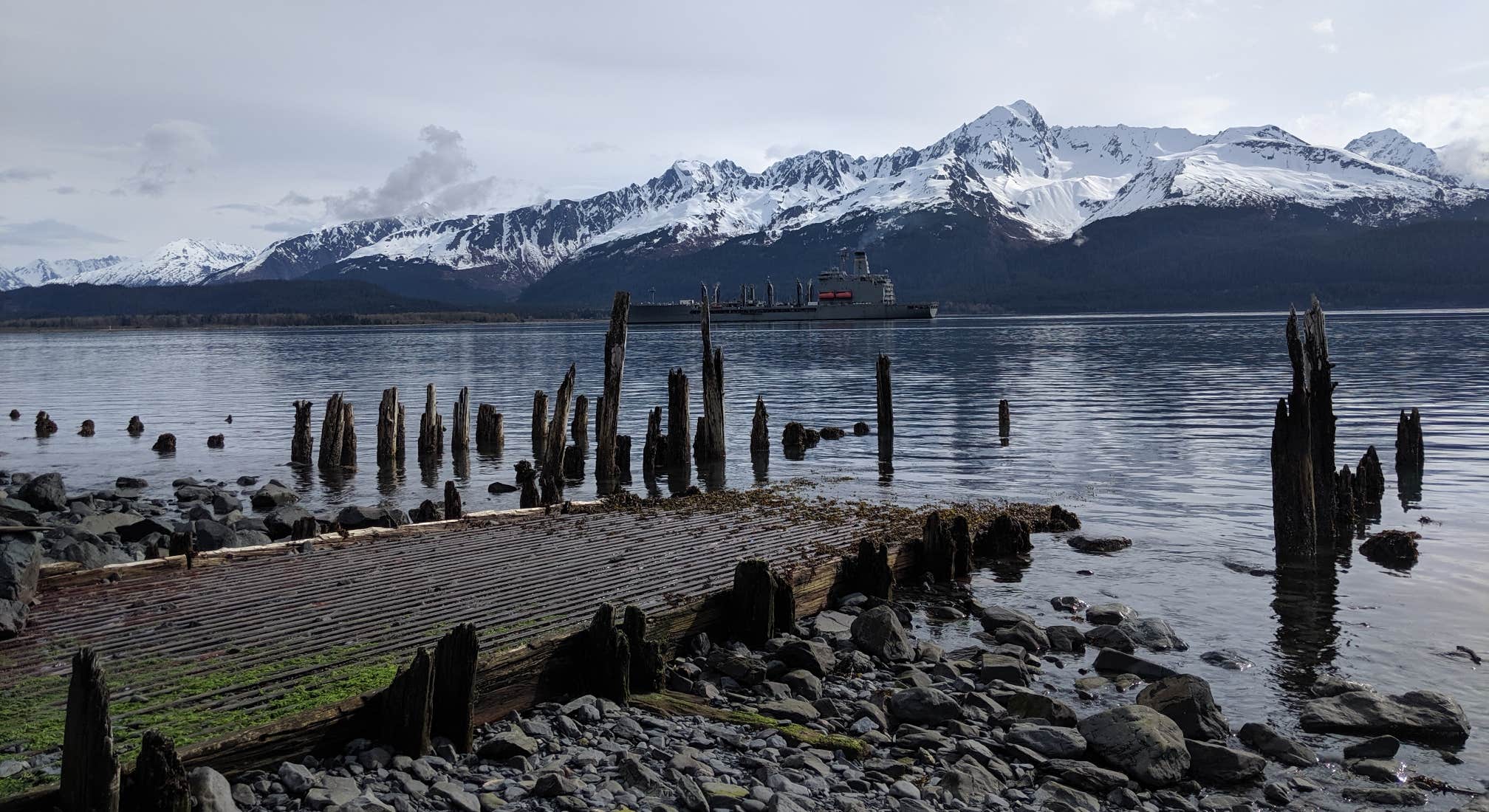 Photo by Hannah W
Planning Your Kenai Fjords Camping Trip 
When to Visit Kenai Fjords
| Season | Temperatures | Camping Conditions |
|---|---|---|
| Spring (April-May) | Days: 40-50 degrees F Nights: 25-35 degrees F | Road to Exit Glacier usually opens by late May (snowmelt permitting) Most facilities closed until Memorial Day; backcountry access via ski/snowshoe |
| Summer (June-August) | Days: 50-70 degrees F Nights: 40-50 degrees F | Main camping season; all campgrounds and cabins accessible Long daylight hours but frequent rain; peak crowds in July |
| Fall (September-October) | Days: 40-55 degrees F Nights: 30-40 degrees F | Cool, wet weather returns; services wind down after Labor Day Exit Glacier road open until first snowfall (often mid-Oct) |
| Winter (November-March) | Days: 30s degrees F Nights: 0-20 degrees F (can drop below 0) | Exit Glacier road closed to vehicles (snowmachine/ski access only) Willow winter cabin available by reservation; extreme weather and deep snow |
Spring (April-May): Early spring in Kenai Fjords is still winter-like. Snowpack lingers at lower elevations and Exit Glacier Road typically remains closed until sometime in May. For most campers, that means limited options - Exit Glacier Campground usually does not become reachable by car until late May. Adventurous locals might venture in by fat bike or skis to use the Willow cabin in April, but conditions are cold and wet. Daytime highs creep into the 40s degrees F, but nights commonly freeze. If you visit in spring, come prepared for mud, snow, and solitude. The upside is you will experience the park just as it is waking up: waterfalls gush with snowmelt, and bears emerge from hibernation (be vigilant about wildlife safety). Memorial Day weekend often marks the start of regular visitor services and road access.
Summer (June-August): Summer is peak season and by far the best time for most camping trips to Kenai Fjords. All campgrounds and cabins are open, and tour operators are in full swing. Daylight is nearly endless (18+ hours in June), with temperatures ranging from the upper 40s to around 65 degrees F on average - comfortable when the sun shines, but often feeling cooler due to ocean breezes and rain. July is the warmest month, occasionally reaching 70 degrees F, but also one of the rainiest. Expect a mix of misty, overcast days and glorious clear ones where the mountain and glacier views go on forever. Reservations (for cabins or private campgrounds) and early arrival (for first-come sites) are essential during this period, as the small number of sites fill quickly. On busy weekends, even overflow and city campsites in Seward can fill up. Wildlife is abundant: whales and puffins offshore, moose grazing near the road, and bears frequenting berry bushes by late summer. Long days mean you can schedule hikes or paddles late into the evening - just remember to still get some sleep! Pack quality rain gear and extra tarps; a cozy evening by the campfire or in the cooking shelter is a perfect way to end a drizzly day of exploration.
Fall (September-October): Fall comes early in Alaska. By September, tourist crowds thin considerably, and you can find easier last-minute availability at campgrounds (sometimes only a few sites at Exit Glacier might even be occupied on a mid-week night). Temperatures drop steadily - crisp days in the 50s degrees F and frosty nights are common by mid-September. The tundra on surrounding mountains turns red and gold, and you might catch the northern lights after midnight in the later fall weeks. However, rain remains frequent and storms start rolling in off the Gulf of Alaska more fiercely. After Labor Day, many services in Seward scale back or close: water taxi schedules become limited, and ranger programs wind down. The Exit Glacier Campground usually stays open (for free) until the road closes, but no running water or staff are present - it becomes truly primitive camping. By mid to late October, heavy rain or early snow typically closes the road and thus vehicle access to the campground. Fall camping can be rewarding for self-sufficient campers who do not mind having the place nearly to themselves, but come prepared for chilly rain, and have a backup plan in case sudden snow blocks your exit.
Winter (November-March): Winter camping in Kenai Fjords is an extreme adventure. The majority of the park is essentially inaccessible - deep snow, avalanches, and short daylight (just 5-6 hours in December) make backcountry travel very challenging. The one maintained option is the Willow winter cabin near Exit Glacier, which you can reserve and reach via cross-country skis, snowshoe, or occasionally snowmobile when allowed. Temperatures in the Seward area hover in the 20s and 30s degrees F, but can plunge below zero during cold snaps, especially inland by the icefield. Snowfall is heavy; storms can drop several feet in a short time and obscure all trail markers. If you are using the winter cabin, plan extra days of food in case weather delays your return (it is not uncommon to be snowed in by a blizzard). There are no open campgrounds - even Seward's city camp areas are effectively closed or buried in snow (though hardy RVers sometimes dry-camp in town with permission). Winter does offer special benefits: the absolute silence of a frozen landscape, tracks of wolves or lynx in the snow, and on clear nights, stars and aurora borealis dancing above snow-capped peaks. Only very experienced winter campers with avalanche awareness and proper gear should attempt camping in or around Kenai Fjords at this time of year.
Kenai Fjords Reservation Systems Explained
Kenai Fjords has limited in-park frontcountry camping, so most reservations are for nearby campgrounds in Seward, along the Seward Highway, or on surrounding public lands.
- NPS (Exit Glacier area): If camping is available, it’s typically limited and may be first-come, first-served depending on the site and season.
- Forest Service / State / City / Private campgrounds near Seward: Many open reservations months in advance and fill fast for summer weekends.
- Backcountry camping: Requires an NPS permit and strong self-sufficiency. Routes are weather-dependent and conditions can change quickly.
If your first choice is full, plan a backup basecamp near Seward and explore the park by boat tour or water taxi.
Campground Costs and Budgeting
| Campground Type | Nightly Cost | Key Features |
|---|---|---|
| Basic Park Campground | $0 | Exit Glacier Campground - no fee to camp Vault toilet, water pump, shelter provided |
| Public-Use Cabins | $50-75 | Aialik/Holgate ($75) and Willow ($50) per night Heated cabin with bunks; no services included |
| Private/City Campgrounds | $10-45 | Seward city sites ~$10-20 (dry camping) Privates (KOA/Stoney/etc) $30-45 for hookups |
Additional Fees and Budget Tips
Park Entrance Fees: Good news - Kenai Fjords has no entrance fee. Visiting the Exit Glacier area and using the campground is free of charge. So your primary park-related costs will be transportation and camping logistics, not entry tickets. (If you have an America the Beautiful pass, it is not needed here, though that pass can give 50% off at some federal campgrounds in the area like Trail River.)
Transportation Costs: If you are heading to coastal areas, remember to budget for water taxis or tour boats. A water taxi ride to Aialik Bay or Holgate Arm can run around $150-$200 per person round-trip, depending on the operator and distance - a significant expense to plan for if cabin or kayak camping in the fjords. Similarly, a full-day glacier wildlife cruise out of Seward (highly recommended to see the marine side of the park) can cost about $170-$250 per adult. These tours are not required, but many campers splurge on at least a day boat tour to see the glaciers and marine wildlife.
Camping Amenities: Exit Glacier Campground has no store, so purchase firewood, stove fuel, food, and other supplies in Seward before heading out. Seward has grocery stores, an outdoor gear shop, and gas stations, but prices can be a bit higher than mainland due to remote location. For showers, since the park campground does not have any, many people pay for a hot shower in town - the Seward Harbor campground has public pay showers (around $2-3 for a few minutes) or you can use facilities at private campgrounds (some offer shower access for non-guests for a small fee).
Saving Money: To keep costs down, consider the free options: Exit Glacier Campground itself is free, as is dispersed camping near Kenai Fjords on public lands like the Exit Glacier Road Special Use Area or in nearby Chugach National Forest dispersed areas (where allowed). Just be sure you are in a designated area if required (the Forest Service has a specific free camping zone along Exit Glacier Road). Also, traveling in early June or late August might yield slightly lower tour prices or more lodging deals in Seward than the July peak. If you have flexibility, monitor weather and go when there is a clear stretch - you will enjoy activities more and might avoid wasting money on a rainy-day tour with limited visibility. Finally, if cabin prices are steep for your group, remember they can be split among 4-6 people, which often ends up cheaper per person than a hotel in town for the night.
Essential Gear for Kenai Fjords Camping
Pack for cold, wet conditions and limited services, even in mid-summer.
Sleep and shelter
- Warm sleeping bag (20°F or lower is a safe bet)
- Sleeping pad with solid insulation
- Rain-ready tent with a full-coverage rainfly
- Extra guy lines and stakes (coastal wind is real)
Rain and layers
- Waterproof rain jacket and rain pants
- Warm mid-layer (fleece or insulated jacket)
- Beanie and gloves
- Quick-dry base layers
On-the-water essentials (if boating or kayaking)
- Dry bags for critical gear
- Extra warm layer in a waterproof pack
- Personal flotation device (required for most rentals/tours)
Practical extras
- Headlamp
- Bug protection (can be intense in summer)
- Offline maps (cell service can be limited)
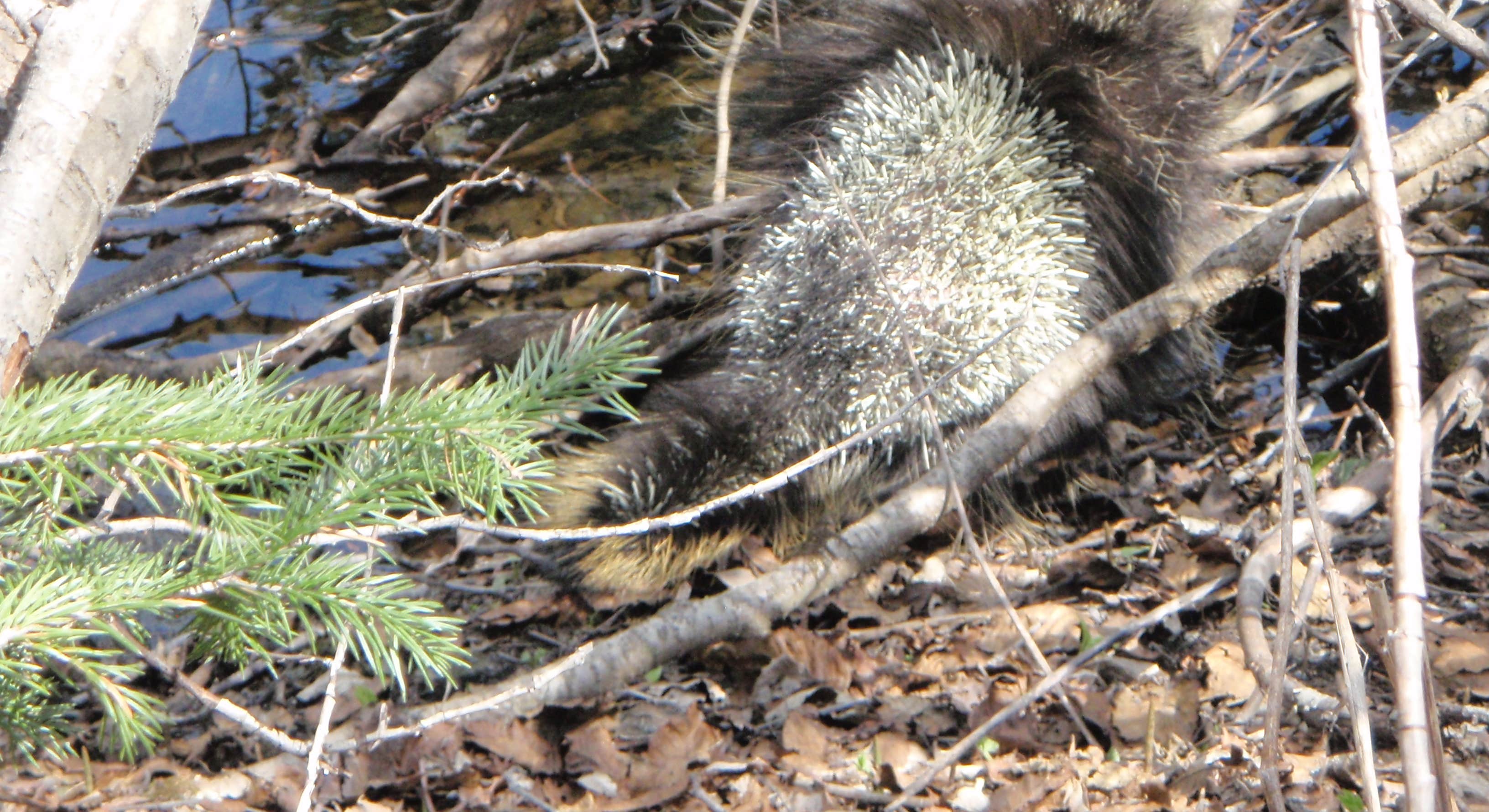 Photo by Amber A
Wildlife Safety and Park Regulations 
Bear Safety in Kenai Fjords
Kenai Fjords National Park is home to both black bears and brown bears (grizzlies). Whether you are camping at Exit Glacier or along a remote beach, you must remain bear-aware at all times. Here is how to stay safe around bears:
Food Storage and Scented Items: Never leave any food or scented item (toothpaste, deodorant, even empty coolers) unattended or in your tent. At Exit Glacier Campground, all food must be kept in the central bear lockers provided and all cooking should be done at the covered shelter, not at individual tent sites. In the backcountry or at coastal cabins, store food in bear-resistant canisters or inside the cabin (doors latched) when not in use. Keep a clean camp - pick up food scraps, wash dishes 200 feet away from sleeping areas, and pack out all garbage. Bears have an extremely keen sense of smell and will investigate anything interesting; your goal is to make certain a bear never gets a food reward from a campsite. If they do, they can become habituated (which often ends tragically for the bear).
Encounters and Deterrents: Carry bear spray when hiking or away from immediate developed areas. Keep it accessible (holstered on your belt or backpack strap) and know how to use it. Hike in groups and make noise - talk or call out frequently, especially in thick brush or when rounding a blind corner, to avoid surprising a bear. Most bears will avoid you if they hear you coming. Observe the 100-yard rule: stay at least 100 yards (300 feet) from any bear you spot. If you do encounter a bear at closer range, do not run. Back away slowly while facing the bear, speak calmly, and ready your bear spray. In the rare case a bear approaches, stand your ground and use the spray when it is within 20-30 feet. At night, keep bear spray and a flashlight in your tent with you. While inside the park's campground, outright confrontations are rare, bears do occasionally roam through - usually because they smelled something. If everyone follows the storage rules, chances of an issue drop dramatically.
Other Wildlife: Bears garner the most attention, but also respect other animals. Moose can wander near the Exit Glacier area; they seem calm but can charge if provoked or if you get between a mother and calf - give moose plenty of space (at least 50 yards). Along the coast, you may see seals or sea lions hauled out on rocky beaches; do not approach or try to feed them. Keep 50 yards distance on land and 100 yards if you are in a kayak on the water near marine mammals like sea lions or whales (both to protect them and for your safety - a kayak colliding with a humpback is bad news). And while they are not dangerous, do be gentle around tidepool creatures and nesting seabirds like puffins - disturbing or collecting park wildlife is illegal.
Park Regulations and Etiquette
| Regulation Category | Specific Rules | Penalties |
|---|---|---|
| Campfires | Allowed only in designated fire rings or on bare beach below high tide line Never leave fires unattended; fully extinguish with water | Fines for illegal fire or if causing wildland fire Possible ban during high fire risk periods |
| Food Storage | All food/toiletries must be secured in bear lockers or canisters No cooking or food in tents at any time | Citation up to $200 Camp eviction if attractants left out |
| Quiet Hours | 10:00 PM - 6:00 AM in all camp areas Generators discouraged (none allowed at Exit Glacier) | Warning, then possible removal Repeat offense can incur fine |
| Wildlife Distance | Stay 100 yards from bears and whales 25 yards from other wildlife (moose, etc.) | Fines and potential federal charges for harassment of wildlife |
Additional Park Regulations
Pets: Pets are not allowed on trails or in the campground at Exit Glacier (to prevent wildlife confrontations and resource damage). You can have leashed pets in the parking lot or campground road, but they cannot stay overnight in the tent area and definitely not inside public cabins or backcountry. Essentially, Kenai Fjords is not a pet-friendly park for camping - consider boarding your dog in town if you plan to camp in the park. If you need pet-friendly camping near Kenai Fjords, look at options in Chugach National Forest or the Soldotna area.
Waste Disposal: The mantra is pack it in, pack it out. There are trash cans at the Exit Glacier trailhead and campground entrance - use them for any garbage when you leave. If you are in the backcountry or using cabins, you must pack out all trash, leftover food, and even used toilet paper. Burying trash or tossing it in outhouses is prohibited. For human waste: at Exit Glacier Campground use the vault toilets. In coastal backcountry, the park now requires using portable toilet bags (Cleanwaste or similar) in many areas because pit toilets were removed; if you have to go on a remote beach, do it well below the high tide line or use provided bags at cabin sites, and carry out sealed waste bags to dispose of properly later.
Cultural and Natural Resources: It is illegal to disturb or remove any natural or historical objects. This includes picking wildflowers, collecting rocks, taking home marine mammal bones you find on the beach, etc. You might come across historical artifacts (especially around Caines Head area outside the park or old mining sites) - take pictures, but leave them in place for others to see. Also, do not deface rocks or trees with carving or graffiti. In short, leave everything as you found it so the next visitor gets the same wild environment.
Drone Use: Drones are prohibited in all national parks, including Kenai Fjords. Do not launch or operate unmanned aircraft anywhere in the park (Exit Glacier area or out in the fjords). Beyond being illegal, the loud buzz can stress wildlife like nesting birds and ruin the natural soundscape for others.
Fishing and Hunting: The national park waters have limited fishing opportunities - if you plan to fish in the park's rivers or lakes, you will need an Alaska state fishing license and must follow state regulations (which often catch-and-release native fish). Popular fishing spots like the Resurrection River or Salmon Creek are actually outside the park. There is no hunting allowed in Kenai Fjords National Park. Firearms are allowed to be carried (per Alaska laws) but discharging them or hunting in the park is against federal law. In adjacent areas like national forest or state land, different rules apply - know where you are on the map.
By respecting these regulations and practicing good etiquette (like yielding to others on narrow trails, not blasting music in quiet camp areas, etc.), you help keep Kenai Fjords protected and make certain that wildlife and future campers are not negatively impacted. Rangers do patrol and have seen it all - from clever ravens opening coolers to careless campers leaving food out - so do your part to camp responsibly. The reward is a safe, enjoyable trip in a truly wild place.
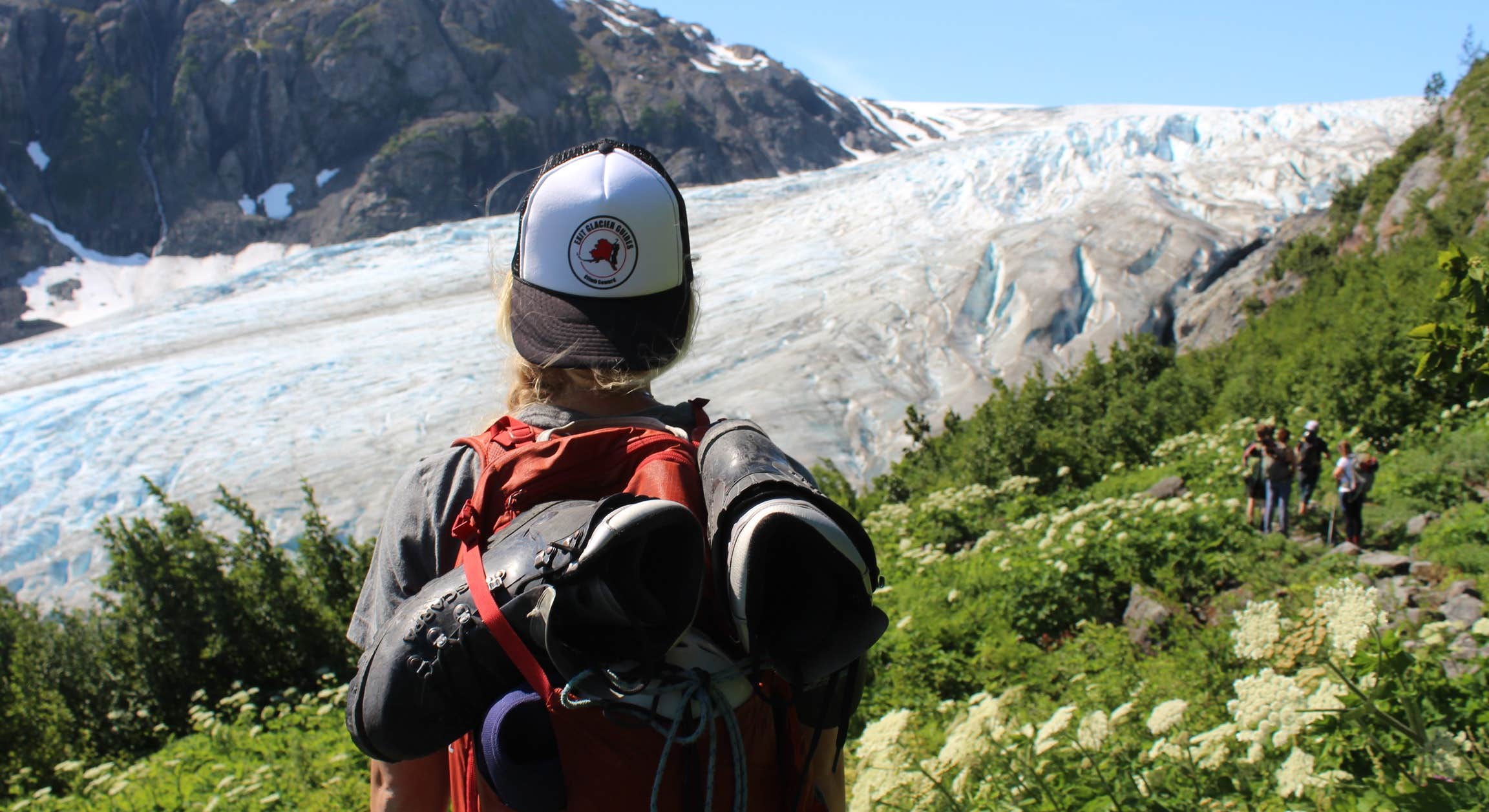 Photo by Carly S
Beyond the Campground: Activities and Exploration 
Day Trips from Kenai Fjords Campgrounds
From Exit Glacier Campground: Staying at Exit Glacier puts you steps away from some of the park's best hikes. The Glacier View Loop and Edge of the Glacier Trail trailheads are a 5-10 minute walk from the campground and lead to viewpoints right at the toe of Exit Glacier - an easy 2-mile round trip suitable for all ages. For a big adventure, the Harding Icefield Trail starts near the nature center (0.5 miles from camp) and climbs 4,000 feet over 4+ miles one-way to an awe-inspiring vista of the Icefield; it is a full-day, strenuous hike, but you can turn around at any point (even reaching the halfway point, Marmot Meadows, gives great views). Ranger-led walks are offered on the lower trails in summer mornings and afternoons - a great way to learn about glacial history. Aside from hiking, just exploring the riverside gravel bars near camp (where Exit Creek flows) can be fun; watch for ice chunks floating down from the glacier on warm days. If you want a break from wilderness, the town of Seward is a 15-minute drive - you can easily pop in for a hot meal, a shower, or to visit the Alaska SeaLife Center aquarium, then be back at your tent for an evening campfire.
From Seward and Lowell Point Campgrounds: If you are camping in or near Seward (city campgrounds, Miller's Landing, Seward KOA), you have a mix of town comforts and park adventures at your fingertips. A must-do day trip is a Kenai Fjords boat tour - board a morning cruise from Seward harbor (many tours last 6 hours, returning mid-afternoon) to see coastal glaciers like Holgate or Northwestern plus whales, puffins, sea lions and more. This can easily be done from any Seward-area campground (most tour operators offer shuttle pickup or it is a short drive to the dock). In the afternoon or an alternate day, drive 2 miles south to Lowell Point and hike the Tonsina Point Trail, an easy 2-mile (one-way) walk through temperate rainforest to a beach. At low tide, experienced hikers can continue along the beach from Tonsina to Caines Head State Recreation Area, checking out tide pools and reaching an old WWII fort (Fort McGilvray) if you time the tides right - just be very mindful of tide tables so you do not get stuck. Back in Seward, enjoy a stroll along the Waterfront Park watching for otters and eagles. Another option from town: hike the Mt. Marathon Trail right from downtown Seward. It is a steep, heart-pounding ascent (3+ miles round trip) up the mountain famous for the July 4th race. Even reaching the bench or turnaround point halfway offers great views of the bay and town. For a more relaxed outing, visit Alaska SeaLife Center to learn about local marine life - a great rainy day activity within walking distance of city camps.
From Chugach National Forest Campgrounds (Moose Pass Area): Campers based at Trail River, Primrose, or other Moose Pass camping sites can enjoy both Kenai Fjords day trips and local adventures. One popular outing is to drive approximately 30 minutes into Seward for a day cruise or kayak tour (you can experience the national park by water and return to your quieter campsite by evening). But there is plenty to do right near Moose Pass as well. Trail River Campground sits near the trailhead for Johnson Pass Trail (a longer 23-mile trail popular with mountain bikers) and the shorter Victor Creek Trail, which climbs to alpine meadows - great for a half-day hike with chances to see wildflowers and maybe Dall sheep on distant cliffs. Primrose Campground is at the start of the Primrose Trail to Lost Lake, a beautiful but long hike (7 miles one way) to an alpine lake; many just hike a few miles up to get sweeping views of Kenai Lake below. Fishing is another draw: from these campgrounds you are minutes from Kenai Lake and the upper Kenai River - famous for trout and salmon. You could spend a morning casting for Dolly Varden or try the Ptarmigan Creek area (along the Seward Highway north of Trail River) for fly fishing (when salmon are running, bear sightings are common here too). If you have a kayak or canoe, Kenai Lake's turquoise waters are accessible at Trail River - paddling along the lake shore with mountain vistas is a relaxing way to spend an afternoon (just watch out for sudden winds that can whip up waves). After a day of activity, stop in at Moose Pass small town (just off the highway) to see the historic waterwheel and maybe grab a slice of pie at the local lodge cafe. These forest campgrounds give a mix of recreation and relaxation that nicely complements the more touristy bustle of Seward.
Top Hiking Trails Near Campgrounds
| Trail Name | Difficulty & Distance | Key Features |
|---|---|---|
| Harding Icefield Trail | Strenuous 8.2 miles RT | 4000 ft climb to a panoramic view of the Harding Icefield; alpine meadows, occasional mountain goats, ultimate glacier overlook |
| Exit Glacier Loop Trails | Easy 2.0 miles RT (various loops) | Fully accessible paths to glacier viewpoints; interpretive signs; great for all ages to get close to a glacier |
| Tonsina Point to Caines Head | Moderate ~5-14 miles RT (tide-dependent) | Coastal forest hike to beach; option to continue at low tide to WWII fort ruins; tidepools, wildlife sightings (bears, eagles, seabirds) |
| Lost Lake Trail | Moderate/Strenuous 7 miles one-way | Alpine lake at 2000 ft elevation with mountain views; wildflowers in late summer; can be done from Primrose or Seward side |
| Mount Marathon Trail | Strenuous 4 miles RT (to Race Point) | Very steep, gains ~3,000 ft; overlooks Seward and Resurrection Bay; famous race route, spectacular view reward on clear days |
Trail Access and Starting Points
Most land-based hiking in Kenai Fjords starts near Exit Glacier. For deeper fjord access, plan on water taxi drop-offs or guided trips.
- Exit Glacier / Harding Icefield Trail: Primary trailhead area for day hikes and big elevation gain.
- Seward basecamp hikers: Use town trails (like Mt. Marathon area) for quick mileage when weather limits boat access.
- Boat-access hikes: Coordinate pickup times carefully and carry layers, rain protection, and extra food.
Water Activities in Kenai Fjords
Despite the park's name, activities on the water are actually a core part of experiencing Kenai Fjords. Whether by tour boat, kayak, or fishing skiff, do not miss the chance to get out on the water. Here is how to enjoy Kenai Fjords' waters safely:
Boat Tours and Water Taxis: One of the most popular ways to see the park is via a glacier and wildlife cruise. Several companies in Seward offer daily boat tours ranging from 4 hours to 8+ hours. These tours will take you out into Resurrection Bay and beyond to places like Aialik Bay or Northwestern Fjord, where you can watch towering tidewater glaciers calve into the sea. Along the way you are almost guaranteed to see marine wildlife: humpback whales, orcas, Steller sea lions, puffins, porpoises, sea otters - it is like a marine safari. Tours typically provide a narrated trip and sometimes a lunch. If you are camping in Seward, you can walk or take a shuttle to the small boat harbor for your tour departure. Water taxis are another service - essentially charter boats that drop off/pick up campers and kayakers in the park. If you have reserved a public cabin or arranged a guided kayak trip, you will likely use a water taxi to reach your destination. They operate on demand (scheduled with the operator) rather than a set tour route. Be flexible with timing; weather or rough seas can delay pickups. Pro-tip: Have an extra day of food and a communication device when relying on a taxi, in case poor conditions keep the boat from reaching you on schedule.
Sea Kayaking Adventures: Paddling in Kenai Fjords is a bucket-list pursuit for many, allowing you to glide quietly past fjord cliffs and icebergs. You can rent kayaks or join guided trips through outfits in Seward. Guided day trips often go to places like Fox Island or around Resurrection Bay where waters are somewhat protected; these are suitable for beginners and require no experience (just a decent fitness level). For the more intrepid, multi-day kayak camping trips can be arranged (or done independently if you are skilled). Popular routes include Aialik Bay and Bear Glacier Lagoon (just outside the park), where you camp on beaches and possibly use a water taxi to position you and your gear. Always kayak with a buddy or guide - the water is extremely cold (approximately 45-50 degrees F in summer) and conditions can change rapidly. Afternoon winds often kick up waves in the bays, so paddling in early morning is usually calmer. Dress for immersion (a dry suit or at least wetsuit with rain layers on top; guides will provide gear). And remember, keep a wide berth from glacier fronts - get no closer than 1/4 mile, as falling ice can create big waves. Kayaking lets you reach tucked-away coves and feel a profound peace among the fjords, but it demands respect for the ocean's power.
Fishing Opportunities: While Kenai Fjords proper is not known for stream fishing (most park streams are glacially silty and fish passage is limited), the broader Seward area has great angling. Saltwater fishing charters are a major draw - from Seward you can book a half or full-day fishing trip to catch halibut, lingcod, rockfish, and salmon in the Gulf of Alaska. Campers often pair a fishing day with camping; there is nothing like grilling your own fresh-caught salmon at your campsite (just be sure to do so in the designated cooking area to avoid bear issues). If you prefer freshwater fishing, drive about 20-30 minutes from Seward to streams like Ptarmigan Creek or the upper Kenai River (near Cooper Landing tent camping areas) for trout and salmon runs. Check Alaska Department of Fish and Game regulations - for example, Resurrection Bay has special rules (it is one of the few areas you can snag salmon when open). Always clean fish well away from camp (Seward harbor has fish cleaning tables, and Miller's Landing has one for guests). Dispose of fish waste properly (in the ocean or designated dumpsters) - dumping guts near campground areas is a huge no-no because it will attract bears. For more on Russian River camping in Alaska, check out The Dyrt's guide to this legendary fishing destination.
Cold Water Safety: Whether you are on a big tour boat, a small skiff, or a kayak, the waters of Kenai Fjords demand caution. Always wear a life jacket (PFD) when on deck of a small boat or in a kayak - the water is so cold that even strong swimmers can lose muscle control in minutes if you fell in. If you are boating on your own, check the marine weather forecast that morning; winds can be deceptive (calm in the bay, howling around the next point). For kayakers, sticking near shore is wise, so you can get off the water if conditions worsen. Be mindful of the tides - a beach that was a gentle landing in the morning might be pounding surf in the afternoon on incoming tide. And watch for wildlife: keep distance from orcas (do not kayak toward them, though they often will ignore you), and give any hauled-out sea lions a lot of space - they can be territorial in water. Lastly, never approach the face of a tidewater glacier in any watercraft; chunks of ice the size of cars (or houses) can fall without warning, sending out shock waves and icy spray. Tour boats will stay at a safe distance; you should too. In summary, respect the ocean's might - it is part of what makes Kenai Fjords thrilling, but it is unforgiving of mistakes. With prudent planning and a bit of courage, you will be rewarded with memories of paddling past bobbing icebergs or reeling in a trophy halibut under the gaze of snow-clad peaks.
The Dyrt Community Insights 
Ranger Recommendations
The Dyrt Rangers offer these insider tips from experienced campers who extensively visit parks nationwide:
Exit Glacier Campground - Arrive Early for Success: Park rangers and seasoned visitors alike stress that timing is everything for snagging a spot at the free Exit Glacier Campground. "Try to get there in the morning, between 10 am and noon, when people from the night before are leaving," one ranger advises. Many campers pack up and depart after breakfast for their day's activities, so new openings often appear late morning. If you roll in at 6 pm hoping for a site, you will likely be out of luck in July. As a backup, rangers suggest the Forest Service's Exit Glacier Road dispersed camping area a few miles away - "It is basically a gravel pullout zone where overnight parking is allowed, not particularly pretty, but it beats no place to sleep." In short, plan to claim your spot early, then use it as your home base to check out the glacier.
Public Cabin Strategy - Patience Pays Off: "Do not be discouraged if the cabins show fully booked - check again closer to summer," recommends a Kenai Fjords park staffer. They note that Aialik and Holgate cabins see frequent cancellations as people's plans change. The sweet spot is April and May, when initial bookers might cancel before their reservation penalty kicks in. Set alerts on Recreation.gov or just manually refresh - cabins might pop open for a night or two. Also, a ranger tip: weekdays are easier to get than weekends. "If you can swing a Monday-Tuesday at Aialik Bay Cabin, you have got a better shot than any Friday or Saturday." And always have Plan B (like bringing a tent to camp on the beach) if a cabin plan falls through.
Hidden Gem in Plain Sight: The Dyrt community often talks up Two Lakes Park in Seward as a quick escape. One ranger concurred, saying "If you need a break from the salt and sea, Two Lakes trail is a little oasis right by the Seward campgrounds." It is a short, family-friendly loop by two small forest ponds just behind the city campground area - a nice evening stroll where you might spot spawning salmon or just enjoy the greenery, without venturing far. This is not a big-ticket attraction, but campers mention it as a peaceful spot to stretch your legs after dinner, especially if you are staying at the Seward Waterfront or Forest Acres campground.
Top-Rated Sites from The Dyrt Community
| Category | Top Pick & Rating | Key Highlights |
|---|---|---|
| Highest-Rated In-Park | Aialik Bay Cabin 5.0/5 stars | Remote solitude with glacier views out the front door, stellar wildlife sightings (seals, whales offshore), cozy shelter in harsh weather |
| Best Basecamp Location | Seward City Campgrounds 4.6/5 stars | Walkable to tours, restaurants, and SeaLife Center; camp by the ocean with otters playing; convenient but can be busy |
| Top RV Option | Seward KOA 4.5/5 stars | Easy access and full amenities, clean bathrooms, reliable hookups and Wi-Fi, close to park turn-off, mountain views from site |
| Most Memorable Campground | Trail River Campground 4.7/5 stars | Lakeside campsites with reflection of peaks, quiet atmosphere, great for fishing and avoiding crowds, well-maintained NF facilities |
Community Insights and Recommendations
Quiet Camping Praise: Many reviewers on The Dyrt highlight how peaceful the camping setting is at Kenai Fjords once the day-tour crowds are gone. At Exit Glacier Campground, campers loved hearing nothing but the rush of the river and occasional glacier ice cracking at night. One camper wrote that the lack of generators and RV noise (since it is tents only) made it "the most tranquil night of our whole Alaska road trip." The key is to be prepared for the quiet: bring that book you have been meaning to read, and soak in the calm because there is no cell service or artificial entertainment out there.
Rain, Rain, and More Rain: A common thread in reviews is advice about dealing with weather. Campers frequently mention rain, with comments like "Invest in good rain gear - we had two sunny days out of seven, and still loved it." The community often suggests bringing extra tarps and even setting up a tarp over your tent if possible, to give a dry area to shed wet clothes before diving into your sleeping bag. The consensus is that if you embrace the rain (and pack quick-dry clothing plus plenty of warm drinks), it becomes part of the adventurous charm rather than a trip-ruiner.
Wildlife Encounters: Campers have shared thrilling anecdotes - and cautionary tales - about the wildlife. One Dyrt user described waking up to see bear tracks that circled their beach tent in the morning at Aialik Bay (they had not even heard a thing in the night!). It ended well, but it underscores the constant refrain: use those bear canisters and keep food smells far from your tent. On a lighter note, multiple folks raved about the campground moose in the Exit Glacier area - apparently a cow moose with a calf was browsing willows near the campground loop for a few days one summer, and campers safely watched from a distance as the pair had dinner of their own. And almost everyone who camped by the Seward waterfront talks about sea otters; they are basically the campground mascots, bobbing in the waves and crunching on shellfish. The community's tip: carry binoculars! Whether it is scanning cliffs for mountain goats or spotting puffins on the water, you will not regret the extra weight in your day pack.
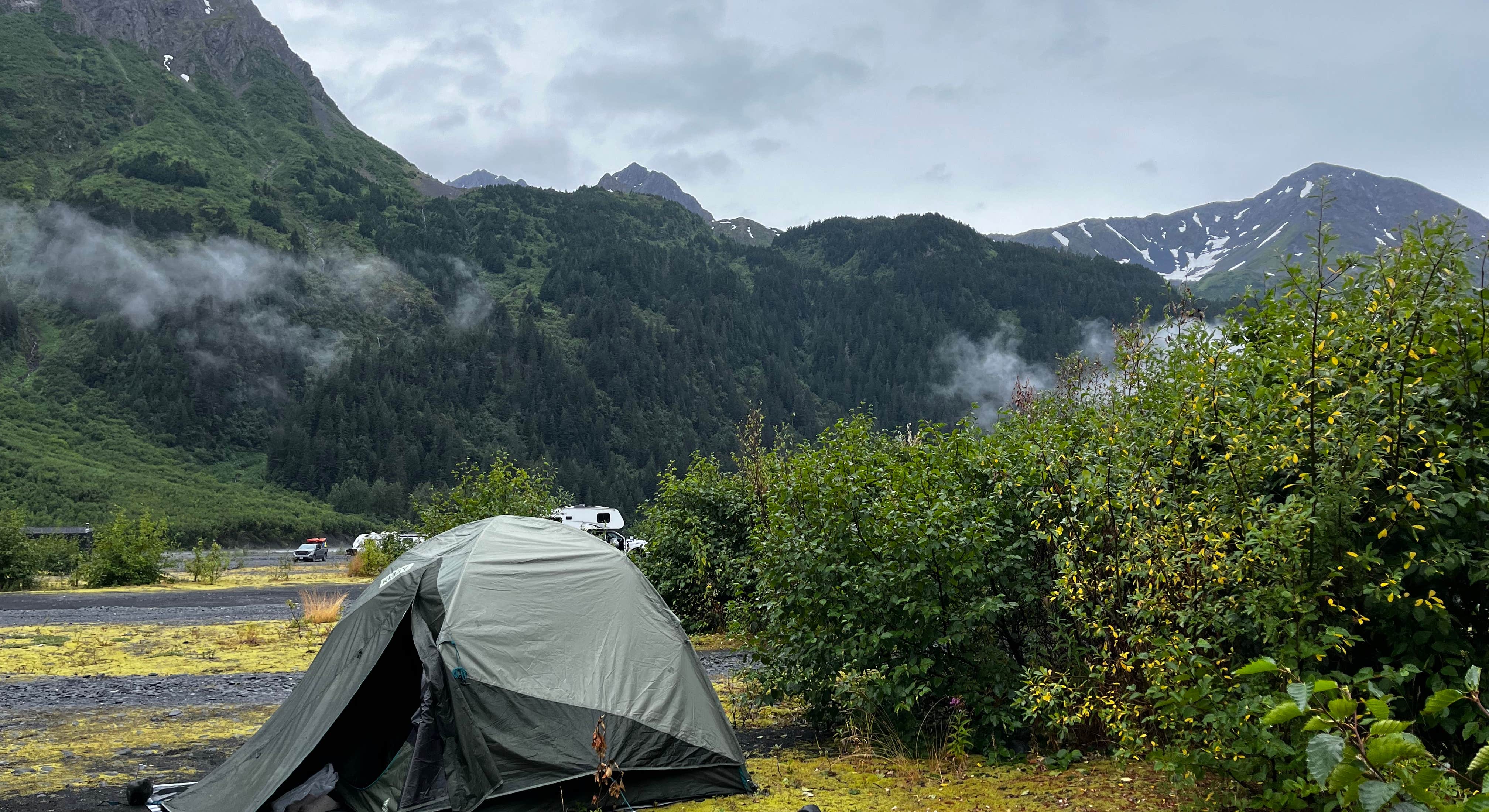 Photo by Gabriele B
Responsible Camping Practices 
Leave No Trace in Kenai Fjords
Camping in this fragile coastal ecosystem comes with the responsibility to minimize your impact. Following Leave No Trace principles is critical, especially since services are few once you leave the road. Some key practices:
Pack It In, Pack It Out: Whatever you bring into the park - you must take back out. This includes obvious trash like food wrappers, bottles, and fishing line, but also leftover food scraps and biodegradable items. Animals will dig up even coffee grounds or orange peels, so do not bury them. At established sites, use the provided trash cans (Exit Glacier has bear-proof dumpsters by the parking lot). In the backcountry or at cabins, secure your trash with your food (so bears cannot get it) and carry it back to town. Campers should also minimize potential trash by repackaging food beforehand (for example, put that boxed mac and cheese into a ziplock bag and leave the box at home). The less garbage you produce, the easier this is.
Use Established Campsites: At Exit Glacier Campground, obviously stick to the defined tent pads. For dispersed camping near Seward or along the coast, choose sites that are already impacted. Often you will find clearings or previous beach fire rings - use those rather than making a new spot. This concentrates any human impact in one area instead of trampling vegetation all over. When beach camping, camp on durable surfaces like gravel, rock, or sand above the high tide line rather than on fragile moss or meadow areas. If you have to camp on vegetation, limit it to one night and move your tent more often to avoid killing plants. In the national forest, many gravel bar sites along rivers exist - those make great low-impact choices. Always check if camping is allowed and if any restrictions apply (some areas might require use of designated sites only).
Fire Care and Wood Collection: Where fires are permitted (Exit Glacier's communal fire pit, or on ocean beaches), keep them small and controlled. Only use dead and down wood - never cut live trees or branches. In the rain forest environment, dead wood is critical habitat, so avoid burning big logs that could serve as nurse logs. On beaches, driftwood is your source and there is usually plenty washed up. Build your fire below high tide line on wet sand or gravel so the ocean will naturally wash the site (and scatter cooled ashes) when the tide comes in. Always fully extinguish fires you are not attending - douse with plenty of water and stir until ashes are cold. Never leave a fire smoldering overnight or when you depart a site; winds can come up and send embers into the forest unexpectedly. Many backcountry users forego campfires altogether and rely on stoves, which is the safest approach in a wilderness area.
Respect Wildlife: You are visiting the animals' home - keep that perspective. That means not only maintaining distance (as covered in Wildlife Safety) but also altering your behavior to avoid disrupting them. For example, yield quietly if you encounter an animal on a trail; do not yell or make sudden movements to chase it off - give it time to move. Around marine mammals, if you are in a kayak or boat, do not deliberately approach or chase them for a closer photo; instead, stop paddling and observe quietly - let them decide how close to come. If a sea otter or seal pops up near you, enjoy it but resist the urge to follow when it swims away. When fishing or cleaning fish, do so in designated areas and immediately secure fish waste - seagulls and bears are quick to home in on fish guts, which can lead to dangerous situations. Lastly, never feed wild animals, period. This includes those cheeky campground ravens or squirrels - human food is harmful to them and creates bad habits. A fed animal often ends up a dead animal, as the saying goes, especially in bear country.
Minimize Human Impact on Waterways: The waters of Kenai Fjords and its rivers are crystal clear and support rich life - help keep them that way. Soap, even biodegradable soap, should be kept out of streams and lakes. Do all washing (dishes, yourself) at least 200 feet from any water source and scatter your used water on the ground far from shore. At cabins, follow instructions for gray water disposal (some have buckets or designated areas). If you are primitive camping, consider bringing a portable camp shower or a simple basin; even though it is tempting to rinse off in an icy creek, using sunscreen/bug spray-covered skin or soap directly in the water can introduce pollutants. Human waste is another issue: if you are in the backcountry and no toilet is available, the park prefers you use RESTOP bags or similar pack-out systems. If that is absolutely not possible, you would have to dig a cathole 6-8 inches deep and 200 feet from water, and cover it thoroughly - but in popular spots or sensitive alpine areas, catholes are not sufficient. More and more, ethical practice is to pack out solid waste. It may sound unappealing, but those cleanwaste bag kits make it not too bad, and it prevents future campers from finding surprises or contaminating water sources. Finally, do not dump food scraps in water either (fish might eat them but it is not natural food and can create imbalance). Keeping water clean allows the next person to drink from that clear stream and keeps fish and otters healthy.
By following these responsible camping practices, you will help keep Kenai Fjords wild and unspoiled. The goal is for it to look like you were never there - except perhaps for your footprints in the sand, which the next tide will wash away. Enjoy the park knowing you are doing your part to protect it for future generations and for the wildlife that call it home.
Frequently Asked Questions 
When does the Exit Glacier Campground open and close for the season? The campground typically opens in late May once the road to Exit Glacier is plowed and snow has melted off the sites. This timing can vary - some years it is just before Memorial Day, other years the first week of June if spring was cold.
Do I need to make reservations to camp in Kenai Fjords? For the Exit Glacier Campground, no reservations are possible - it is strictly first-come, first-served. So you cannot book a site in advance; you just show up and claim any open spot.
Are RVs or trailers allowed in Kenai Fjords National Park campgrounds? Not inside the park - unfortunately Kenai Fjords NP has no roads beyond the Exit Glacier area, and that single campground is tent-only. RVs and trailers cannot drive into the tent loop or stay overnight at the trailhead parking either (the park prohibits overnight parking there to prevent folks from informally RV camping).
How bad are the mosquitoes when camping in Kenai Fjords? In town (Seward) and on the coast, mosquitoes are actually not too bad due to ocean breezes - you will encounter more small gnats or no-see-ums on calm days. However, at wooded sites like Exit Glacier Campground or Trail River, and especially in June and early July, mosquitoes can be quite pesky.
What should I do if I encounter a bear while camping or hiking? First, be sure you are taking preventative steps: store all food properly, make noise on trails, and carry bear spray. But if you do come upon a bear, the response depends on the situation.
Is it safe to drink the water from streams or lakes in the park? The freshwater in Kenai Fjords is generally clean (no industrial pollutants) but it is not safe to drink untreated due to the risk of Giardia and other natural parasites. You should always purify water from streams, creeks, or lakes before drinking.
What is the best way to get around if I do not have a car or RV? Can I still camp? Yes, you can! Getting to Seward without a car is possible via the Alaska Railroad or bus/shuttle services from Anchorage.
Can I have campfires, and is there firewood available? Campfires are permitted in certain places: at the Exit Glacier Campground, there is likely a shared fire ring near the picnic shelter (individual sites do not have fire pits). You can use that, assuming no fire ban in effect.
What wildlife am I likely to see while camping? You will definitely see smaller critters like ravens and magpies trying to scavenge at camps - secure your food! Red squirrels are around in the forested areas.
Planning Resources
Essential Kenai Fjords Links
- The Dyrt's Kenai Fjords Campground Search - Reviews and availability info for campgrounds in and around Kenai Fjords (Seward area, National Forest, etc.)
- Kenai Fjords National Park Official Site - National Park Service page with current conditions, area maps, and visitor info (including any alerts or bear advisories)
- Recreation.gov - Kenai Fjords Public-Use Cabins - Booking platform for Aialik Bay, Holgate Arm, and Willow cabins (Reserve early; site includes cabin details and availability calendar)
- Kenai Fjords Current Conditions and Alerts - Up-to-date information on road status (Exit Glacier Road openings/closures), trail conditions, and any campground or area closures
- Alaska Marine Weather Forecast - NOAA marine forecast for Resurrection Bay and Kenai Fjords (critical for boat/kayak trip planning and water taxis)
- Seward Camping and RV Information - City of Seward Parks and Campgrounds page (details on waterfront campgrounds, fees, and public shower locations in town)
- Exploring Alaska's National Parks - The Dyrt's guide to camping in Alaska's national parks
- Where to Camp in Alaska This Summer - Seasonal camping recommendations across the state
Kenai Fjords Reservation Timeline
| Time Period | Reservation Task | Platform/Details |
|---|---|---|
| January 1 (or 6+ months before) | Reserve public use cabins | Recreation.gov opens Kenai Fjords summer cabin dates Jan 1 at 10 AM EST Book Aialik/Holgate quickly due to high demand |
| 3-4 Months Before Summer | Book private campsites and tours | Reserve private campgrounds (KOA, etc.) especially for July Book glacier boat tours or fishing charters in advance |
| 1-2 Months Before | Plan activities and gear | Secure kayak rentals or guided trips if desired Make sure you have bear spray, rain gear, and any special equipment ready |
| 1-2 Weeks Before | Re-check conditions and supplies | Check NPS current conditions for any new alerts (road, bears, weather) Purchase fuel, bear spray, bug repellent, etc., if not available in Seward |
| Day Before Arrival | Final prep | Check weather forecast and marine forecast for your stay Freeze water bottles to double as ice in cooler (for car campers) |
Kenai Fjords Camping Checklist
Trip basics
- Campsite confirmations (or backup options)
- Park entrance/fees info (as applicable)
- Offline maps downloaded
- Cash/card for showers, laundry, firewood, and parking
Camping setup
- Tent + rainfly + ground tarp
- Sleeping bag + pad
- Camp stove + fuel + lighter
- Water containers + treatment (where needed)
Clothing
- Waterproof layers (jacket + pants)
- Warm layers for nights
- Extra socks and gloves
- Sturdy shoes for wet trails
Safety
- Bear-safe food storage plan (bear box, hard-sided vehicle, or approved container)
- First aid kit
- Headlamp
- Bug protection
With the right preparation, camping near Kenai Fjords National Park can be a rewarding way to experience one of Alaska’s most dramatic coastal landscapes. Limited road access, fast-changing weather, and wildlife considerations mean planning ahead is essential, but those same factors help preserve the park’s wild character.
Whether you’re camping near Exit Glacier, setting up a basecamp in Seward, or venturing into the backcountry by kayak or water taxi, Kenai Fjords National Park camping offers a rare chance to camp alongside tidewater glaciers, rugged fjords, and rich marine ecosystems. By choosing the right campground, respecting park regulations, and preparing for Alaska’s conditions, you’ll be well equipped for a memorable and responsible camping experience in Kenai Fjords National Park.