Rustic camping near Chugach National Forest typically peaks during June through August when temperatures range from 50-70°F during the day and 40-50°F at night. The forest encompasses nearly 7 million acres of diverse terrain from sea level to 13,000 feet in elevation. Winter conditions can arrive as early as September at higher elevations, with snow lingering on trails through June.
What to do
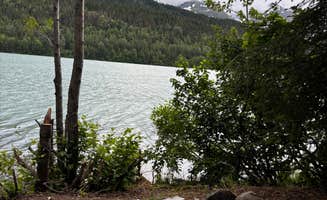
Wildlife viewing opportunities: Near Moose Pass, visitors can watch seaplanes taking off from the adjacent lake. "Seaplanes take off from lake during the day - pretty awesome," notes Kevin H. This activity provides an unexpected aviation spectacle during daytime hours.
Hiking access: Lost Lake Trail offers a challenging 7-mile route with significant elevation gain. "After a 2-mile incline hike the trail opens up and levels off half way in," explains Tanya B. The trail is particularly popular during July and August when alpine wildflowers bloom.
Mobile sauna rental: A unique activity available at Exit Glacier Road Designated Special Use Area allows campers to rent a portable sauna delivered right to their campsite. "We rented mobile saunas, and I highly recommend doing it, it was awesome!! Here is the info: https://sewardsaunas.com/" shares Les R.
What campers like
Easy access to towns: Many campers appreciate the proximity to local amenities. "Very close to Seward activities and Exit Glacier - Harding ice field hikes," reports Wes C., noting the convenience for planning day trips from camp.
Privacy despite popularity: Even during busy periods, the dispersed sites provide adequate space. "There was plenty of space between each party, so it felt relatively private," describes Les R. about their experience at Decision Point Dispersed Camping.
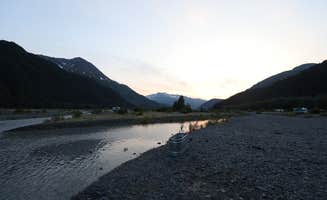
Natural features: The river access available at several sites receives positive mentions. "Beach access through a short trail so we were able to explore and not a lot of road noise," notes Riley N. about NF FH-14 Pullout Dispersed camping areas.
What you should know
Vehicle requirements vary: Many dispersed sites require appropriate vehicles. "The entrance is pretty narrow so it might not be best for anything larger than a truck camper or van," warns Kathryn F. about one location. Some roads become progressively more challenging beyond the trailhead.
Stay limits enforced: At Ruth Arcand Park, regulations specify maximum stay durations. "Good low-key place to be, just stay respectful of the area and don't bother anyone, you'll be left alone," advises Robin H., emphasizing the importance of following local rules.
Site identification challenges: Finding the correct entrance to some camping areas requires vigilance. "The little road can be hard to spot, we drove right passed it the first time," mentions Les R., suggesting campers may need to research specific landmarks before arrival.
Tips for camping with families
Safety planning: Weather conditions change rapidly at higher elevations. Skip C. recommends, "Watch the weather waves can build up quickly," particularly important when camping with children at coastal sites where sudden storms can develop.
Entertainment options: The float planes at Moose Pass provide natural entertainment. "Saw two seaplanes take off from the lake (take the Southern spot for this)," suggests Jessica K., making this spot particularly interesting for children fascinated by aircraft.
Noise considerations: NF FH-14 Pullout Dispersed sites have varying noise levels from nearby roads. Riley N. states, "Not a lot of road noise," making some locations better suited for families seeking quieter environments.
Tips from RVers
Entrance navigation: Large vehicles require careful assessment of access points. "The entrance comes up quick and has huge rocks blocking part of the road. We blew by it the first time and said no way," reports Kristi D., who eventually succeeded with careful driving.
Leveling challenges: Terrain at many sites requires preparation for uneven ground. "Big gravel like space but isn't level so you need to drive slow, but you can find a level spot to camp for the night," suggests Kristi D. Bringing leveling blocks is recommended for most dispersed sites.
Connectivity information: Cell service varies significantly by carrier and precise location. "Starlink, Visible/Verizon and Cricket/Att all good," reports Kevin H. about Moose Pass, valuable information for RVers needing to maintain communications.





 Legend


