
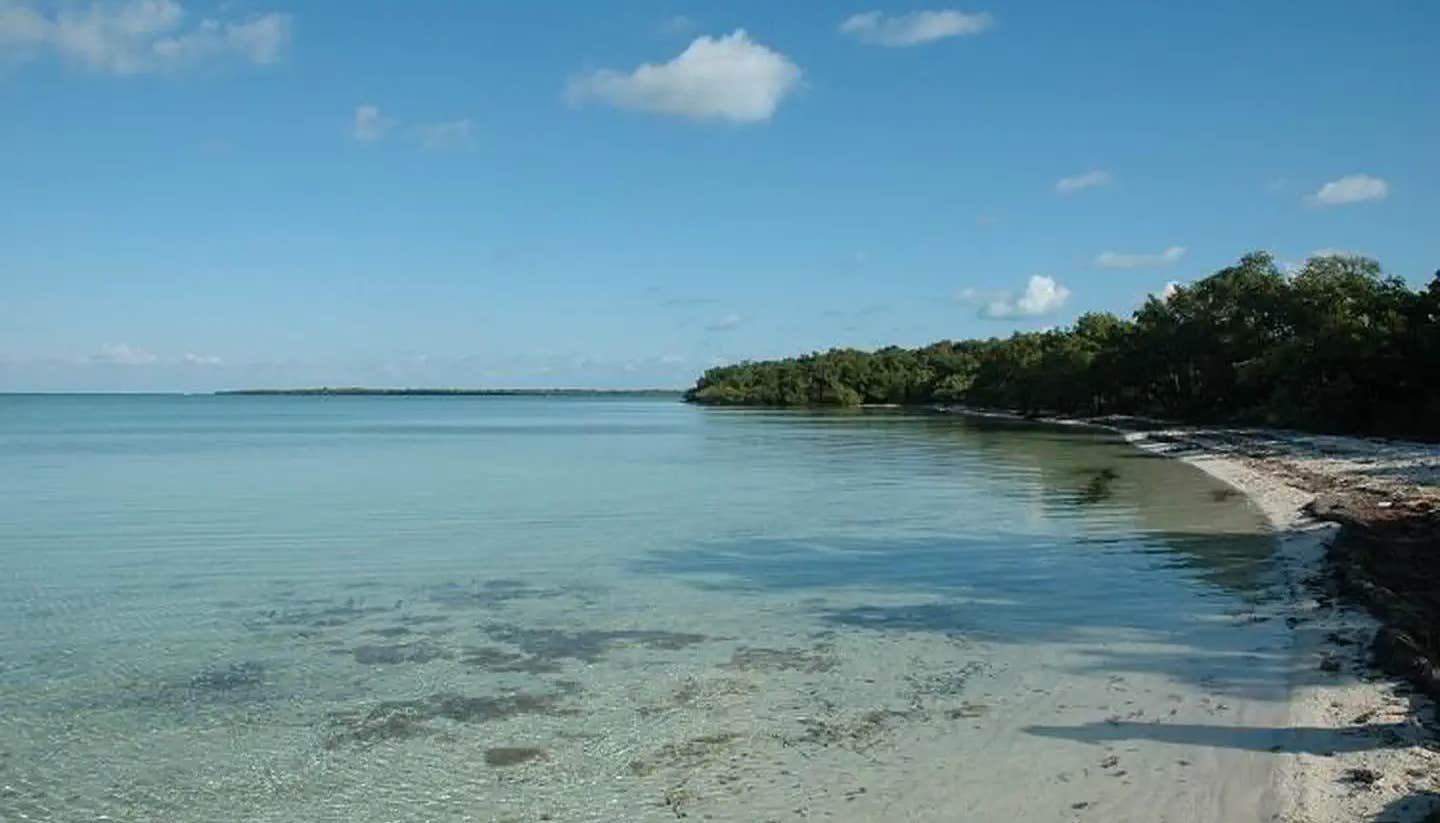
 Photo by The Dyrt
 Biscayne National Park Complete Camping Guide
Florida's Biscayne National Park offers a camping experience unlike any other, with 95% of the park covered by the turquoise waters of Biscayne Bay. Two boat-accessible island campgrounds - on Boca Chita Key and Elliott Key - allow tent campers to sleep under palm trees and star-filled skies just a short distance from vibrant coral reefs. For those without a boat or seeking more amenities, several mainland campgrounds near Biscayne National Park provide RV and tent sites with full facilities, serving as convenient base camps for island adventures. Whether you're anchoring offshore and pitching a tent on a tropical isle or parking an RV under the South Florida sun, camping around Biscayne blends coastal adventure with easy access to Miami and the Florida Keys region. This guide covers everything you need to know to plan, book, and enjoy a Biscayne camping trip, with practical advice from campers who've been there.
Biscayne National Park Camping at a Glance
All Biscayne campgrounds require boat access for island camping, with no advance reservations needed. The two in-park campgrounds operate strictly first-come, first-served. Weekend arrivals should plan for potential crowds, though the open camping areas rarely reach capacity except during major holidays. For 2025, the park has introduced a new payment system via Recreation.gov's mobile app, allowing campers to scan QR codes on-site to pay the $25 nightly fee.
Island camping costs $25 per night (covering up to 6 people), while mainland campgrounds range from $30-$80 per night depending on amenities. The park itself has no entrance fee, making it one of the most affordable national park camping destinations. Year-round camping is available, though winter (December-February) offers the most comfortable conditions. Summer nights remain warm in the upper 70s°F, with humidity and afternoon thunderstorms common from June through October.
Biscayne National Park Campground Quick Facts
| Quick Facts | Details |
|---|---|
| Number of Campgrounds | 2 in-park campgrounds on islands (Boca Chita Key & Elliott Key), plus numerous private, state, and county campgrounds on the nearby mainland |
| Total Campsites | Unlimited tent space at island campgrounds (first-come areas, no designated numbered sites) Mainland options: Larry & Penny Thompson Park (240 sites), Miami Everglades RV Resort (300+ sites) |
| Campsite Costs | $25 per night for in-park island camping (covers up to 6 people) Mainland campground fees range $30-$80 per night |
| Reservation Platforms | No advance reservations for Boca Chita or Elliott (first-come only) Mainland campgrounds: various (Florida State Parks online; private resort websites or phone) |
| Camping Seasons | Island campgrounds open year-round (weather permitting) Mainland campgrounds open year-round |
| Temperature Ranges | Winter: Days 73-75°F, Nights 60-65°F (dry, breezy) Summer: Days 88-92°F, Nights 78-80°F (humid, thunderstorms common) |
| 2025 Updates | No park entrance fee for Biscayne (free access) New payment via Recreation.gov app (scan QR code on-site) Hurricane season runs June-Nov |
Biscayne Campgrounds: Complete Guide
Biscayne Island Campgrounds (Boat Access Only)
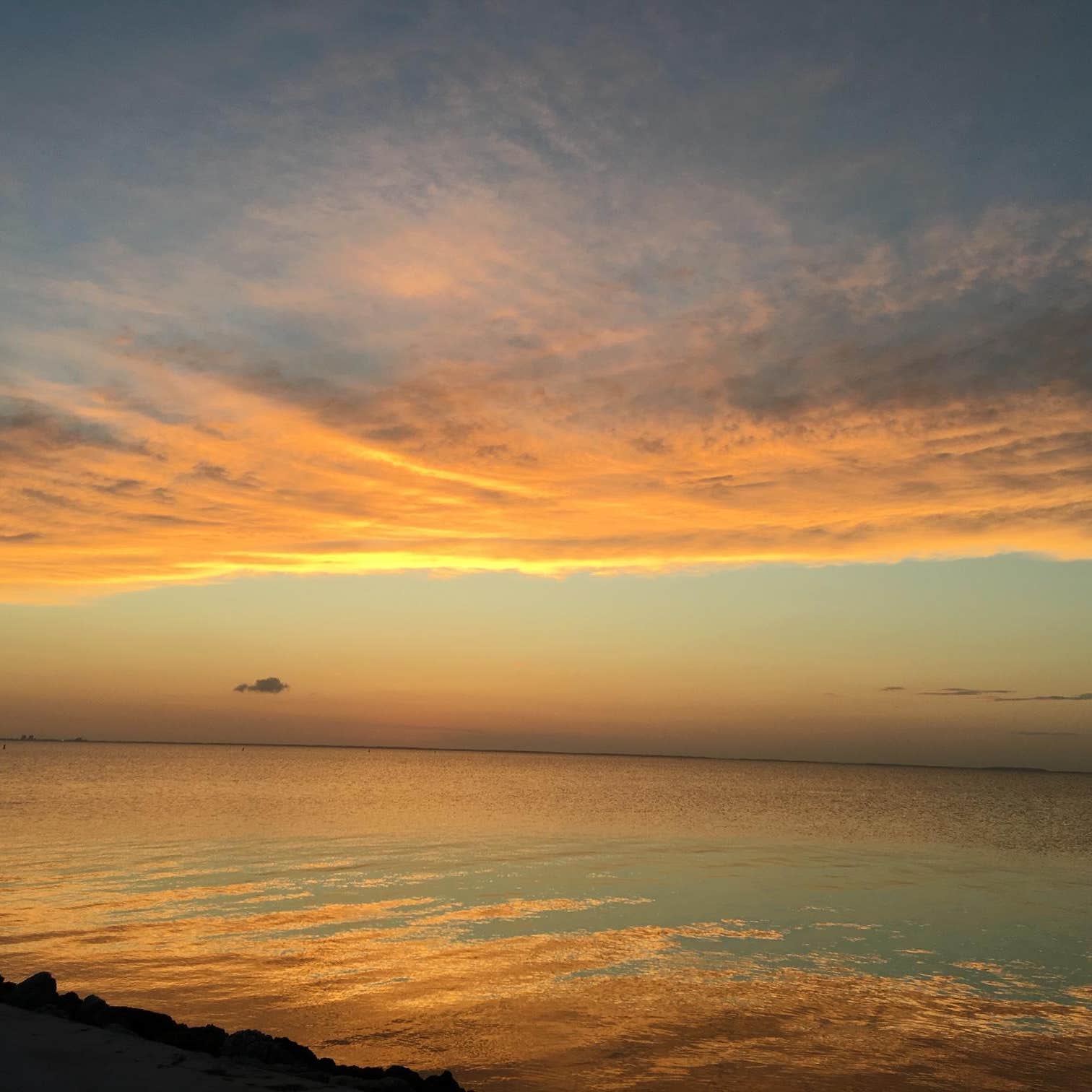
Elliott Key — Biscayne National Park
Elliott Key Campground sits on Biscayne's largest island and provides a more tranquil boat-in camping experience. Accessible only by boat (about 7 miles offshore from the mainland), Elliott Key has tent camping areas on both the bayside and oceanside of the island, set amid swaying coconut palms and hardwood hammock. The campground features picnic tables, grills, and restrooms with flush toilets and cold-water showers - a welcome amenity for an island camp. Drinking water is usually available from a solar-powered system (campers are advised to bring some of their own in case of outages). Elliott Key's marina has 33 boat slips for overnight docking (fees required). There are no electricity hookups or stores - this is true off-grid camping. A mile-long loop trail and the 6-mile 'Spite Highway' trail invite campers to explore the island's interior. First-come, first-served camping means arriving early on holiday weekends, but on typical days you'll find space. Campers rave about Elliott Key's sunsets, clear snorkeling waters, and the peaceful, far-from-the-city ambiance that makes it feel like your own private island.
Mainland Campgrounds Near Biscayne National Park
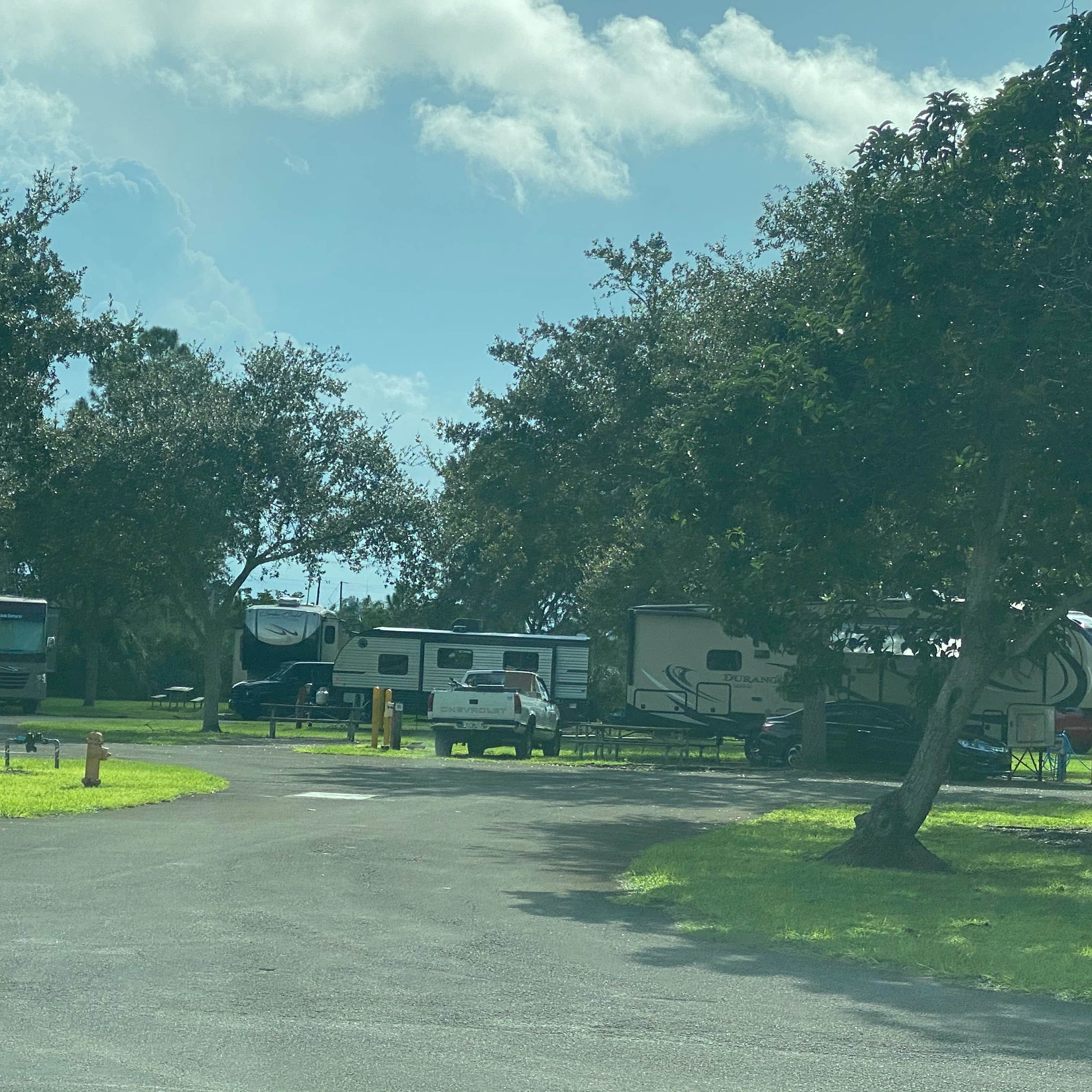
Larry & Penny Thompson Park
Larry & Penny Thompson Park (Miami, FL) is a large county-run campground about 15 miles from Biscayne's visitor center. Its 240 sites are organized in pods beneath pine trees and tropical foliage, accommodating everything from big RVs (full hookups available) to tents (designated tent area with a lower nightly rate). The park features clean bathhouses with hot showers, a laundry, and even a seasonal swimming pool and water slide for guests. Campers appreciate the quiet, family-friendly atmosphere and the park's convenient location - it's adjacent to Zoo Miami and roughly a 30-minute drive to Biscayne NP's boat ramps and Everglades NP's entrance. Reservations are recommended in winter when snowbirds fill the park for long-term stays (monthly rates available), while in summer you can often find spots last-minute. Larry & Penny is praised as a 'great base camp' for exploring Biscayne, Everglades, and the Miami area without breaking the bank on accommodations.
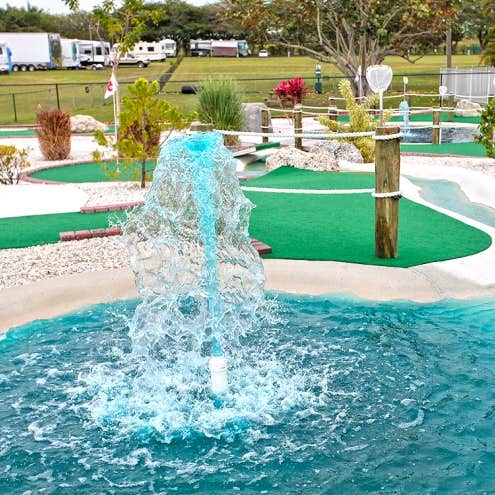
Encore Miami Everglades
Miami Everglades RV Resort (South Miami, FL) is a 34-acre private campground offering a tropical vacation-camping vibe about 18 miles from Biscayne. With over 300 sites (full hookups for RVs, plus a few tent sites and rental cabins), this resort-style campground is packed with amenities: a palm tree-ringed swimming pool, hot tub, pickleball and shuffleboard courts, mini-golf, and a dog park. Guests describe a friendly community atmosphere with frequent events like weekend cookouts, karaoke nights, and farmers' markets. The campground is surrounded by orchards of mangoes and avocados, giving it a unique rural charm despite being within an hour of Miami's beaches. It's an easy 30-minute drive to Biscayne National Park's visitor center for boat tours, and equally close to Everglades National Park. While sites are somewhat close together (typical of RV parks), most campers enjoy the lively yet relaxing environment. Reservations are accepted year-round; winter is busiest with long-term RVers, so book ahead for peak season.
Long Pine Key Campground — Everglades National Park
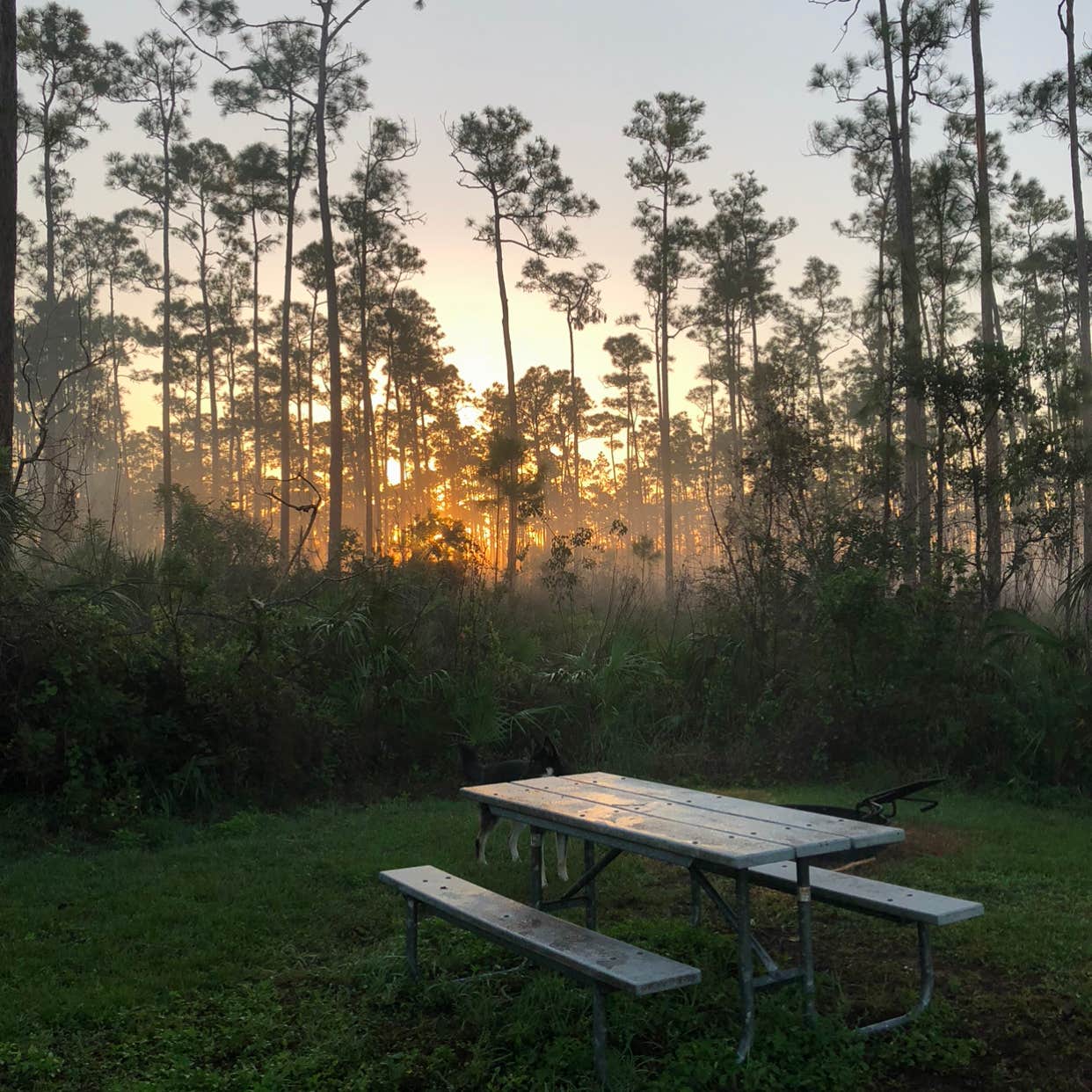
Long Pine Key Campground (Everglades NP) is about 30 miles from Biscayne and provides a peaceful, natural camping experience that some Biscayne visitors include in their trip. Set in a pine rockland forest near Homestead, this national park campground features 108 spacious sites suited for tents or RVs (no hookups). It's open seasonally (Nov-May) and operates on a mix of reservations and first-come availability. Campers enjoy the quiet, 'old Florida' atmosphere - sites are separated by palmettos and pine trees, and there's a pretty lake with a short trail (no swimming) at the campground. Amenities are basic but adequate: flush restrooms, drinking water, picnic tables, fire rings, and cold-water showers. Long Pine Key's location is ideal for exploring Everglades NP (just 7 miles from the entrance); it's also about a 40-minute drive from Biscayne NP's visitor center, making it feasible to visit both parks. This campground is known for its dark night skies and wildlife sightings.
Southern Comfort RV Resort
Southern Comfort RV Resort (Florida City, FL) is a laid-back private campground about 18 miles southwest of Biscayne National Park, near the gateway to the Florida Keys. With approximately 150 sites, including full-hookup RV spots and a few cabins and tent areas, Southern Comfort provides a casual, no-frills base camp for exploring Biscayne, Everglades, and Key Largo. Amenities include a swimming pool and a tiki bar that comes alive on weekends (karaoke and live music), giving the campground a fun social vibe. The facilities are a bit dated but include the essentials: restrooms, hot showers, and laundry. Many sites have shade from mature trees. What Southern Comfort lacks in polish, it makes up for in convenience and affordability. It's right off US-1, meaning you can be driving to Biscayne National Park's visitor center or Everglades entrances in 20-30 minutes.
Biscayne NP Campground Comparison Table
| Campground | Location & Sites | Cost & Reservations |
|---|---|---|
| Boca Chita Key | Island in Biscayne Bay (boat access only) Open field camping (tents only) | $25/night per group (up to 6 people) No reservations (first-come) |
| Elliott Key | Largest island in park (boat access) Tent camping + 33 boat slips | $25/night camping No reservations (first-come) |
| Larry & Penny Thompson | Miami mainland - 15 mi from park 240 sites (RV hookups + tent area) | $28/night tent, $60-$80/night RV Reservations recommended |
| Miami Everglades RV Resort | Homestead area - 18 mi from park 300+ sites (full hookups, cabins) | $50-$70/night Reservations accepted |
Campground Amenities and Best Uses
Island Campgrounds: Boca Chita Key and Elliott Key offer immersive outdoor experiences for tent campers near Biscayne with boat access. Amenities are primitive: picnic tables, grills, and basic restrooms. No electricity, stores, or fresh water means you bring all supplies. In exchange, you get incredible sunrises, snorkeling from shore, and quiet nights with ocean breezes. Boca Chita tends to draw weekend crowds, while Elliott Key often offers more solitude.
Mainland Campgrounds: Larry & Penny Thompson Park and Miami Everglades RV Resort provide full facilities for RV camping near Biscayne, families, or tent campers preferring comfort. You'll find hot showers, electricity, pools, and nearby stores. These campgrounds position you close to grocery stores and restaurants while providing easy day-trip access to the park.
 Photo by SwitchBackKids
Planning Your Biscayne Camping Trip 
When to Visit Biscayne National Park
| Season | Temperatures | Camping Conditions |
|---|---|---|
| Spring (March-May) | Highs 75-85°F Lows 66-74°F | Pleasant warm days, mild nights. Excellent for boating and snorkeling. Increasing humidity by late May. Mosquitoes emerge as rains start. |
| Summer (June-August) | Highs 87-92°F Lows 78-82°F | Very hot and humid with daily afternoon thunderstorms. Hurricane season peaks. Fewer tourists, more vacancies. Water temps ideal for swimming. Be prepared for intense sun and bugs. |
| Fall (September-November) | Highs 86-80°F Lows 78-70°F | Early fall hot with potential hurricanes. By October, rain drops and temperatures ease. Late October-November excellent: warm days, cooler nights, fewer mosquitoes. |
| Winter (December-February) | Highs 73-78°F Lows 60-68°F | Dry season - most popular time. Comfortable days, bug-free, breezy nights. All campgrounds busiest. Occasional cold fronts bring strong winds. Reserve mainland spots far ahead. |
Spring (March-May): Early spring brings warm, dry weather with sunny days in the upper 70s to low 80s°F. By May, temperatures climb into the mid-80s with more frequent afternoon showers. Crowds are moderate except spring break in late March. Great time for tent campers wanting to avoid both winter crowds and summer heat. Pack light rain jacket and mosquito repellent.
Summer (June-August): Off-peak season with fewer tourists and available campsites. Daytime highs near 90°F with high humidity. Afternoon thunderstorms are common but usually brief. Bugs (mosquitoes, no-see-ums) peak in early summer. Bay water temperature around 85°F - ideal for extended snorkeling. Hurricane season peaks August-September. Some mainland RV parks offer discounted summer rates. Plan activities for early morning or late afternoon.
Fall (September-November): September remains hot with potential hurricane activity. By mid-October, cold fronts bring drier air and comfortable temperatures. Mosquitoes diminish after first cool fronts. November offers excellent weather similar to winter but without full tourist influx. Monitor tropical weather through early October. Campgrounds begin filling by Thanksgiving.
Winter (December-February): Prime time for Biscayne camping. Bright sunny days in the 70s°F, nights in the 60s. Low humidity and scarce rain. Bugs virtually nonexistent. Water temperatures in upper 60s to low 70s°F. All facilities open with full ranger programs and boat tours. Popular mainland spots sell out months ahead for January and February. Occasional cold fronts bring strong winds and crystal-clear skies.
Biscayne Reservation Systems Explained
Unlike many national parks, Biscayne's in-park campgrounds don't accept reservations. Boca Chita Key and Elliott Key operate strictly first-come, first-served. On typical weekends, you'll see 5-15 groups on each island. Holiday weekends can approach capacity. Have a backup plan if attempting holiday camping.
For Elliott Key, pay via Recreation.gov's mobile app by scanning the on-site QR code. Boca Chita uses an honor-system pay station near the harbor. Rangers may check for proof of payment.
Mainland campgrounds use various systems. Long Pine Key in Everglades uses Recreation.gov with rolling availability. Private RV parks like Miami Everglades RV Resort and Southern Comfort handle reservations through their websites or phone. During winter, many require deposits and minimum stays. Book 3-6 months ahead for winter season.
Tips: Island camps rarely "sell out" - you can almost always find space. Many visitors reserve mainland sites for nights before/after island adventures. Weather can disrupt plans during hurricane season. Flexible cancellation policies are worth considering.
Campground Costs and Budgeting
| Campground Type | Nightly Cost | Key Features |
|---|---|---|
| Island Campgrounds | $25 | Boca Chita & Elliott Key - covers up to 6 people, includes overnight docking |
| Public Mainland | $20-$40 | Larry & Penny Thompson, Long Pine Key - basic to moderate amenities |
| Private RV Parks | $50-$90 | Miami Everglades RV Resort - full hookups, resort amenities (winter rates higher) |
No Park Entrance Fee: Biscayne doesn't charge per vehicle or per person - your costs come from camping fees and boat transport, not gate fees.
Budget Strategies: Choose public campgrounds like Long Pine Key ($25 sites). Tent camping at private campgrounds costs $30 vs $80 for RV hookups. Share sites to split costs. Take advantage of free amenities at campgrounds.
Additional Costs and Budget Tips
Boat Transportation: Biggest "hidden" cost for island camping. If you own a boat, budget fuel and launch fees ($15-17/day at Homestead Bayfront or Black Point Marina). Without a boat, charter services cost $150-$300+ round-trip for two people. Splitting charter costs with other campers helps significantly.
Fishing & Gear: Florida saltwater fishing license: 3-day $17, 7-day $30, annual $47 (non-resident adult). Lobster permit additional if catching spiny lobster in season. Bring cooler and ice for catch.
Supplies: High-SPF reef-safe sunscreen ($15), quality insect repellent ($8-10). Battery-powered tent fan ($20-$40) for summer camping. Charcoal for grilling ($8/bag). Ice ($3-5/bag).
Food: Groceries in Homestead are reasonably priced. Overshop for island trips - better to have extra than run out. No stores on islands.
Essential Gear for Biscayne Camping
Shelter & Sleeping:
- Free-standing tent with fine mesh (for no-see-ums) and rainfly
- Ground tarp or footprint
- Sleeping pad (ground can be hard coral rubble)
- Lightweight sleeping bag or sleep sheet (nights are warm)
- Mosquito net or head net for buggy evenings
Kitchen & Food:
- High-quality cooler with block ice or frozen jugs
- Water containers: 1-2 gallons per person per day minimum (especially for Boca Chita - no water available)
- Camp stove and fuel
- Charcoal for grills
- Hard-sided cooler with latches (raccoon-proof)
- Biodegradable soap and wash basin
- Heavy-duty trash bags
Clothing:
- Long-sleeve UPF shirts and long pants (sun and bug protection)
- Wide-brimmed hat with strap
- Rash guard for snorkeling (sun and jellyfish protection)
- Water shoes or sandals, closed-toe hiking shoes, flip-flops
- Rain jacket or poncho (doubles as windbreaker)
- Light fleece or hoodie for winter evenings
Safety & First Aid:
- Comprehensive first aid kit including sting relief for jellyfish
- Reef-safe sunscreen (SPF 30+) and lip balm
- DEET or Picaridin insect repellent
- Headlamps with extra batteries (no lighting on islands)
- Whistle for signaling
- Reusable water bottles
Navigation & Communication:
- Printed navigation charts (cell service spotty)
- VHF marine radio if boating
- Portable power bank or solar charger
- Waterproof cases for electronics
- Offline maps downloaded to phone
 Photo by Alyssa D
Wildlife Safety and Park Regulations 
Wildlife Considerations in Biscayne
Raccoons: Chief campsite raiders on Biscayne's islands. Store all food and scented items in secure containers with tight latches. Never leave food scraps on tables or in tents. Raccoons can open zippers and pry open cheap coolers. Clean thoroughly after cooking. Treat your site like bear country - secure everything with an odor.
Marine Wildlife: Manatees frequent marina areas - maintain idle speeds in no-wake zones. Give them plenty of space; feeding or harassing is illegal. Dolphins are common and generally no threat. For snorkelers, watch for fire coral, jellyfish, and stingrays. Wear rash guards for sting prevention. Shuffle feet when wading to avoid stepping on stingrays. Rinse jellyfish stings with vinegar.
Sharks: Nurse sharks, reef sharks, and lemon sharks are common but generally ignore humans. Seeing sharks while snorkeling is exhilarating and rarely dangerous. Avoid swimming at dusk/night. Don't swim with open cuts. No spearfishing allowed in park.
Insects: Mosquitoes and no-see-ums can be fierce at dawn/dusk in warmer months, especially when wind is calm. Wear long sleeves/pants in evenings. Use head nets if needed. Ocean breezes usually keep bugs down. Portuguese man-of-war can drift in during winter east winds - don't swim if you see their blue floats on beach.
Park Regulations and Etiquette
| Regulation Category | Specific Rules | Penalties |
|---|---|---|
| Campfires | Only in designated grills/fire rings No open ground fires on islands Fully extinguish before leaving | Citations and fines Possible campground eviction |
| Quiet Hours | 10:00 PM - 6:00 AM Generators: 8:00 AM - 8:00 PM at Elliott | Warnings, possible removal |
| Wildlife & Fishing | No feeding wildlife Stay 50+ yards from manatees/dolphins Florida fishing license required (16+) | Fines up to $5,000 Citations for fishing violations |
| Pets | Leashed (6 ft max) at all times Allowed in developed areas only Prohibited on Boca Chita | Warnings, possible expulsion |
| Boating | Idle speed in harbors (protect manatees) No anchoring on coral reefs Use mooring buoys or sandy bottom | Hefty fines Damaging coral is federal offense |
Leave No Trace: Pack out everything you pack in, including food scraps. Don't remove shells, corals, starfish, sand, or natural objects. Legally caught fish/lobster in season is the only exception.
Waste Disposal: Use provided trash receptacles. If unavailable, carry trash to mainland. Human waste in designated toilets only.
Fires: Limited to grills and fire rings. Don't collect deadwood. Bring charcoal or locally-bought firewood. Obey fire bans.
Fishing: Florida saltwater license required. Protected zones exist where fishing is off-limits. No spearfishing or tropical fish collecting in park. Follow state seasons and limits. Lobstering Aug-Mar with permit.
Drones: Prohibited throughout Biscayne National Park. Can disturb wildlife and other visitors.
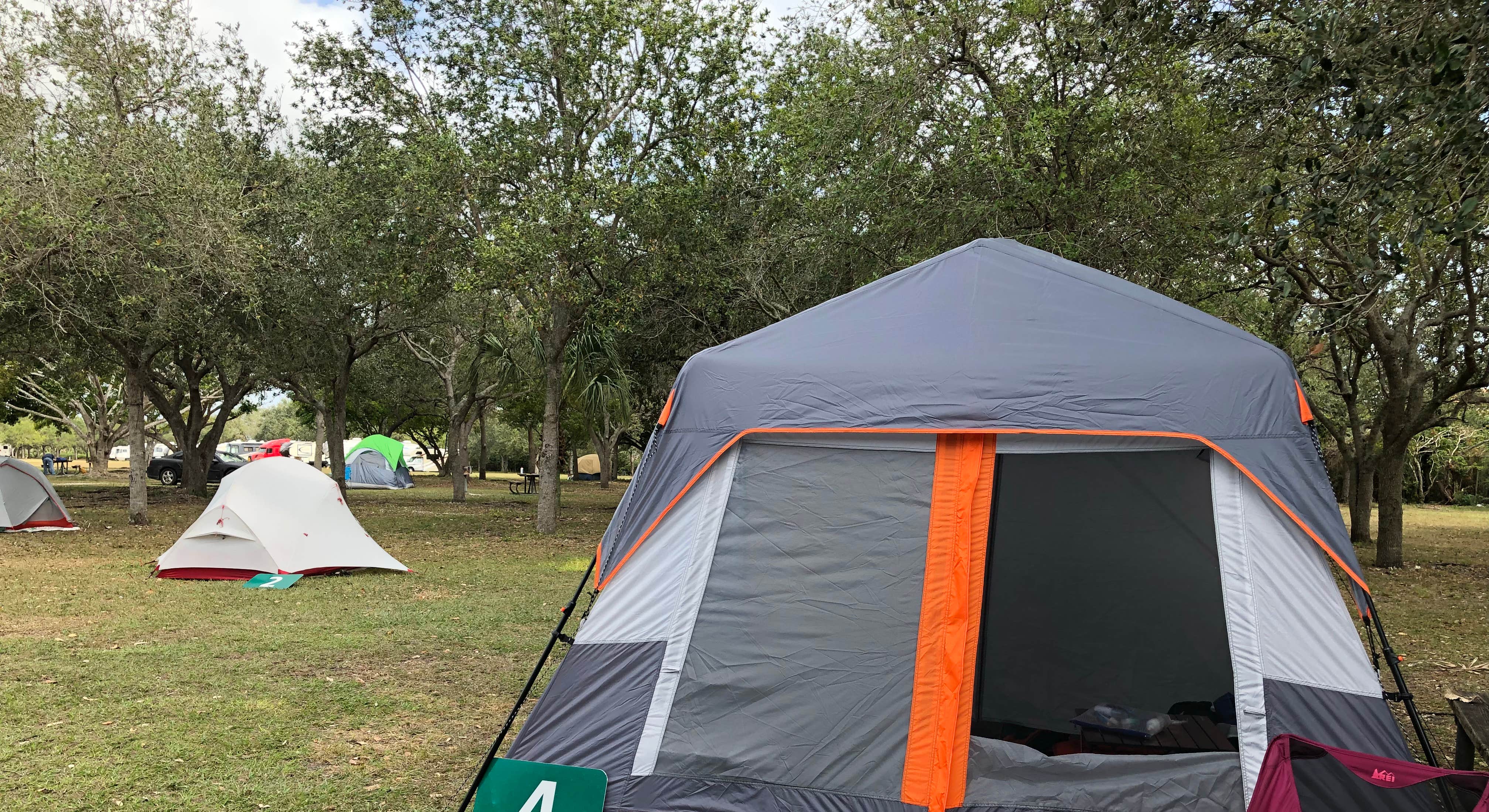 Photo by Sandra R
Beyond the Campground: Activities and Exploration 
Day Trips from Biscayne Campgrounds
From Boca Chita Key: Climb the historic lighthouse for 360-degree bay views. Kayak to Sands Key (2 miles south) for sand flats and starfish. Snorkel the harbor's rocky edges for tropical fish. Walk the short trail to see 1930s-era structures. Fish from the jetty for snapper. Enjoy sunset with Miami skyline views.
From Elliott Key: Hike the Elliott Key Loop Trail (1 mile) through subtropical hardwood hammock. Tackle sections of the 6-mile Spite Highway Trail for solitude and wildlife spotting. Cool off at the roped swimming area. Snorkel offshore patch reefs. Paddle mangrove coves on the bay side. Watch for phosphorescent plankton at the boat docks after dark.
From Mainland Campgrounds: Visit Biscayne Visitor Center (Convoy Point) for guided boat tours and snorkel trips. Drive to Everglades National Park (20-25 minutes) for the famous Anhinga Trail. Explore Key Largo (30-40 minutes) and John Pennekamp State Park for kayaking and glass-bottom boat tours. Visit Coral Castle and Robert Is Here fruit stand in Homestead. Day trip to Miami's South Beach (one hour).
From Long Pine Key: Drive to Flamingo area (7 miles) for canoe rentals and manatee tours. Hike or bike the Long Pine Key Trail network through pinelands. Stargaze at Pa-hay-okee Overlook after dark.
Top Hiking Trails Near Campgrounds
| Trail Name | Difficulty & Distance | Key Features |
|---|---|---|
| Elliott Key Loop Trail | Easy 1.0 mile loop | Shaded island path through tropical hardwood hammock; birds, butterflies, historic cistern ruins |
| Spite Highway | Moderate Up to 12 miles RT | Straight trail down Elliott Key center; sandy/rocky sections; solitude and varied ecosystems |
| Boca Chita Key Trail | Easy 0.5 mile loop | Short stroll past lighthouse, picnic areas, rocky shoreline; harbor views |
| Convoy Point Jetty Walk | Easy 0.4 miles RT | Paved path/boardwalk through mangroves to fishing jetty; manatee spotting |
| Anhinga Trail (Everglades) | Easy 0.8 mile boardwalk | Abundant wildlife (gators, herons); 45-minute drive from Biscayne |
Water Activities in Biscayne
Fishing: Popular catches include snapper, grouper, hogfish, and spiny lobster (in season). Elliott Key marina docks and Boca Chita seawall offer shore fishing. Florida saltwater license required (16+). No spearfishing or tropical fish collecting. Follow state seasons, bag limits, and protected zones.
Boating & Paddling: Bring your own boat or hire charter services. Familiarize yourself with channel markers - bay has shallow flats and seagrass beds. GPS/chartplotter extremely helpful. Kayaking from Convoy Point to Elliott Key mangroves (3 miles one-way) is popular but challenging in wind. Explore Jones Lagoon for crystal-clear shallows with baby sharks and rays.
Snorkeling & Diving: World-class snorkeling at outer reefs. Maritime Heritage Trail includes six shipwreck sites (Mandalay and Arratoon Apcar shallow enough for snorkeling). Use mooring buoys at popular sites: Hen and Chickens, Ajax Reef, Rainbow Reef. Park-concession snorkel tours available from visitor center. Near campgrounds, snorkel Elliott Key jetty rocks and oceanside rocky shelf. Always use dive flag. Don't touch coral.
Swimming: Elliott Key has roped swimming area on bay side (shallow, sandy bottom). Boca Chita has small sandy beach pocket on north end. No traditional beaches - shorelines are mangrove or rocky. Always swim with buddy. Watch for marine life. Stay hydrated and sun-protected.
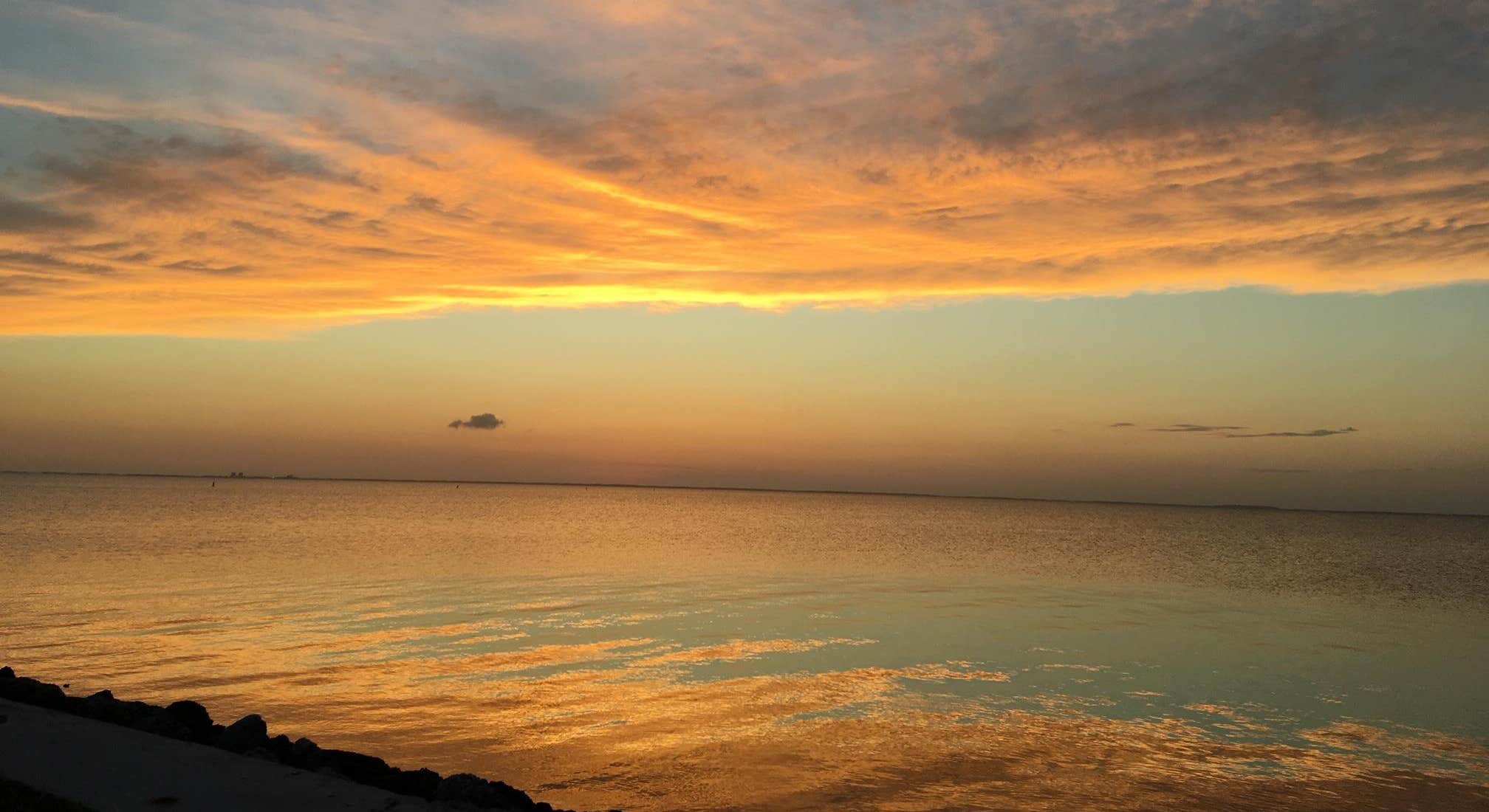 Photo by The Dyrt
The Dyrt Community Insights 
Ranger Recommendations
Boca Chita Best Times: Try Tuesday or Wednesday for virtually solo camping. Weekends get lively with boaters. Arrive early for best tent spots under palm trees. Pack portable radio - occasionally you'll pick up Bahamian stations adding tropical ambiance.
Hidden Gem: Long Pine Key Campground in Everglades offers serene contrast to Biscayne's coastal sites. Pine woods setting with starry skies, easier to get spots last-minute, and 45-minute drive to Biscayne's reefs. No light pollution - Milky Way visible on moonless nights.
Free Camping: Boaters can anchor off Elliott Key or in No Name Harbor and sleep on vessel - essentially free camping with million-dollar views. For non-boat owners in South Florida, free options are slim. Plan to pay for campgrounds in this region.
Top-Rated Sites from The Dyrt Community
| Category | Top Pick & Rating | Key Highlights |
|---|---|---|
| Highest-Rated In-Park | Elliott Key 4.7/5 | Spacious tent areas, cold showers available, serene environment, amazing sunsets, snorkel spots offshore |
| Best Mainland Base | Larry & Penny Thompson 4.5/5 | Great location and value, full amenities, friendly staff, perfect basecamp for Biscayne and Everglades |
| Most Popular RV Resort | Miami Everglades RV Resort 4.4/5 | Resort amenities (pool, sports), social atmosphere, proximity to parks, family activities |
| Best Island Charm | Boca Chita Key 4.0/5 | Historic lighthouse, waterfront picnic tables, gentle waves at night, unmatched stargazing |
Community Insights
Island Praise: Elliott Key delivers classic Robinson Crusoe experience with wildlife, clear water, and incredible stars. Sense of isolation despite Miami glow on horizon is rare find. Boca Chita praised for scenic charm and social atmosphere. Trade-off: occasional boat noise. Weekdays and off-season offer more tranquility.
Mainland Convenience: Larry & Penny Thompson works as central basecamp for Biscayne, Everglades, and even Key West day trips. Campers appreciate supermarkets and restaurants within minutes while maintaining easy park access.
Winter vs Summer: Winter visitors praise comfortable weather, no bugs, and busy-but-fun atmosphere. Summer campers mention heat and bugs but emphasize rewards: nearly solo island experiences, warmer water for night swims, bioluminescence, and discounted rates. First-timers should try winter or spring for best conditions.
Responsible Camping Practices 
Pack It In, Pack It Out: Remove every bit of garbage, including food scraps. Bring heavy-duty trash bags. If you see litter, pick it up. Many campers do quick beach cleanups before leaving. Leave campsite cleaner than you found it.
Respect Wildlife: Never feed animals. Store food securely. Maintain safe distances. Don't touch coral or capture creatures. Collecting live shells is illegal. Take only legally caught fish/lobster in season. Secure food and trash at night.
Minimize Fire Impact: Use only established grills/rings. Never build new fire pits. Bring charcoal or firewood (collecting deadwood prohibited). Keep fires small. Fully extinguish with water before leaving. Don't burn trash. Pack out cigarette butts.
Preserve Underwater World: Maintain neutral buoyancy while snorkeling/diving to avoid kicking corals. Use mooring buoys or sand patches - never anchor on coral. No spearfishing. Observe marine life quietly without poking or crowding. Respect no-access conservation zones.
Be Considerate: Keep noise reasonable, especially at night. Let nature sounds prevail. Share space graciously with other campers. Don't carve names in structures or trees. Leave shells and corals for others to enjoy.
Frequently Asked Questions 
When do I need reservations for Biscayne? In-park island campgrounds (Boca Chita and Elliott Key) don't accept reservations - strictly first-come, first-served. Mainland campgrounds vary. Book Larry & Penny Thompson and Miami Everglades RV Resort 3-6 months ahead for winter (December-March). Summer offers last-minute availability.
Are there first-come campgrounds? Yes, both in-park island campgrounds operate first-come, first-served. Pay $25 nightly fee via Recreation.gov mobile app (scan QR code) or cash honor box. Typical weekdays offer easy availability. Holiday weekends can approach capacity.
Best campground for families? Larry & Penny Thompson Park offers most family-friendly mainland option with 240 sites, hot showers, pool with water slide, and proximity to Zoo Miami. For island adventure, Elliott Key works better than Boca Chita due to roped swimming area and calmer atmosphere.
Can I camp in summer? Yes, year-round camping available. Summer (June-August) brings off-peak season with fewer crowds, warmer water (mid-80s°F), and discounted rates. Expect hot/humid conditions (90°F highs), daily thunderstorms, and peak mosquitoes. Bring battery fans for tents, plan activities early morning/late afternoon, and monitor hurricane forecasts.
How do I protect food from raccoons? Use hard-sided coolers with tight latches. Never leave food on tables or in tents. Store all food and scented items securely. Raccoons can open zippers and pry open cheap coolers. Clean thoroughly after cooking. Some campers store food in boats overnight.
What amenities are available? Boca Chita: flush toilets, picnic tables, grills, no potable water. Elliott Key: flush toilets, cold showers, picnic tables, grills, usually has potable water. Neither has electricity, stores, or cell service. Mainland campgrounds offer full amenities: hot showers, electricity, pools, laundry, nearby stores.
Is there an entrance fee? No, Biscayne has no entrance fee - free access. Only pay camping fees ($25/night for islands) and boat launch/marina fees. One of most affordable national park destinations. Everglades National Park charges $30 vehicle fee.
How do I reach islands without a boat? Hire private charter or water taxi ($150-$300+ round-trip). Join with other campers to share costs. Rent boat from mainland marinas if experienced. Park's Biscayne National Park Institute runs day trips but not dedicated camper ferry. Budget for boat transportation when planning.
Can I fish from islands? Yes, with Florida saltwater fishing license (required 16+). Elliott Key marina docks and Boca Chita seawall popular spots. Common catches: mangrove snapper, grunts, jack crevalle. No spearfishing. Lobster permit required for spiny lobster (Aug-Mar season). Follow all regulations.
Planning Resources
Essential Biscayne NP Links
- The Dyrt Biscayne Campgrounds - Reviews and booking info
- Best Camping at Biscayne Guide
- Florida Keys Camping Guide
- National Park Reservations Guide
- Biscayne National Park Official Website - Current conditions, regulations, park maps
- Biscayne National Park Institute - Guided tours, snorkel trips
- Recreation.gov Biscayne Info - Island camping fee payment system
- Florida Fish & Wildlife Regulations - Fishing rules, licenses
Biscayne NP Reservation Timeline
| Time Period | Task | Details |
|---|---|---|
| 11-12 Months Before | Book state park campgrounds for winter | Florida State Parks reservations open 11 months out |
| 3-6 Months Before | Reserve private RV parks | Contact campgrounds, especially for peak season |
| 1-2 Months Before | Plan boat logistics & tours | Secure charters, reserve snorkel tours |
| 1-2 Weeks Before | Check gear and weather | Confirm tropical gear, monitor NOAA forecasts |
| Day Before | Final prep | Freeze water jugs, charge batteries, download offline maps |
Biscayne Camping Checklist
Reservations & Permits:
- Boat transportation arranged or charter scheduled
- Recreation.gov app installed or cash for payment
- Florida fishing license (if fishing)
- Mainland campground confirmations
- Photo ID and credit card
Camping Gear:
- Tent with fine mesh netting and rainfly
- Light sleeping bags or sleep sheets
- Sleeping pads
- Mosquito netting or head net
- Battery-operated tent fan
- Headlamps with extra batteries
- Camp chairs and paracord
Kitchen:
- Hard-sided cooler with ice
- Water: 1-2 gallons per person per day
- Camp stove and fuel
- Charcoal for grills
- Biodegradable soap and wash basin
- Heavy-duty trash bags
- All utensils and cookware
Clothing:
- Long-sleeve UPF shirts
- Rash guard for snorkeling
- Water shoes, hiking shoes, flip-flops
- Rain jacket/poncho
- Wide-brimmed hat with strap
Safety:
- First aid kit with sting relief
- Reef-safe sunscreen
- DEET or Picaridin repellent
- Whistle
- Printed navigation charts
- VHF radio if boating
- Portable power bank
By preparing thoroughly and following Leave No Trace principles, you'll help keep Biscayne National Park the unspoiled tropical sanctuary it is. Whether falling asleep to gentle waves on Elliott Key or sharing stories at a mainland campsite, you'll create memories to last a lifetime. Enjoy every moment of your Biscayne camping trip!