Tent camping near Walker, West Virginia provides access to multiple primitive sites within the Wayne National Forest across the Ohio River in Ohio. Most campgrounds maintain a rustic character with basic facilities and gravel access roads. Summer temperatures frequently reach 85-90°F with high humidity, making spring and fall the most comfortable seasons for camping in this region.
What to do
Fishing opportunities: Benton's on the Baileys offers proximity to fishing locations. "Extremely private primitive camping surrounded by Wayne National Forest and steps from the Baileys Trail System," notes Keith B. The Little Muskingum River near Lane Farm Campground becomes "very shallow and slow moving in September," according to David M., making late summer ideal for wading.
Historic exploration: The region contains numerous historical structures beyond the covered bridges. "Within the national forest, you will find some historic covered bridges and quite a few hiking and horse trails," explains Keith B. from Benton's on the Baileys. Small churches, homesteads, and general stores dot the back roads within 15 miles of most camping areas.
Mountain biking: The Baileys Trail System has become a regional attraction. "This campsite is near the Baileys Bike System," confirms Keith B. Trails range from beginner to advanced difficulty levels with most intermediate routes featuring moderate elevation changes between 50-200 feet across 4-6 mile loops.
What campers like
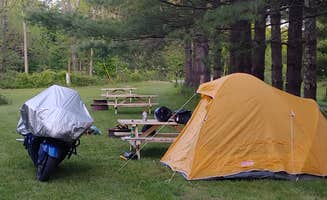
Affordability: Lane Farm Campground provides budget-friendly options. "Lane Farm is a gem for travelling motorcyclists. The rate as of 2025 is $10 and it is first come, first served for the 4 sites," reports David M. Most tent sites in the region remain under $15 per night, with several free options available.
Water access: Despite limited drinking water availability, many sites offer creek or river access. At Hune Bridge Campground, "The creeks are also great for fishing and float trips," and the campground "serves as the local 'take out' for the river," according to Jeff P., who notes you can "get kayaks, small boats, and canoes up the down the embankment."
Secluded locations: Many tent sites provide genuine isolation from crowds. "Very nice, private site...tucked out of the way. You have to walk to the site, up a steep hill, but it is very private and quiet," writes Emily M. about Benton's on the Baileys. Sites typically maintain 75-150 feet between camping spots with natural vegetation creating separation.
What you should know
Water planning required: Most sites lack potable water sources. "No drinking water is available and the creeks are quite muddy, so come prepared with water!" advises Jeff P. Pack at least 1 gallon per person per day, especially during summer months when creek levels drop significantly.
Limited connectivity: Cell service ranges from spotty to non-existent at most locations. "There is no phone service within 4-5 miles of the campground," notes Shari G. about Kinderhook Trailhead. Download maps and essential information before arriving, as signal strength drops quickly outside town limits.
Local traffic patterns: Some campgrounds experience periodic vehicle traffic. "Since the bridge is closed, a detour is available on the site, although it is not entirely clear," explains Jeff P. about Hune Bridge Campground. Several sites also note morning commuter traffic passing nearby camping areas on weekdays.
Tips for camping with families
Choose shaded sites: Heat management becomes critical during summer months. "No much privacy between sites but a good deal of shade, especially site #4 in the afternoon," notes a camper about Hune Bridge. Sites with eastern exposure receive direct morning sun, potentially warming tents by 7-8am during summer.
Prepare for bathroom limitations: Facilities remain basic throughout the area. At Baileys Trail Tent Camping, visitors find "Very nice bathroom/shower compared to what we expected," according to Alex A., but most locations feature only vault toilets with varying maintenance levels.
Consider weekday visits: Weekend popularity can limit availability at smaller campgrounds. "We were the only ones there," mentions David M. about a September weekday visit to Lane Farm, while noting all four sites can fill quickly on weekends, especially during summer months.
Tips from RVers
Size restrictions apply: Most sites accommodate smaller camping units only. "It's designed for tent camping, but Hamlet (our small camper) fit fine with strategic parking," explains a reviewer about Lamping Homestead Recreation Area. Maximum recommended RV length rarely exceeds 20 feet at most campgrounds in this region, with no dedicated RV hookups available.
Limited turning radius: Access roads typically feature tight turns and minimal pull-through options. The campgrounds primarily serve tent campers with limited space for larger vehicles to maneuver, especially during wet conditions when gravel roads become soft.
Bring leveling equipment: Most camping pads lack perfect grading. Site surfaces typically consist of packed gravel or bare ground with natural slopes between 1-3 degrees, requiring blocks or levelers for comfortable overnight parking of any hard-sided camping unit.







 Traveler


