Dispersed camping options near Sterling, Virginia are concentrated primarily in Shenandoah National Park, approximately 60 miles west of Sterling. This mountainous region ranges from 500 to 4,000 feet elevation with moderate humidity levels during summer months. Free camping near Sterling requires a backcountry permit from Shenandoah National Park but comes with significant hiking requirements.
What to do
Hiking preparedness: For backcountry camping at Compton Gap, ensure proper preparation for varied conditions. One camper noted, "If you're a through hiker, it'll get the job done though. There were three other people camping the night we were there. Lots of bugs."
Bear safety protocols: All backcountry campers must follow strict bear safety guidelines when staying in Gravel Springs Hut. A visitor mentioned the "bear locker, and bear pole to hang additional items at the site" which are essential for food storage.
Water source location: Identify water sources before departure as they are limited in the backcountry. At Gravel Springs Hut, campers appreciate that "the spring for water is located very close by," making it easier to refill supplies during longer stays.
What campers like
Shelter options: Compton Gap Backcountry camping provides primitive tent sites for those seeking solitude. While one camper described it as "buggy and damp," it remains a viable option for hikers on the Appalachian Trail needing overnight accommodations.
Community experience: The shared accommodations at Gravel Springs Hut create opportunities for meeting fellow hikers. As one reviewer explained, "The hut sleeps 8 and is first come, first serve. You may end up meeting some new friends there because of this."
Hiking accessibility: Trail connections make these sites strategically located for through-hikers. Compton Gap can be accessed "from the Dickey ridge trail parking lot," providing a direct route into the backcountry camping area.
What you should know
Permit requirements: All free camping near Sterling requires backcountry permits from Shenandoah National Park, available online or at visitor centers. These permits must be displayed at your campsite throughout your stay.
Fire restrictions: Both backcountry areas enforce strict fire bans year-round. This prohibition applies to all open flames including camp stoves in some areas depending on seasonal fire danger levels.
Primitive facilities: Expect minimal amenities when backcountry camping. One camper at Gravel Springs Hut described the basic setup as "a picnic table, privy, bear locker, and bear pole" with no running water or trash services.
Tips for camping with families
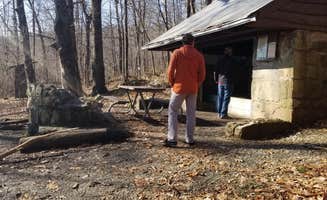
Hut vs. tent consideration: When camping with children, consider the Gravel Springs shelter option. The three-sided structure provides more protection than tents, as described: "The hut is 3 sides and open on the 4th, the open side faces the fire pit."
Insect preparation: Pack appropriate insect repellent and protective clothing, especially for Compton Gap where a camper reported experiencing "lots of bugs" during their stay.
Water weight planning: Since all sites require hiking in, calculate water needs carefully. Though Gravel Springs has a nearby spring, water availability can fluctuate seasonally, requiring families to potentially carry additional water weight.
Tips from RVers
No vehicle access: None of the dispersed camping options near Sterling allow RV or vehicle access. All free camping requires hiking in with gear, making traditional RV camping impossible at these locations.
Alternative paid options: RVers seeking camping near Sterling should consider developed campgrounds instead of the backcountry sites. The dispersed options in Shenandoah National Park are exclusively for tent campers willing to hike to their sites.





 Ranger
