Dispersed camping options near Reston, Virginia remain limited, with the closest free camping sites situated within the federally managed lands surrounding the region. Backcountry sites in Shenandoah National Park require permits and involve hiking distances of 1-10 miles to reach camping areas. These sites offer primitive conditions with specific regulations that campers must follow to protect the natural environment.
What to do
Hike the Appalachian Trail section: The AT passes through several backcountry camping areas in Shenandoah, offering strategic overnight stops. At Gravel Springs Hut, campers will find a convenient water source nearby. "The spring for water is located very close by," notes Mara F., making it practical for longer hikes without carrying excessive water weight.
Wildlife observation: The backcountry areas provide opportunities to spot native wildlife in their natural habitat. Maintain proper distance and store food according to regulations using the provided bear storage systems. Bear sightings are common enough that Compton Gap Backcountry camping has specific protocols in place. "Lots of bugs," reports Les R. about the Compton Gap area, suggesting insect repellent is essential during warmer months.
Photography treks: The varying elevations and ecosystems within hiking distance of backcountry sites create diverse photography opportunities. Morning fog often settles in valleys while ridgelines offer clearer views, creating contrasting shooting conditions throughout the day.
What campers like
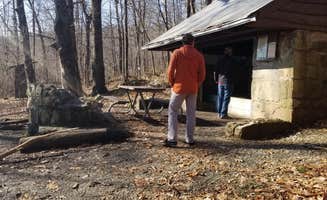
Communal shelters: The three-sided shelters provide a shared sleeping space that can facilitate camaraderie among hikers. "The hut sleeps 8 and is first come, first serve. You may end up meeting some new friends there because of this," explains a camper about Gravel Springs Hut.
Solitude options: For those preferring more isolation, tent sites near the shelters offer more privacy while maintaining access to the same water sources and facilities. Even during peak season, backcountry sites rarely feel crowded due to permit limitations and hiking requirements.
Spring water access: Several backcountry sites feature natural springs within walking distance, reducing the need to carry excessive water. These springs typically flow year-round but can diminish during severe drought conditions in late summer.
What you should know
Permit requirements: All overnight stays in Shenandoah backcountry require permits, which can be obtained at entrance stations or visitor centers. Permits cost $10-30 depending on group size and stay duration.
Variable weather conditions: The mountain elevation means weather can change rapidly, with temperature differences of 10-15 degrees between ridges and valleys. Prepare for conditions 10-15 degrees cooler than Reston forecasts.
Strict regulations: Unlike free camping near Reston on other federal lands, Shenandoah enforces strict policies including "not our favorite campground" experiences for those unprepared for the conditions, as noted by visitors to Compton Gap. Fires are prohibited throughout backcountry areas, and alcohol regulations vary by site.
Tips for camping with families
Choose sites near water sources: When hiking with children, select camping areas with reliable water sources to minimize carrying weight. The spring near Gravel Springs Hut makes it more family-friendly than some alternatives.
Plan shorter hiking distances: Most backcountry sites require hiking 2-8 miles from the nearest parking area. For families with younger children, target sites within 3 miles of trailheads to maintain energy and enthusiasm.





 Ranger