Salt Fork State Park sits at approximately 950 feet elevation in the unglaciated Allegheny Plateau region of eastern Ohio. The terrain consists of rolling hills with occasional steep ravines, providing diverse terrain for horseback riding trails. Park temperatures range from summer highs around 85°F to winter lows near 20°F, with spring and fall offering moderate conditions favorable for extended trail riding.
What to do
Trail riding excursions: Salt Fork State Park offers 19 miles of bridle trails that wind through diverse terrain. The trails accommodate riders of various skill levels, with routes that traverse forests and open meadows. A visitor notes, "There are multiple bridle trails that wind throughout the park's expansive property, allowing for extended riding opportunities."
Fishing opportunities: The 2,952-acre lake at Salt Fork State Park provides excellent fishing conditions. "The fishing was good, and the activities with the naturalist (Cayden) were fun and engaging," reports one camper who visited Blue Rock State Park. The lake contains bass, bluegill, crappie, and catfish.
Boating access: Equestrian campers can also enjoy water recreation between rides. "The park accommodates tent, RV, and cabin camping options, with both electric and non-electric sites available," states the park website. One visitor appreciated that "the private boat marina and beach offer additional recreation options when not riding."
Bird watching sessions: Spring and fall migrations offer excellent bird watching opportunities. "It is a very good birding hotspot in the spring!" writes one camper. Over 150 bird species have been documented within the park boundaries, making it worthwhile to bring binoculars while camping.
What campers like
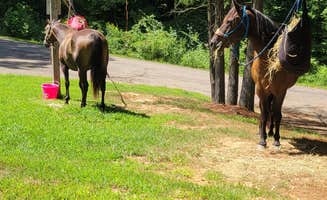
Equestrian amenities: Blue Rock State Park Campground offers dedicated facilities for horse campers. "Very quiet campground with little to no other riders around," notes a recent visitor. The equestrian camping area includes hitching posts and appropriate spacing for trailers.
Shaded campsites: Campers appreciate the natural canopy at many sites. "It's treed and shady with a creek running through," writes a visitor about Blue Rock State Park. The shade provides welcome relief during summer months when temperatures frequently exceed 80°F.
Privacy options: While main camping areas can be busy, some parks offer more secluded alternatives. At Hidden Hollow Campground, a camper reports, "Site 22 is at the end and away from others more than the other sites." This provides more solitude for those seeking a quieter experience.
Water access: Many equestrian campers enjoy having water features nearby. "There is a creek running through the main primitive campsites below the dam, with minnows and crawfish for the kids to catch," writes a Blue Rock State Park visitor. These natural water features enhance the camping experience.
What you should know
Varying site conditions: Not all campsites are created equal in the region's horse camps. "Some sites are small and very sloped. Others have lots of room to spread out," reports a visitor to Jefferson Lake State Park Campground. Research specific site characteristics before booking.
Bathroom facilities: Facility quality varies significantly between parks. "Only 5 electric sites. Very clean pit toilets. Well maintained campground," notes a Jefferson Lake visitor. Some parks have modern facilities while others offer more rustic options.
Seasonal considerations: Spring brings mud and fall brings changing colors. "The change of season brings a very different atmosphere to the park and the people staying in it," writes one camper about Salt Fork State Park. Plan accordingly for seasonal variations in trail conditions.
Water availability: Check water source information before arrival. At Jefferson Lake, "They also advertise a water filling station but neglected to mention that it is non-potable water so if that's something you're looking for then keep that in mind," warns one visitor.
Tips for camping with families
Creek exploration opportunities: Kids enjoy natural water features at several campgrounds. At Mountwood Park Family Campground, families can explore the nearby lake area. "Went for a hike on the park side around the lake. Several trails," reports one visitor, noting activities beyond the equestrian focus.
Playground access: Some horse campgrounds include family-friendly amenities. "Clean water, restrooms, playground, sand volleyball and basketball court," writes a visitor about Jefferson Lake State Park. These additional facilities help keep children entertained.
Wildlife viewing chances: Many campgrounds offer opportunities to spot local wildlife. "Just driving in saw turkeys and 'turkets' and two 6 point bucks," reports a camper about Salt Fork State Park. Early mornings and evenings typically provide the best wildlife viewing times.
Nature program participation: Educational programs enhance family camping experiences. "The activities with the naturalist (Cayden) were fun and engaging," mentions a Blue Rock State Park visitor. Check with park offices for current program schedules.
Tips from RVers
Site leveling requirements: RV campers should prepare for uneven terrain. "Perfect for our little Scamp trailer. Only 5 big electric sites," notes a Jefferson Lake State Park visitor. Bringing leveling blocks is recommended for most area campgrounds.
Hook-up limitations: Utility connections vary significantly between parks. "Electric is a little far behind pad. We almost needed extension cord," warns a Jefferson Lake camper. Bring extra-length cords and hoses to ensure successful connections.
Cell service availability: Connectivity differs throughout the region. "AT&T 5g with 3 bars," reports one Jefferson Lake visitor, while reception can be more limited in deeper valleys within other parks. Don't count on reliable service at all locations.




 Traveler


