Primitive camping opportunities surround Portland, New York, with several state forests offering rustic backcountry sites. This region of western New York features dense hardwood forests at elevations ranging from 1,300-2,000 feet, creating cooler summer temperatures than nearby lowlands. Most dispersed camping areas remain open year-round, though forest access roads often close during winter and spring thaw periods.
What to do
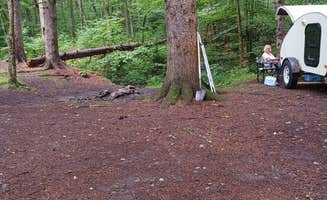
Fishing opportunities: FR437 dispersed campsite provides access to nearby streams and small lakes. "Nice little hideaway, it is however right across from where people have made a make shift shooting rang, which I thought to be a bonus," notes camper SomadNomad M.
Hiking trails: Several state forests connect to the extensive Finger Lakes Trail system. Camp Seneca offers both camping and trail access. According to Kevin C., "We had a few hikers come through and one other camper that chose not to stay."
Wildlife observation: McCarthy Hills Forest contains wetland areas supporting diverse bird species. The early morning hours typically offer the best wildlife viewing opportunities, with minimal development disturbing natural habitats.
What campers like
Secluded locations: Camp Seneca provides quiet camping away from crowds. One visitor reported, "We came into the area on a Monday and this camp was completely empty. We picked the biggest site next to the creek. The tree canopy over our site was dense enough that w3 did not get very wet when it rains."
Natural water features: Several rustic camping areas near Portland feature streams or ponds. Boyce State Forest includes "primitive tent sites on a small pond located on the Finger Lake Trail," according to Alan C.
Basic amenities: Despite being dispersed camping, some sites offer minimal facilities. At Camp Seneca, "There was a porti-poty on site that had plenty of paper was pretty clean."
What you should know
Seasonal conditions: Spring camping in this region often means wet conditions. A Boyce State Forest visitor cautions, "Trail was more of a stream than a trail. You'll spend more time beside the trail then actually on it. Would recommend to come in dryer season or to bring rubber boots."
Maintenance concerns: Site cleanliness varies significantly. Rose S. noted at Warner Road Dispersed Camping, "The site was fine, fire pit, primitive spot so no services. Kind of a gross site, the previous people who stayed at our site were messy and left litter, but it served its purpose as a free place to sleep along a longer trip."
Overnight restrictions: Verify camping rules before setting up. Some areas that appear to allow camping may have limitations. At Warner Road, one camper observed, "Clearly people are camping here at times but there are posted signs that say Day Use Only. It was quiet and dark."
Tips for camping with families
Pack extra supplies: Remote camping locations require thorough preparation. For sites like Windfall Ponds, bring sufficient water, food, and emergency items as no services exist within several miles.
Select established sites: For families new to rustic camping near Portland, New York, choose areas with at least minimal facilities. Boyce State Forest offers "a lean-to with fire pit and privy" if you "walk/hike 1/2 mile," making it more suitable for families than completely undeveloped areas.
Plan for uneven terrain: Many camping areas feature sloped ground. At Boyce State Forest, "Lots of room for tents, however, most sites are not flat," which requires careful tent placement for comfortable family sleeping arrangements.
Tips from RVers
Size limitations: Most dispersed camping areas near Portland accommodate smaller recreational vehicles only. FR437 dispersed campsite allows RVs but has limited turning space and narrow access roads.
Seasonal access: RV campers should call ahead to verify road conditions. Many forest roads become impassable during spring thaw, with no maintenance or recovery services available.
Limited facilities: RV campers must be fully self-contained. Unlike developed campgrounds, these rustic sites provide no hookups, dump stations, or potable water. The region's dispersed camping options cater primarily to tent campers who need minimal facilities.




 Traveler


