Dispersed camping near Irving, New York offers several backcountry options within the region's mixed hardwood forests. At elevations ranging from 1,300 to 1,800 feet, these sites experience typical northeastern seasonal patterns with snow possible from November through April. Summer temperatures average 75-85°F during the day while spring and fall bring significant precipitation that impacts trail and campsite conditions.
What to do
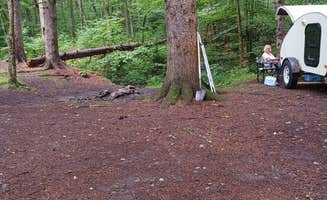
Fishing opportunities: Camp Seneca provides creek-side camping with access to small stream fishing. According to a camper, "We came into the area on a Monday and this camp was completely empty." The quiet location makes it ideal for anglers seeking solitude.
Hiking access: The Finger Lakes Trail runs through several of these forest lands. At Boyce State Forest, one visitor notes, "If you walk/hike 1/2 mile you will find a lean-to with fire pit and privy." The trail connects to longer routes for day hiking options.
Wildlife observation: Early mornings at these sites offer opportunities for viewing deer, turkey, and various woodland birds. During spring and fall migrations, additional bird species move through the area, making binoculars useful equipment for campers.
What campers like
Uncrowded conditions: Most primitive sites in the region remain lightly used, especially midweek. One camper at Warner Road Dispersed Camping in North Harmony State Forest mentioned, "It was quiet and dark," highlighting the minimal light pollution and traffic noise.
Primitive amenities: Some sites offer basic structures that enhance the camping experience. At Boyce State Forest, a visitor found that the campsite "came with some firewood and cardboard to burn as well as some emergency water" within the lean-to structure.
Budget-friendly option: These dispersed camping areas typically require no fees, making them economical alternatives to developed campgrounds. The lack of reservation systems allows for spontaneous trips without advance planning during non-peak periods.
What you should know
Site conditions: Preparation for muddy conditions is essential, particularly after rainfall. One Boyce State Forest camper advised, "Would recommend to come in dryer season or to bring rubber boots," after experiencing extremely wet trail conditions.
Facility limitations: McCarthy Hills Forest and other primitive sites lack established facilities. Campers should bring portable toilet systems or be familiar with proper waste burial techniques (at least 200 feet from water sources and 6-8 inches deep).
Regulatory confusion: Some sites have unclear signage about overnight use. As one camper at North Harmony State Forest observed, "Clearly people are camping here at times but there are posted signs that say Day Use Only." Checking with the New York Department of Environmental Conservation before trips can prevent misunderstandings.
Tips for camping with families
Site selection considerations: When camping with children, prioritize locations with established fire rings and some flat ground for tent placement. While primitive, some sites at Camp Seneca feature "a fire ring and picnic table," making meal preparation more manageable.
Emergency preparation: Windfall Ponds and other remote areas have limited or no cell service. Families should bring paper maps, a compass, and first aid supplies, plus share trip plans with someone not in the camping party.




 Traveler


