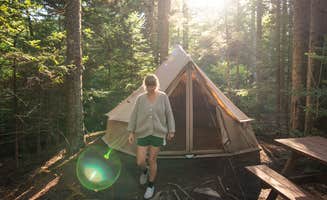
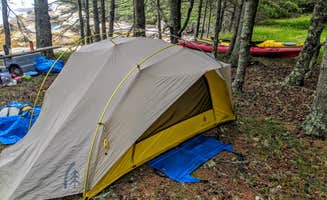
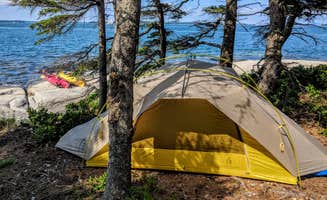
Tent camping near Seal Cove, Maine offers unique coastal forest experiences with rocky shorelines and tidal pools at elevations below 500 feet. Campers face significant weather challenges with average summer temperatures ranging 65-75°F and frequent morning fog that can reduce visibility to under 100 feet. The region's natural landscape combines spruce-fir forests with granite outcroppings that create distinctive camping terrain.
What to do
Hiking on Isle au Haut: Access the remote section of Acadia National Park by mailboat from Stonington to Duck Harbor Campground, where you can explore several miles of moderate trails. "Starting in 2018 reservations will be online starting April 1. The campground is open mid May to mid October but the mailboat only goes to the campground from late June to late September; otherwise a 5 mile walk from town," notes Patricia P. about Duck Harbor Campground.
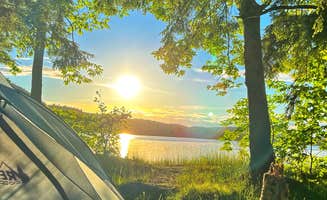
Beach camping at Donnell Pond: Walk a half-mile from parking to reach beachfront tent sites with mountain views. "We parked at the public dock that has public parking and boated over to the beach. There are two beaches that you can camp on that have sites with fire rings and picnic tables," reports Amanda F. about Donnell Pond Public Reserved Land.
Blueberry picking: During late July and early August, camp near working blueberry fields where you can participate in seasonal harvests. "Park your van, or pop your tent, next to the pond. Chill out and watch the sheep, or pick your own blueberries alongside their raking crew in their organic wild blueberry barrens," explains a review of Continuous Harmony Farm.
What campers like
Clothing optional camping: Some private camping areas near Acadia offer specialized experiences. "A true hidden gem. We had no idea there was a clothing optional site near Acadia and stumbled across this with hipcamp. A safe and lovely primitive site," writes Heather G. about Rough and Raw.
Wild blueberry fields: The rolling landscape provides unique camping settings with edible surroundings. "We absolutely loved this site, it was nothing we had ever experienced before. The views were incredible, we swam in the water everyday, and picked/ate the blueberries!" reports Korie M. about Maine Wild Blueberry Bliss.
Island solitude: Some islands accommodate just one or two tents for maximum privacy. Shivers Island, described locally as "Honeymoon Island," provides a small, intimate setting for couples seeking seclusion with no distractions from modern amenities.
What you should know
Boat access requirements: Most island camping requires sea kayaking skills and specialized equipment. "Landing at high tide is tricky/impossible on Nathan (and many other islands)," warns a reviewer about Nathan Island. Always check tide charts before planning island landings.
Limited availability: Many sites operate on a first-come, first-served basis with no advance reservations. "Since all of the islands are first-come, first-served, have a back-up plan for camping on another island," advises a camper about the Maine Island Trail sites.
Weather preparedness: Coastal weather changes rapidly, requiring multiple clothing layers and navigation tools. The morning fog can reduce visibility to zero within minutes, creating potentially dangerous conditions for boaters and hikers.
Tips for camping with families
Site selection for kids: Some campgrounds offer more family-friendly amenities than others. "The owners are so nice the staff is beyond nice. They will deliver wood ice pretty much anything from the general store," mentions Tara W. about Shivers Island.
Easy access options: For families with young children, look for sites with shorter approach trails. Erik C. notes about Donnell Pond, "The hike in is only about 1/2 mile so it's totally doable even if you need to make two trips. The spots are secluded enough but not isolated."
Privacy concerns: Some campgrounds have sites closer together than expected. "We were shocked to see how close together the sites are (we heard our neighbor snoring)," reports Peña B. about Four Acre Woods Campground.
Tips from RVers
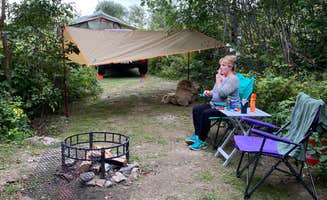
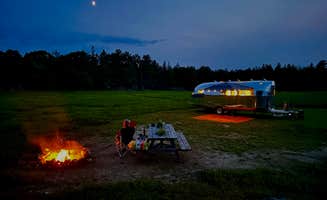
Generator restrictions: Most camping areas prohibit generator use to preserve the natural quiet. "It is dry camping, with no hookups, and generators are not allowed," explains Heather C. about Maine Wild Blueberry Bliss, noting the site had "a picnic table set up with flower boxes in it, and there was a nice fire ring."
Size limitations: RVs must be small and maneuverable to access most sites in the area. Campgrounds like Rough and Raw allow small RVs but aren't big-rig friendly, with minimal setup space and natural terrain that can challenge larger vehicles.
Electrical needs: A few private campgrounds offer electrical hookups, but they're limited. "This is private land that the owner rents to campers. We stayed in campsite 2, where the land is open and flat, and there was plenty of room for our rv," shares a reviewer about their camping experience at Wild Blueberry Bliss.








 Ranger


