Dispersed camping opportunities near Jackson, Maine feature several boat-in wilderness sites across the Deer Isle Archipelago. These primitive island campsites require sea kayak or small boat access and offer minimal amenities in true backcountry conditions. Visitors need substantial preparation for self-contained camping experiences, as most islands have no established facilities, running water, or permanent waste disposal options.
What to do
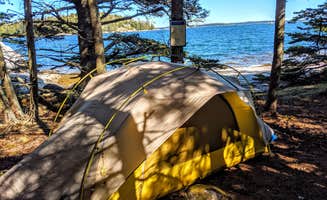
Island exploration: Buckle Island provides an accessible introduction to island camping with a relatively easy landing area on the east side. The island has two designated sites - one larger area in the woods and a smaller site near the granite shoreline.
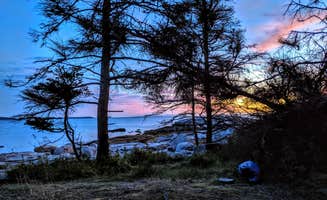
Stargazing: The dark skies above Marshall Island create exceptional night viewing conditions. One camper noted Sand Cove as "perfect for a beach fire and stargazing on a clear night– some of the best stargazing spots we've ever seen!"
Day paddling: The proximity of these islands to each other enables multi-day island-hopping adventures. The distances between islands generally range from 1-5 miles, making them suitable for intermediate kayakers with proper safety equipment and tide awareness.
What campers like
Strategic positioning: Wheat Island serves as an excellent base for exploring nearby attractions. One visitor mentioned it's the "Perfect island for exploring the close-by Isle au Haut, a remote section of Acadia National Park, but very hard to get reservations at Duck Harbor Campground."
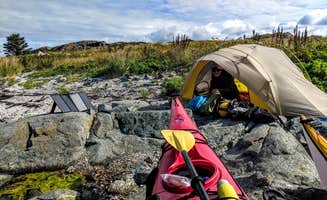
Varied landing conditions: Each island offers different camping experiences based on their shoreline characteristics. Doliver Island features a "Gorgeous shell covered beach and a beautiful view of Isle au Haut, just next door," according to one camper, despite having minimal space for tents.
Conservation opportunities: Some islands offer conservation participation programs. At Marshall Island, "if you do a beach clean-up during your stay and send in a picture, you will receive a Maine Coast Heritage Trust hat!"
What you should know
Limited facilities: These primitive camping sites require complete self-sufficiency. No drinking water sources exist on the islands, so visitors must carry all water needed for their stay. One camper advised: "Come prepared with fresh water (there is no fresh water for filtering) and wag bags (no toilets)."
Tide-dependent access: Landings can become challenging or impossible during certain tide conditions. A visitor to Wheat Island warned: "This can be a tricky island to land on at high tide, so plan accordingly."
Membership benefits: While these sites operate on a first-come basis, Maine Island Trail Association (MITA) membership provides free access and detailed information about landing sites, restrictions, and conditions.
Tips for camping with families
Beginner-friendly options: For families new to sea kayak camping, select islands with easier landings. One experienced paddler recommends Buckle Island as it "has a sandy shore, which is exposed for a good portion of the day, is easy to land on and a short walk to a trail into the woods."
Insect preparation: Families should pack appropriate insect protection as mosquitoes remain persistent even into September. A camper on Doliver Island reported: "We thought we were passed mosquito season in early September, but alas, they were pretty bad all day long."
Supply planning: With no services on most islands, families must calculate food, water, and supply needs carefully. For longer stays, note that "Swan's Island is a short paddle away and has a very small grocery store and town office with fresh water" for resupply options.
Tips from RVers
Alternative accommodations: These primitive camping areas near Jackson, Maine are accessible only by water craft and unsuitable for RVs. Mainland camping options with road access exist throughout coastal Maine for RVers wanting to explore the region while maintaining access to these islands via guided kayak tours.




 Legend