Equestrian camping options near El Jobean, Florida include several parks within a 30-mile radius that provide varied terrain for riders. The inland region transitions from coastal plains to subtle rolling hills with elevation changes rarely exceeding 100 feet. Summer temperatures consistently reach 90°F with high humidity, while winter camping brings more comfortable 70°F days and 50°F nights with significantly lower rainfall.
What to do
Trail riding near Myakka State Forest: The forest connects to multiple trails with wildlife viewing opportunities. "Nice open area with some trees and lots of palm tree bushes. Well maintained white dirt road," reports Daniel O. about Flying A Campground, where riders can access connecting trails a quarter mile from camp.
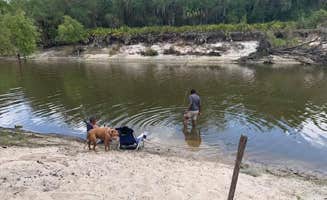
Fossil hunting at Peace River: Unique to this region, visitors can search for prehistoric shark teeth and other fossils. "This park seems to flood and have limited sewer sites but is a great place to find Shark teeth and other fossils. I once had to abandon my Tilapia as the alligator appeared to want it more than me!" shares Paula C. from Peace River Campground.
Canoe and kayak expeditions: Multiple waterways offer paddling opportunities with abundant wildlife. "We rented a canoe for the day (reasonably priced at $20 for the first hour and $5/hr after that) and saw many alligators, turtles, wild pigs, and so many birds," according to Laura M. who visited Old Prairie Campground.
What campers like
Privacy between sites: At Flying A, the camping areas provide good separation from neighbors. "All the sites are quite large and well separated from neighboring sites. With the right mix of campers, you could have a super peaceful night in the forest without having to bushwhack your way in," notes Ari A. about Flying A Campground.
Wildlife encounters: The parks host diverse ecosystems with frequent animal sightings. "We arrived at the gate! After hearing of the wilderness preserve we decided to go ahead and get the permit... After driving back to the parking area, we realized we had the 600 acres to ourselves. We then hiked to the deep hole. There we saw tons of alligators birds and wildlife!" describes Christina L. from Palmetto Ridge Campground.
Lakeside camping: Several parks offer waterfront sites for fishing and swimming. "Stayed at a non-electric site right on the lake. Fire pit is great and camp hosts even recommended a local small biz that will bring you firewood," says Joshua W. about Hardee Lakes Park.
What you should know
Water restrictions: Some parks have ongoing utility issues affecting camping comfort. "For over 2 years there has been no drinking water. Their osmosis processing isn't working and hasn't been repaired. There is free jug water at the entrance," warns Fred M. about Myakka River State Park.
Gator safety: Alligators are common in the region's waterways and sometimes approach camping areas. "Went to drain the tanks yesterday morning and a large sounding gator started to growl territorially at me. So heads up with your pets please," cautions Jenelle J. who stayed at Palmetto Ridge Campground.
Site cleanliness varies: Maintenance standards differ between parks. "The campsite looked like it wasn't maintained at all. There was a big dilapidated bin of random trash that looked like it had been there for quite some time (site 3), a ton of cigarette butts, melted plastic pieces everywhere," reports Josh M. from Flying A Campground.
Tips for camping with families
Beginner-friendly campgrounds: Some parks specifically cater to families and new campers. "Great paths to manicured campsites. All have fire ring, bbq, and picnic table. Primitive showers available; restrooms available. WiFi works good; but there's miles of trails to walk. Caretakers are friendly," says Kenna D. about Caloosahatchee Regional Park.
Educational opportunities: Several parks offer nature programs and historical context. "There were copious amounts of wildlife, and we ended up taking a boat tour on the river which was highly enjoyable," shares Anthony S. who visited Myakka River State Park with family.
Equipment transport considerations: Some parks require manual transport of gear to campsites. "Had an awesome time nice and quiet. Fishing biking swimming. Good times but the only strike for me is totting in and having to leave my car behind," notes Dereck A. about Caloosahatchee Regional Park.
Tips from RVers
Site selection for big rigs: Certain campground loops accommodate larger vehicles better than others. "The Big Flats & Old Prairie loops are gravel road, tight, no privacy & very small sites like for popups, vans or small campers. The Palmetto Ridge pull thrus are gigantic," explains Amanda W. about Old Prairie Campground.
Electric/water hookups: Availability varies by campground and loop. "The old prairie and big flats were regular ground surface electric/water (no sewer). These also had a little less privacy," explains Travyl Couple about Old Prairie Campground.
Equestrian-friendly RV sites: Some campgrounds designate areas for horse trailers. "We stayed in an 'equestrian' site and most people didn't have horses (neither did we)," reports Kathy L. who stayed at Hardee Lakes Park, noting that these sites often offer more space for larger rigs.




 Ranger


