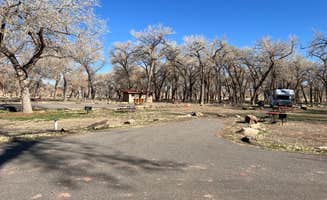
Cottonwood Campground serves as a strategic base for exploring Canyon De Chelly National Monument, situated at approximately 5,500 feet elevation in the high desert of northeastern Arizona. The campground operates year-round with seasonal limitations on water availability during winter months. Most camping areas feature mature cottonwood trees that provide critical shade during summer when temperatures regularly exceed 90°F.
What to do
Hiking to White House Ruins: Access this popular trail directly from the South Rim Drive near Cottonwood Campground. "The canyon is breathtaking: red cliffs surround lush-looking pastures cared for by Navajo inhabitants but off limits unless you access via Lighthouse Trail, which offers limited access to the canyon floor, or arrange a guided tour," notes Craig J. from Spider Rock Campground.
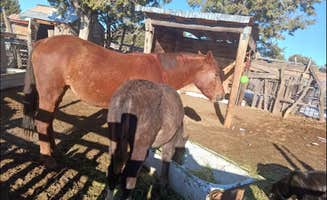
Horseback tours: Arrange guided horseback tours with local Navajo outfitters. "We road horses with Justin's Horses, and it is really close too," mentions ann M. who stayed at Cottonwood Campground. Tours typically cost $75-150 per person depending on duration.
Fishing opportunities: Anglers can visit nearby Wheatfields Lake, approximately 20 miles east. "Went fishing took my 12 footer aluminum boat caught a good amount of fish," reports Dani Y. from Wheatfields Lake Campground, noting the lake stocks rainbow trout.
Walking trails from campsites: Some campgrounds offer direct canyon access. "There is a great hiking trail that starts at the campground and goes to the canyon," writes Francois T. about his experience at Spider Rock Campground, providing convenient morning exploration without driving.
What campers like
Uncrowded camping experience: Even during peak seasons, campers report plenty of space. "Ranger told me he's never seen the campground fill up. Great staging location for both North Rim and South Rim exploration," notes Catherine S. about Cottonwood Campground.
Central location for exploration: The strategic positioning near canyon access points saves driving time. "This is a great central location to both the north and south canyon road," explains Christine Z., who appreciated the convenience of quick access to both rim drives from her campsite.
Fall foliage viewing: Late September through October offers spectacular colors. "Well-spaced sites under gorgeous cottonwood trees in bright yellow fall foliage," reports Catherine S., though she cautions those with allergies might experience symptoms.
Sanitation facilities: Despite the remote location, campers appreciate the maintained facilities. "The park was quiet, well treed and clean. A number of bathrooms, older but clean and well stocked. Lots of garbage pails. Dump station easy to access with working black tank sprayer," notes Christine Z.
What you should know
Thorny vegetation hazards: Multiple reports mention potential hazards for pets and humans. "Be aware there are thorny Goat heads all over our dog had a tough time," warns Ken K. who camped at Cottonwood in February.
Theft concerns: Campers should secure valuables even in remote locations. "Be careful what you leave out theft here is a problem, we had our bumper hitch stolen while we were in town shopping," cautions Robert A. from his stay at Cottonwood Campground.
Seasonal water availability: Water systems typically shut down during colder months. "Water refill station was closed for the winter," reports Teresa A. after her January visit. Winter campers should bring adequate water supplies.
Stray dogs in the area: Local dogs occasionally visit campgrounds. "There were some stray dogs when I first arrived, but they didn't bother us," notes Shawn from his camping experience at Cottonwood.
Alcohol restrictions: The entire Navajo Nation prohibits alcohol consumption. "This is Navajo Nation and there is no alcohol or marijuana use allowed," reminds Laura M. during her visit to Cottonwood Campground.
Tips for camping with families
Shoulder season advantages: Early fall offers ideal temperatures and fewer campers. "Early October & mostly empty! Plenty of spaces and happy to get one with shade on my camper," reports Daniel K. who visited Cottonwood Campground in autumn.
Local Navajo crafts: Children can view authentic handcrafts at pullouts. "Just about each pull off has native vendors selling handmade art and goods," notes Laura M., providing educational opportunities about Navajo culture.
Protected footwear essential: Children should wear sturdy shoes due to thorny plants. "I am sure the trees are wonderful in the summer," mentions Ken K., but he emphasizes the ground cover hazards require protective footwear for everyone, especially children.
Campsite selection strategies: Choose interior sites for maximum shade. "The interior sites have lots of cottonwood trees for shade," suggests ann M., which becomes crucial during warmer months with children.
Tips from RVers
Limited turnaround space: Larger RVs may face challenges at some campgrounds. "We have a 28' 5th wheel and after looking at the potential spots, had to back our way out. There is no way to turn around," cautions Bob & Ramona F. about their experience at Spider Rock Campground.
Sanitary dump access: RVers appreciate the functioning dump station at Cottonwood. "Dump station easy to access with working black tank sprayer," notes Christine Z., an important consideration for extended stays.
Cell coverage information: Most campers report adequate service for basic needs. "Verizon = 3 bars," reports Catherine S. about connectivity at Cottonwood Campground, allowing RVers to stay connected if needed.
Self-contained units recommended: Limited facilities make self-contained RVs ideal. "Very peaceful, not busy, no hook ups. Just out houses for now. Sewer is under repair so no dump station either," advises Shawn about temporary facility limitations at Cottonwood.





 Legend


