Camping at Canyon de Chelly National Monument takes place at an elevation of about 5,500 feet in northeast Arizona's high desert region. The area experiences dramatic temperature shifts between seasons, with summer days reaching 90°F while winter nights can drop below freezing. Traditional Navajo land surrounds the monument, influencing camping regulations and creating unique cultural considerations for visitors.
What to do
Rim hiking trails: Access viewpoints of the canyon system from hiking trails that follow the north and south rims of Canyon de Chelly. "We didn't plan ahead and didn't get to go down, though driving all the way to the end of the canyon (we went along the south side) was beautiful on its own. Just about each pull off has native vendors selling handmade art and goods," notes Laura M. from Cottonwood Campground.
Canyon floor tours: Book guided tours with authorized Navajo guides to access the canyon floor, as independent exploration is restricted. "The canyon is breathtaking: red cliffs surround lush-looking pastures cared for by Navajo inhabitants but off limits unless you access via Lighthouse Trail, which offers limited access to the canyon floor, or arrange a guided tour," explains Craig J. from Spider Rock Campground.
Fishing opportunities: Visit Wheatfields Lake for fishing about 30 miles from the monument. "Went fishing took my 12 footer aluminum boat caught a good amount of fish," reports Dani Y. at Wheatfields Lake Campground, though other reviewers note that "I have only seen small rainbow trout. Stockers from the Navajo Hatchery in Toadlena NM."
What campers like
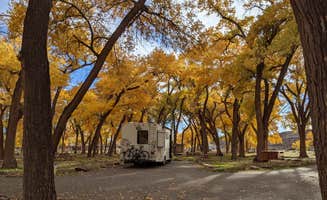
Convenient monument access: The proximity to monument attractions makes Cottonwood Campground particularly useful. "This is a great central location to both the north and south canyon road. Self pay at the entrance, $20 a night no services. The park was quiet, well treed and clean," writes Christine Z., who appreciated the strategic location.
Uncrowded camping conditions: Even during peak travel periods, campgrounds rarely reach capacity. "Ranger told me he's never seen the campground fill up. Great staging location for both North Rim and South Rim exploration," says Catherine S. at Cottonwood Campground, while another visitor notes, "We were here in early February. We had the place almost to ourselves."
Cultural immersion: The opportunity to connect with Navajo culture and history provides unique camping context. "Howard the owner is very friendly and a wealth of information," writes Francois T. about Spider Rock Campground, which offers a different perspective than staying at the monument's campground.
What you should know
Seasonal operations: Water access changes seasonally across area campgrounds. "Water refill station was closed for the winter," reports Teresa A. at Cottonwood Campground, while Laura M. adds: "Heads up that the water is turned off for the winter. Dump station open year round. There are flush toilets but no showers. 2 of the restrooms were closed for the winter as well."
Navajo Nation regulations: Special rules apply on reservation lands. "This is Navajo Nation and there is no alcohol or marijuana use allowed, and there are loose dogs hanging out everywhere," notes Laura M. from Cottonwood Campground.
Security considerations: Take precautions with valuables at all area campgrounds. "Be careful what you leave out theft here is a problem, we had our bumper hitch stolen while we were in town shopping," warns Robert A., highlighting an ongoing concern for campers.
Tips for camping with families
Shade considerations: During hot months, choose sites carefully for heat management. "The interior sites have lots of cottonwood trees for shade. Not very busy either! We were here on Memorial Day weekend and there were still spots available," recommends ann M., providing valuable timing information for family trips.
Hazardous plants: Watch for thorny vegetation that can cause problems for children and pets. "Be aware there are thorny Goat heads all over our dog had a tough time," cautions Ken K., referring to painful burrs that can lodge in feet, paws, and gear at Cottonwood Campground.
Bathroom facilities: Expect basic restrooms without shower facilities at most locations. "Restrooms were clean. Water refill station was closed for the winter," reports Teresa A., while other campers note the regular maintenance of toilet facilities even during off-season periods.
Tips from RVers
Size limitations: Carefully check space constraints before attempting to enter certain campgrounds. "We have a 28' 5th wheel and after looking at the potential spots, had to back our way out. There is no way to turn around. If camping here, I would have had to back my way into a spot," warns Bob & Ramona F. about maneuvering challenges at Spider Rock Campground.
Dump station access: Plan accordingly for waste management as facilities vary. "Dump station easy to access with working black tank sprayer," reports Christine Z., providing practical information about the sanitation facilities at Cottonwood Campground, though another reviewer noted: "Sewer is under repair so no dump station either."
Interior roads: Expect varying road conditions between rv parks at Canyon De Chelly National Monument. "Basic campground run by a local with various sized campsite. There's a pit toilet. Nothing around the area and about 10 miles from town," explains Berton M. about Spider Rock Campground's more remote setting compared to the monument's official campground.




 Legend


