Bridger-Teton National Forest spans over 3.4 million acres with elevations ranging from 6,000 to 13,000 feet. Summer temperatures typically fluctuate between 45°F at night to 80°F during day, creating ideal camping conditions from June through September. Most dispersed camping areas require visitors to pack out all trash and practice proper food storage in this active bear habitat.
What to do
Soak in hot springs: At Granite Creek Campground, campers can enjoy natural hot springs just a short distance away. "There is a hot springs which costs $8/head to go in... Less than a mile from the campground, and easily accessible by bicycle, there is a very nice waterfall," notes Gretchen B. The developed hot springs pool stays open until late October.
Fly fishing opportunities: The rivers and streams throughout Bridger-Teton provide excellent fishing spots. "The creek is great for fishing around the bend from the campground," reports David P. about Hoback Campground. Many creeks in the forest hold native cutthroat trout.
Wildlife viewing: The national forest supports diverse wildlife including moose, elk, and deer. "We noticed a family of deer munching in the field on our walk out this morning," writes one visitor about Spread Creek. At Gros Ventre Campground, visitors frequently spot larger mammals: "Saw three moose inside this campground. Only stayed for a night but it sure was beautiful!"
What campers like
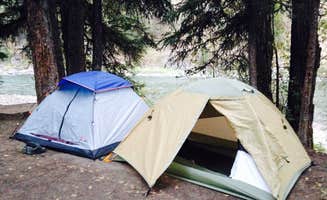
Riverside camping: Many Bridger-Teton National Forest campsites sit along creeks and rivers. At Dispersed camping along Cliff Creek, Quentin M. describes "Wonderfully peaceful, all sites right next to the creek, plenty of options and pretty well spaced out from each other." The sound of running water adds to the camping experience.
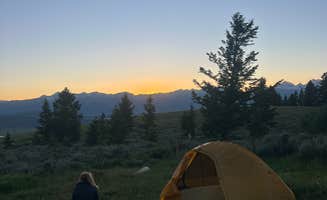
Mountain views: The forest provides numerous vantage points of surrounding mountain ranges. "There is a beautiful sunset a short walk up the driveway that overlooks the whole valley and the Tetons," reports Dani T. about Curtis Canyon Campground. These viewpoints make for excellent sunrise and sunset photography opportunities.
Privacy options: Campers appreciate sites with adequate spacing. "The sites are large and relatively far apart so you have a modicum of privacy," explains Mark P. about Granite Creek Campground. This contrasts with more crowded national park campgrounds nearby.
What you should know
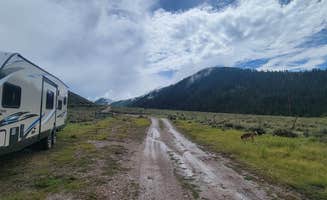
Road conditions: Many forest roads require careful driving, especially after rain. "The drive up isn't bad at all - unmoded vans seen at sites seemed to manage it just fine. Any SUV will do just fine, likely most sedans as well. But the road is rutted so put some thought into your lines," advises Katherine C. about Curtis Canyon Dispersed Camping.
Bear safety requirements: All campgrounds require proper food storage. "This is bear country...so know how to stay safe!" reminds one camper at Dispersed camping along Cliff Creek. Most established campgrounds provide bear boxes at each site.
Campsite availability: Popular areas fill quickly during summer months. At Shadow Mountain Dispersed Camping, "We arrived around 2PM on our first day and all sites were full, we came back around 8 the next morning and found one site available for us to take," reports Ryan L. Weekday arrivals typically offer better chances for securing preferred sites.
Tips for camping with families
Easy access spots: Some campgrounds offer more convenient access for families with young children. Kozy Campground has "about 10 campsites that are first-come-first-serve. Each has a picnic table and a fire pit. Almost all have bear boxes," notes Aakansha J., making it easier for families to manage meals and food storage.
Nature exploration: Many campsites provide natural features children can safely explore. One parent at Cliff Creek explains, "We then walked about another mile down the road before encountering snow. There were ruts in the road but easily possible for my Nissan Rogue to get over and other cars as well."
Weather preparation: Mountain weather changes rapidly, requiring appropriate clothing layers. "It did get down to 15 degrees Fahrenheit over night, so pack warm," advises Jennifer about her family's spring trip to Bridger-Teton National Forest campsites. Summer evenings typically drop to 40-50°F even when days reach 80°F.
Tips from RVers
Site dimensions: RV campers should check site dimensions before arrival. At Gros Ventre Campground, "318 sites. 36 electric sites. wide open spaces between you and your neighbors," notes Ted K. This information helps determine appropriate vehicle size for each location.
Leveling challenges: Some forest sites require additional equipment for comfortable parking. "Sprinter Van Camping. Fair camp site and fairly level that is near the restrooms and water source," reports Joe A. about Curtis Canyon Campground. Bringing leveling blocks helps accommodate sloped parking areas.
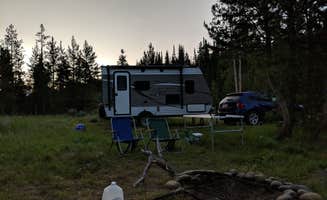
Hookup availability: Most forest campgrounds offer limited or no hookups. As Tammy L. explains about Gros Ventre, "No hookups but was worth it to dry camp at this location!" RVers should arrive with full water tanks and empty waste tanks when staying at most Bridger-Teton sites.
















 Traveler


