
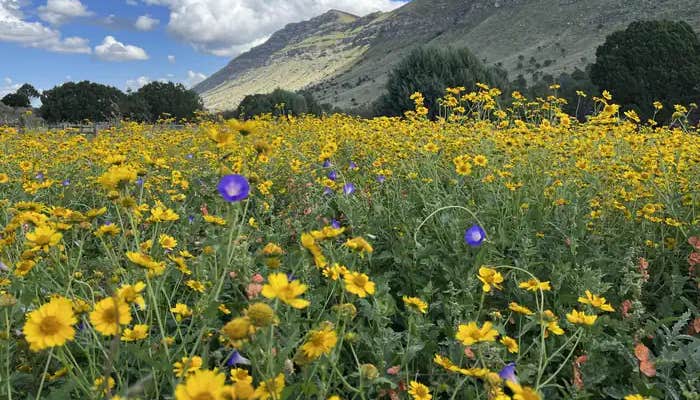
 Photo by The Dyrt
 Guadalupe Mountains National Park Camping Guide
Guadalupe Mountains National Park offers a rugged wilderness camping adventure amid the soaring peaks of West Texas. With two small frontcountry campgrounds (Pine Springs and Dog Canyon) and a single group horse camp, visitors will find basic facilities and incredible desert mountain scenery. All Guadalupe Mountains National Park campgrounds are open year-round, and advance reservations are strongly recommended during the busy spring and fall seasons. High winds, scorching summer sun, and limited water availability define the camping here, making self-sufficiency and careful planning essential. Dark night skies, exceptional solitude, and world-class hikes right from your campsite make the extra preparation worthwhile.
Guadalupe Mountains National Park Camping at a Glance
Guadalupe Mountains National Park offers frontcountry and backcountry camping options in a remote desert mountain setting in West Texas. Camping inside the park is limited to two developed campgrounds, both of which require advance reservations, plus designated wilderness camps for permitted backpackers. Pine Springs Campground often fills quickly during peak spring and fall seasons. Sites cost $20 per night for individual sites and $60 per night for group sites, with a $10 per person park entrance fee also required for visitors 16 and older. No campfires are allowed anywhere in the park due to extreme fire danger, and RV hookups are not available at any location. High winds, especially from November through March, regularly gust over 50 mph, requiring secure tent setup and sturdy gear. Cell signal is spotty at Pine Springs and completely absent at Dog Canyon.
Cell service is generally available near Pine Springs Campground for most major carriers, but coverage drops off quickly outside that area. Dog Canyon Campground has little to no reliable service. Campers should plan to arrive fully prepared, as there are no fuel stations, grocery stores, or dump stations inside the park.
Strong winds, limited shade, and wide temperature swings are common year-round. Tent campers should bring sturdy stakes and wind-resistant shelters, while RV campers should be prepared for exposed sites with no hookups.
Guadalupe Mountains National Park Campground Quick Facts
| Quick Facts | Details |
|---|---|
| Number of Campgrounds | 3 developed campgrounds (2 frontcountry drive-in campgrounds, plus 1 group horse camp) |
| Total Individual Campsites | Approximately 46 individual sites (20 tent and 13 RV sites at Pine Springs; 9 tent and 4 RV sites at Dog Canyon) |
| Group Campsites | 4 group sites total (2 at Pine Springs, 1 at Dog Canyon, 1 at Frijole Horse Corral - horse groups only) |
| Campsite Cost | $20 per night for individual sites; $60 per night for group sites (park entrance fee $10/person 16+ also required) |
| Reservation System | Recreation.gov (6-month rolling window; all Pine Springs and Dog Canyon sites are reservable in advance) |
| Camping Season | Open year-round. Peak seasons: spring (Mar-May) and fall (Sep-Nov) for mild weather and fall colors. Winters are cold/windy; summers are hot with thunderstorms. |
| RV Accommodations | No hookups or dump stations in park. Max RV length ~50 ft at Pine Springs (no rigs >55 ft); 23 ft at Dog Canyon. Generators allowed only outside quiet hours (not after 8 PM). |
| Water & Facilities | Potable water available at campgrounds. Flush toilets at Pine Springs & Dog Canyon (no showers). Nearest showers and dump station in White's City or Carlsbad, NM (~35-65 miles). |
| Unique Challenges | Extreme winds (especially Nov-Mar, gusts 50-70+ mph), no campfires allowed, very limited cell signal (none at Dog Canyon, spotty at Pine Springs). |
Guadalupe Mountains Campgrounds: Complete Guide
Pine Springs Area Campgrounds

Pine Springs Campground — Guadalupe Mountains National Park
Pine Springs Campground sits near the park entrance and serves as the primary basecamp for hikers tackling Guadalupe Peak, Devil’s Hall, and nearby trails. The campground includes tent and RV sites arranged around paved parking pads, with picnic tables and access to restrooms. Tent sites on the outer loop, particularly sites 15 through 20, are often preferred for slightly more spacing and reduced foot traffic. Site 12 is frequently mentioned by campers for its partial shade and mountain views. RV sites function as numbered parking spaces and offer limited privacy, with a maximum vehicle length of approximately 50 feet. Winds are common throughout the year, especially in the afternoon. Campers consistently recommend using extra stakes and securing loose gear. Despite the exposure, Pine Springs remains popular due to its proximity to trailheads and the visitor center.

Frijole Horse Corral Campground — Guadalupe Mountains National Park
Frijole Horse Corral Campground is a specialized group campsite about 1 mile east of Pine Springs, designated for visitors with horses. This single site includes two tent pads and two RV parking spots, with a capacity of up to 10-20 people and space for 10 stock animals in four corrals. Amenities are minimal: a pit toilet, a water trough for stock (and drinking fountain for people), and picnic tables. No open fires are allowed (like the rest of the park). The site is adjacent to a trailhead parking area and only ~100 yards from the highway, so expect noise and little solitude. Frijole Horse Corral must be reserved in advance ($60/night) and may only be booked by parties with horses or stock - regular tent campers should use Pine Springs. It's a convenient base for equestrians to access the Foothills and Frijole trails into the backcountry.
Dog Canyon Area Campground

Dog Canyon Campground — Guadalupe Mountains National Park
Dog Canyon Campground is located in the northern section of the park and is accessed via New Mexico. The higher elevation and canyon walls provide cooler temperatures and more wind protection compared to Pine Springs, making it appealing during warmer months. The campground includes a small number of tent and RV sites. RV sites A and D are often noted for having slightly more room and separation, though overall space is limited and larger rigs may not fit comfortably. There are no hookups, and services are not available nearby. Dog Canyon is frequently chosen by campers seeking quieter conditions and easier access to trails leading into Lincoln National Forest. Visitors should plan for full self-sufficiency, as the nearest fuel and supplies are over an hour away.
Guadalupe Mountains Campground Comparison Table
| Campground | Location & Sites | Cost & Reservations |
|---|---|---|
| Pine Springs | Central park (near Visitor Center) 20 tent + 13 RV sites | $20/night per site Reservable (Recreation.gov) |
| Dog Canyon | North district (remote canyon) 9 tent + 4 RV sites | $20/night per site Reservable (Recreation.gov) |
| Frijole Horse Corral | Near Pine Springs (off US 62/180) 1 group site (horse use only) | $60/night (group) Reservable (Recreation.gov) |
| Guadalupe Peak (Wilderness) | Backcountry, 3 campsites (8.4 mi hike from Pine Springs) | Free (with permit) Permit required in person |
| McKittrick Ridge (Wilderness) | Backcountry, 3 campsites (7+ mi hike from McKittrick Trailhead) | Free (with permit) Permit required in person |
Campground Amenities and Best Uses
Pine Springs: Best for hikers tackling Guadalupe Peak or Devil's Hall, thanks to trailhead proximity. Also suitable for larger RVs (up to ~50 feet) since it has the park's most accommodating parking area (though still no hookups). Expect a busy atmosphere during peak seasons, as Pine Springs is the park's main campground - early mornings see day hikers passing through the RV lot. Little shade and frequent winds mean tents should be well-secured. Great access to the Visitor Center (5-minute walk for park info, Wi-Fi) and central to all areas of the park. Those planning on RV camping near Guadalupe Mountains National Park will find Pine Springs the most accessible option, though nearby private campgrounds like Carlsbad RV Park offer full hookups.
Dog Canyon: Ideal for campers seeking tranquility and cooler temperatures. Dog Canyon's higher elevation and protected canyon setting make it notably less windy than Pine Springs - a big plus for tent campers in Guadalupe Mountains. This area sees far fewer visitors, so you may have space and silence even in peak season. It's a perfect base for northern trails or as a first night if coming from New Mexico. However, it's remote: come fully supplied (last gas/groceries in Carlsbad, 70 miles away) and don't expect connectivity. Night skies here are exceptionally dark, making it a favorite for stargazers.
Frijole Horse Corral: Only for groups with horses - the go-to option if you're trail riding in the Guadalupes. It offers the necessary corrals and a convenient starting point for horse-friendly trails at Guadalupe Mountains. Casual campers won't use this site (and non-equestrian groups aren't permitted to book it). Because it's right off the highway and doubles as a day-use parking lot, it's best viewed as a functional stopover for riders rather than a quiet camping location.
Best Campsites at Guadalupe Mountains National Park
Certain campsites within the park are frequently mentioned by campers for their layout, location, or conditions. At Pine Springs Campground, tent site 12 is often favored for partial shade and open views, while outer loop sites 15 through 20 are preferred for slightly more spacing. These sites still experience wind but tend to feel less crowded during peak seasons. At Dog Canyon Campground, RV sites A and D are commonly cited for having marginally more room and better positioning within the campground. Tent campers note that sites here feel more sheltered than those at Pine Springs. Availability varies seasonally, and all frontcountry campsites require reservations.
Guadalupe Mountains National Park RV Camping
RV camping inside Guadalupe Mountains National Park is limited to Pine Springs Campground. Sites do not offer water, sewer, or electrical hookups, and there is no dump station within the park. RV length is generally limited to approximately 50 feet. Campers seeking full hookups typically stay outside the park. Common nearby options include private RV parks near Carlsbad and Whites City, which provide water, sewer, electricity, and easy access to both Guadalupe Mountains and Carlsbad Caverns National Park. RV travelers should arrive with full tanks, secure loose items due to wind exposure, and plan fuel stops well in advance.
Free and Dispersed Camping Near Guadalupe Mountains National Park
Several Bureau of Land Management areas outside the park allow free, dispersed camping within a short drive. These locations offer undeveloped sites with no hookups, potable water, or trash services. Common dispersed camping areas include Sunset Reef, Chosa, Mile 10, and other nearby BLM lands. Some locations provide vault toilets, but campers must pack out all waste and bring sufficient water. Road conditions vary, and high-clearance vehicles may be required in wet weather. Strong winds are common, especially in exposed areas.
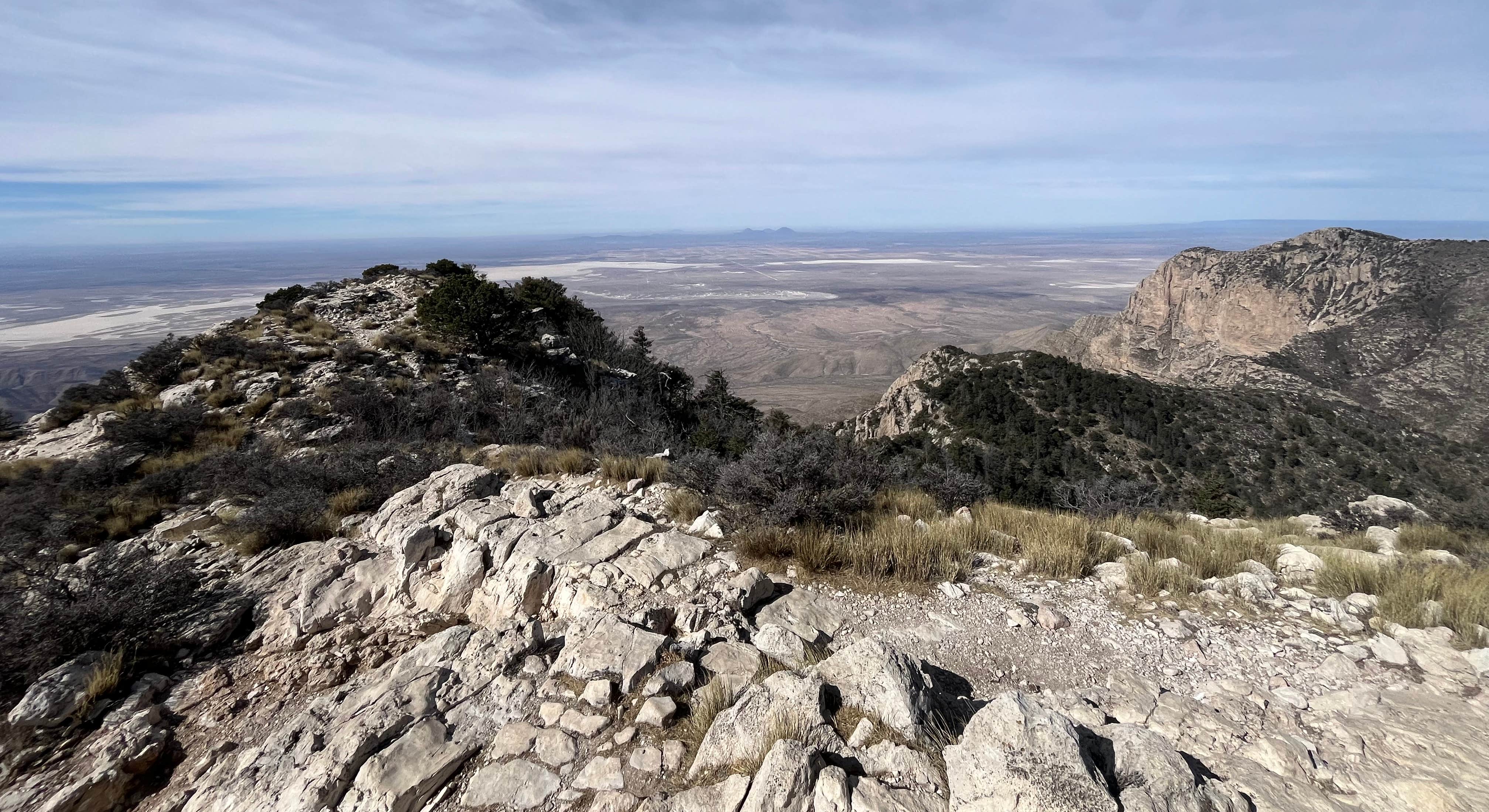 Photo by Ethan R
Planning Your Guadalupe Mountains Camping Trip 
When to Visit Guadalupe Mountains NP
| Season | Average Temps (High/Low) | Camping Conditions |
|---|---|---|
| Spring (Mar-May) | 70-80 degrees F days, 40-50 degrees F nights | Windy season early (Mar); mild days and cool nights. Wildflowers bloom Mar/Apr in lower canyons. All campgrounds open. High demand Mar-Apr (spring break). Late spring storms possible in May. |
| Summer (Jun-Aug) | 80-90 degrees F days, 60-65 degrees F nights | Hot days with intense sun; lower desert areas can top 95 degrees F. Monsoon thunderstorms common in July/August afternoons (bring rain gear). All campgrounds open, but visitation actually lighter than spring/fall. Hike early to avoid midday heat. |
| Fall (Sep-Nov) | 70-75 degrees F days (Sept) to 50-60 degrees F (Nov); 40s nights | Peak season - ideal weather and famous McKittrick Canyon fall colors (late Oct). Campgrounds often full on October weekends. September is warm and less crowded, November brings cooler temps and the start of very strong winds. All facilities remain open. |
| Winter (Dec-Feb) | 50-60 degrees F days, 25-35 degrees F nights | Cold, windy conditions common. Occasional snow or ice at higher elevations (Pine Springs & Dog Canyon get light snow a few times a winter). Pine Springs Campground stays open; access roads rarely close but high winds can make tent camping challenging. Very low visitation - often plenty of sites open. |
Spring (March-May): Spring brings generally mild days and cool nights, making it one of the best times to camp. March can still be blustery and chilly (freezing nights are possible in early spring), but desert wildflowers start blooming by April in areas like McKittrick Canyon and the foothills. By May, temperatures are very pleasant (70s degrees F days) though winds can still gust over 30-40 mph at times. Both Pine Springs and Dog Canyon campgrounds are open year-round, and spring sees sites filling especially around spring break and Easter. Pack layers - a warm jacket for the windy evenings and a sturdy tent that can handle sudden spring gusts.
Summer (June-August): Summer is the hot season in the Guadalupes. Daytime highs in the park's mid elevations hover in the 80s-90s degrees F, with strong sun and low humidity. Monsoon season peaks in July and August, bringing afternoon thunderstorms, brief downpours, and lightning - plan hikes for early mornings and be prepared to take shelter from storms. Nights remain comfortable in the 60s degrees F at Pine Springs (cooler up at Dog Canyon), offering relief from the daytime heat. Both campgrounds are usually less crowded than in spring/fall, but popular trailhead-adjacent sites can still book up. A wide-brimmed hat, ample sunscreen, and carrying extra water are absolute musts for summer camping here. The reward? Incredible summer sunsets and warm evenings perfect for stargazing (just watch out for occasional rain).
Fall (September-November): Fall is arguably the prime time to camp in Guadalupe Mountains. Early fall (September into early October) features pleasant warm days in the 70s degrees F and cooler nights, with generally lighter crowds than summer. By mid-October, the famous bigtooth maple trees in McKittrick Canyon turn brilliant red and gold, drawing leaf-peepers and boosting visitation. Late October weekends are often the park's busiest - campgrounds can fill to capacity. Temperatures drop through November, and by then the first frosts and occasional dustings of snow can appear on the high peaks. Wind season begins in November, so campers might encounter powerful gusts, especially at Pine Springs. Still, the clear, crisp autumn air and fall colors (which can linger into early November at lower elevations) make this season magical. Pack a warm sleeping bag and be ready for calm, sunny days followed by brisk nights.
Winter (December-February): Winter in the Guadalupes is cool and quiet. The high winds of late fall continue into winter - gusty days exceeding 50 mph are not uncommon, which can test the limits of your tent anchoring. Daytime highs can be comfortable (50s degrees F), especially on sunny days, but nights often dip well below freezing (20s degrees F are common in Pine Springs). Snowfall is sporadic: a few inches might blanket Pine Springs or Dog Canyon a couple times a winter, but it usually melts within a day or two at camp elevations. Trails to the highest peaks (e.g., Guadalupe Peak, Bush Mountain) may hold snow or ice longer - carry traction devices if attempting those in winter. Despite the challenges, winter offers solitude: you might be one of only a handful of campers in the entire park, enjoying absolute silence and incredibly clear night skies. Mammals like mule deer and elk frequent the quiet campgrounds in winter. If you're hardy and well-prepared (extra guy-lines for your tent, sub-freezing rated sleeping bag, etc.), winter camping here can be a peaceful adventure.
Guadalupe Mountains Reservation Systems Explained
All developed campgrounds in Guadalupe Mountains use the Recreation.gov reservation system - there are no first-come, first-served frontcountry sites aside from occasional short-term availability due to cancellations. Here's how the system works:
Recreation.gov (NPS Campgrounds): Pine Springs Campground, Dog Canyon Campground, and the Frijole Horse Corral group site are all reserved through Recreation.gov. Reservations open on a 6-month rolling window; for example, a campsite for October 15th becomes available on April 15th at 8:00 AM (Mountain Time). It's recommended to create your Recreation.gov account and be logged in before the release time. Popular dates (spring break, fall color season in late October) can literally book up within minutes of becoming available.
Group Sites: The group camps at Pine Springs (two sites), Dog Canyon (one site), and the horse corral (one site) also appear on Recreation.gov. Group capacity ranges from about 10 to 20 people. These often remain available longer than individual sites, but if you need one, try to reserve early as well. Group reservations for spring and fall weekends are in high demand by scout troops, hiking clubs, and equestrian groups.
Backcountry Permits: While not part of Recreation.gov, it's worth noting that backcountry/wilderness camping in Guadalupe Mountains requires a free but in-person permit (available at Pine Springs Visitor Center up to 24 hours before your trip). These are first-come, first-served for the designated wilderness campsites. During busy times (holiday weekends in fall/spring), arrive early in the day to secure a permit for popular backcountry sites like Guadalupe Peak or McKittrick Ridge.
For all reservations, plan ahead. Mark your calendar for the 6-month-out date of your trip and book as soon as you can. If a campground is fully reserved, keep checking back on Recreation.gov - campsites can reopen due to cancellations, especially in the last week or two before the reservation date.
Guadalupe Mountains NP Campground Costs and Budgeting
Camping in Guadalupe Mountains is relatively affordable, especially compared to private campgrounds or RV parks in the region. Here's a breakdown of typical costs:
| Campground Type | Nightly Cost | Key Details |
|---|---|---|
| Individual Sites (Tent/RV) | $20 per site | Standard rate at Pine Springs & Dog Canyon for up to 6 people and 2 tents or 1 RV. Same price for tent or RV pads. |
| Group Campsites | $60 per site | Flat rate for group sites (10-20 people). Only available at Pine Springs, Dog Canyon, and Frijole Horse Camp. Must be reserved in advance. |
| Backcountry Camping | Free | No nightly fee for wilderness campgrounds, but a permit is required (obtain at visitor center). $0 cost, though a $6 fee may apply for the permit itself (per group). |
| Private RV Parks (nearby) | $20-$45 per night | Full-hookup RV parks in Carlsbad, NM or Van Horn, TX. Offer showers, electricity, etc., as alternatives when park sites are full or for more amenities. |
Additional Costs and Budget Tips for Guadalupe Mountains
Park Entrance Fee: Remember that in addition to camping fees, each visitor 16 or older needs to pay the park entrance fee ($10 per person, valid for 7 days) or have an appropriate national parks pass. If you're a frequent traveler, the $80 America the Beautiful annual pass covers Guadalupe Mountains and all other federal lands for a year.
Fuel and Supplies: Guadalupe Mountains NP is remote - there are no services in the park for gas or groceries. The nearest fuel and basic groceries are in Whites City or Carlsbad, NM (35-60 miles north) or in Dell City, TX (45 miles south, very limited services). Plan your budget to fill your tank and stock up on food/water/ice well before arriving. Prices in small towns like Whites City can be higher due to the location.
Water: Potable water is available for free at Pine Springs and Dog Canyon campgrounds (you can fill bottles and jugs). However, since there are no hookups, RV campers may choose to carry extra water or fill tanks beforehand (note: no hose connections are available at Pine Springs, only bottle filling). There is also no on-site dump station - the closest free dump is in Carlsbad.
Firewood & Campfires: Wood or charcoal fires are not allowed in the park at all, so you won't need to purchase firewood or charcoal. If you'd like a campfire outside the park, some nearby private campgrounds or BLM sites allow fires (when no burn bans) and often sell firewood for ~$10/bundle. Always check fire regulations, as this region is prone to wildfire danger.
Showers and Miscellaneous: Since the park has no showers, many campers budget a stop at a nearby facility if a trip is more than a few days. The White's City RV Park (at the Carlsbad Caverns entrance) offers hot showers for a fee (around $5) and has laundry machines. Similarly, if you stay at a private campground before/after your park stay (like in Carlsbad), factor in $10-$15 for laundry or shower usage. Otherwise, expect a dusty adventure and embrace the dirt until you leave!
Budget Alternatives: If the $20/night campground fee is a concern or sites are full, note that dispersed camping near Guadalupe Mountains National Park is an option nearby. For example, Sunset Reef Campground (a free first-come BLM site 12 miles north, between Guadalupe Mountains and Carlsbad Caverns) costs $0 and offers a vault toilet and picnic tables. Likewise, Chosa Campground and other dispersed camping areas near Carlsbad Caverns are free BLM areas within 30-45 minutes. Always practice Leave No Trace at these sites. Staying outside the park can save money, but you'll sacrifice the convenience of being at the trailheads.
Essential Gear for Guadalupe Mountains Camping
Campers should plan for wind, sun exposure, and temperature swings throughout the year.
Recommended essentials include:
- Wind-resistant tent with extra stakes or guylines
- Layered clothing suitable for warm days and cool nights
- Sun protection, including hat and sunscreen
- Ample water storage
- Camp stove and fuel
- Headlamp or flashlight
- First-aid kit
- Navigation tools for hiking routes
Supplies are not available inside the park, so all gear should be packed in advance.
 Photo by The Dyrt
Wildlife Safety and Park Regulations 
Wildlife Safety in Guadalupe Mountains
Despite its desert environment, Guadalupe Mountains National Park is home to plenty of wildlife - from small critters that invade campsites to large, rarely-seen predators in the high country. Respecting the wildlife and following safety guidelines is crucial for both your protection and the animals'.
Camp Critters and Food Storage:
At night, skunks, raccoons, foxes, ringtails, and mice are known to roam the campgrounds scavenging for food. Always secure your food and scented items:
- Store all food, trash, and toiletries in a hard-sided vehicle (or in hard-sided containers) when not in use. Do not leave any food or coolers out unattended, even in the middle of the day.
- Keep your tent free of anything with an odor. A curious rodent can chew through a tent if it smells granola bars inside.
- Dump all grey water (from washing dishes etc.) in the designated utility sinks, not on the ground - food residues on the ground attract animals.
- Trash should go into the animal-proof dumpsters or trash cans at the campground. If a can is full, carry out your trash rather than leaving it next to the bin.
- If you're cooking, clean up promptly. Even small crumbs or spilled liquids can entice nocturnal visitors.
By diligently managing your food and waste, you'll avoid most unwanted wildlife encounters in camp. Remember, a fed animal is a dead animal - habituating wildlife to human food can lead to aggressive behavior and ultimately the removal of that animal. Help keep wildlife wild.
Larger Wildlife - Mountain Lions and Bears:
Mountain lions (pumas) and black bears do live in the park, particularly in the higher elevations and wooded canyons. Sightings are very rare, but you should still know how to react:
- If you encounter a mountain lion: Do not run. Make yourself look big - raise your arms, open your jacket - and maintain eye contact. Back away slowly if possible. If the cougar approaches, be loud and bold; throw rocks or sticks if available. Fight back aggressively only if attacked.
- If you encounter a black bear: Black bears in this region are typically shy. If you see one, make noise and wave your arms - give the bear an escape route to leave. Do not approach it. In the extremely unlikely case a bear approaches you, stand your ground and use loud noises to deter it. (Bear attacks in Texas are exceedingly rare - the goal is to avoid getting close to them in the first place.)
- Hiking in groups and making noise on trails (talking, using trekking poles, etc.) can prevent surprising a lion or bear. Most will avoid you if they know you're coming.
- Never feed or intentionally get close to wildlife, large or small. This includes the resident mule deer and elk - they may seem tame near campsites, but they are wild and can be unpredictable, especially during breeding seasons.
It's worth noting that no grizzly bears exist in Texas; only black bears, and those are few. Carrying bear spray is generally not necessary in Guadalupe Mountains as defensive encounters are almost unheard of - however, if it gives you peace of mind, you may carry it (just know how to use it properly).
Rattlesnakes and Other Reptiles:
The park's desert ecosystem includes rattlesnakes (like the black-tailed rattlesnake and rock rattlesnake), which are most active in warmer months and at dawn/dusk.
- Pay attention when walking in the dark - use a flashlight at night to avoid stepping on a snake that might be passing through camp.
- Never reach blindly into rock crevices or under brush piles where a snake might be sheltering.
- If you hear the telltale rattle, locate the snake visually and give it a wide berth. They rattle as a warning - respect it and slowly move away.
- At camp, always shake out your boots or shoes in the morning before putting them on, in case a small scorpion or spider crawled in. Same goes for sleeping bags or clothing left on the ground.
- Teach children not to pick up any snakes or lizards; even non-venomous snake bites hurt and can get infected.
For insect bites/stings - carry some basic first aid for bee stings or ant bites (which can happen, as red harvester ants are common). Keep tents zipped to prevent scorpions or spiders from joining you in your sleeping bag.
Appreciate the wildlife from a distance. Most animals want nothing to do with humans; following these guidelines will keep you and the park's creatures safe. If you have a notable wildlife encounter (like seeing a bear, mountain lion, or unusual behavior), report it to a ranger at the visitor center.
Guadalupe Mountains Park Regulations and Etiquette
Every camper in Guadalupe Mountains National Park should follow the park's rules to protect the fragile environment and maintain a pleasant visit for all. Key regulations include:
| Regulation | Details |
|---|---|
| Camp only in designated sites | No dispersed car camping allowed. You must use one of the established campgrounds or have a permit for a designated wilderness campsite. Camping outside of designated areas (including parking lot overnighting) is prohibited. |
| Length of Stay | 14 consecutive night limit in any 30-day period; 60 nights total per year in the park. This applies cumulatively across all campgrounds. Campgrounds are open year-round, 24/7. |
| Fires | No wood or charcoal fires anywhere in the park, including campgrounds. Only gas/propane camp stoves or contained-fuel lanterns are permitted. Smoking is allowed only in vehicles or designated areas due to fire risk. |
| Quiet Hours | 8:00 PM to 8:00 AM. Generators and loud engines may not be operated during quiet hours. During daytime, keep noise reasonable - sound carries far in the desert. Respect fellow campers seeking solitude. |
| Pet Restrictions | Pets are allowed in campgrounds on leash (max 6 ft) but are not permitted on nearly all trails. You can walk leashed pets only in the campground, along the short paved path by the Visitor Center, and the Pinery Trail. Do not leave pets unattended (it's unsafe for them and others). Always clean up after your pet; bags should go in trash receptacles. |
| Waste Disposal | Pack out what you pack in. Use provided dumpsters for garbage - don't leave trash at your site or in restrooms. Dump all dishwater in the utility sinks by restrooms (never on the ground). There are no recycling facilities in the park, so think about taking recyclables with you until you find one outside. |
| Historical Artifacts & Nature | Do not disturb or remove anything you find - rocks, fossils, artifacts, plants, animals, antlers, etc. It's illegal to collect or deface natural and historical objects. Leave everything for the next visitor to enjoy. |
| Drones and Firearms | Drones are not allowed in national parks, Guadalupe Mountains included. Firearms are generally permitted to possess (per state law) but cannot be discharged in the park and are prohibited in federal buildings. Always exercise utmost caution and respect if transporting firearms. |
Additional Guidelines: Park rangers do patrol the campgrounds, especially in the evenings. They may warn or cite violators. In extreme cases (for instance, causing a safety hazard or disturbing wildlife), campers can be asked to leave the park. Thankfully, such incidents are rare - the atmosphere in these campgrounds is usually friendly and respectful.
A few more etiquette tips:
- Leave No Trace: Practice LNT principles. This means not only packing out trash, but also minimizing impact on the site. Don't carve on picnic tables or trees, don't trench around tents, and restore the area if you moved rocks or cleared debris for your tent.
- Be mindful of water use: It's a desert - keep your water usage conservative. Don't let faucets run unnecessarily. When using the utility sink, strain food bits out of your grey water (trash them) to avoid clogging systems or attracting animals.
- Generators and Lights: If you must run a generator during allowed hours, do so sparingly and think about neighbors - many come for peace and quiet. Likewise, avoid shining bright lights or lanterns into other campsites at night. The stars should be the brightest thing around!
- Trail Etiquette: When hiking from camp, stay on established trails to prevent erosion and protect fragile soil crusts. Yield to uphill hikers, and if you're in a large group, hike single-file to let others pass.
By following these regulations and courteous practices, you'll help preserve Guadalupe Mountains for future campers and make sure everyone has a great visit. If ever in doubt about a rule, check the information boards at the campground or ask a ranger.
Beyond the Campground: Activities and Exploration 
Day Trips from Guadalupe Mountains Campgrounds
One of the greatest advantages of camping inside the park is the easy access to Guadalupe Mountains' attractions. Whether you're based at Pine Springs or Dog Canyon, plenty of adventures await just a short hike or drive away.
From Pine Springs Campground:
Guadalupe Peak - The trail to the "Top of Texas" begins a few hundred yards from the campground. It's an 8.4-mile round trip with 3,000 feet elevation gain to reach Guadalupe Peak (8,751 ft). Many campers step out at dawn to tackle it and are rewarded with panoramic views over the desert and the famous summit monument.
Devil's Hall - Starting right at Pine Springs, this moderate 4.2-mile round trip hike leads into a dramatic canyon wash. You'll scramble over polished boulders and through a narrow rock hallway. It's a perfect half-day adventure (allow ~2-3 hours). Best done in the morning before it gets hot.
McKittrick Canyon - A must-do especially in autumn. The McKittrick Canyon trailhead is a 7-mile drive east of Pine Springs. A day trip there might include hiking 2.4 miles to Pratt Cabin (easy) or 3.4 miles to the Grotto and Hunter Line Shack (moderate). In late October, the canyon's maples blaze with color. Even in other seasons, the trail offers spring-fed streams, shady trees, and the small visitor center/nature trail at the start. Plan for a half or full day and pack a picnic - no camping is allowed in McKittrick, making your return to Pine Springs that much sweeter.
Frijole Ranch & Smith Spring - Just 1.5 miles from Pine Springs Campground, the historic Frijole Ranch site offers a small museum (check if open) and a trail to two desert springs. The Smith Spring Loop (2.3 miles) is a pleasant short hike that starts at Frijole Ranch. It leads to a rare oasis of water shaded by maples and oaks - a nice contrast to the surrounding desert. This is an easy trip you can do in a morning or late afternoon.
Carlsbad Caverns Day Trip - If you have an extra day, Carlsbad Caverns National Park is only 35 miles north (about a 45-minute drive from Pine Springs). Many campers will reserve a morning cave tour at Carlsbad, spend half a day visiting the underground wonderland of Carlsbad Cavern, and then return to Guadalupe Mountains by evening. It makes for a long day but is very feasible, and you can catch sunset back at camp.
From Dog Canyon Campground:
Lost Peak - This 6.4-mile round trip hike (strenuous, ~1,500 ft elevation gain) starts right from Dog Canyon Campground via the Tejas Trail. It leads to a lofty viewpoint on the ridge (Lost Peak, elev. ~7,800 ft) overlooking New Mexico's Lincoln National Forest to the north. Because Dog Canyon is already high up, you're in the alpine zone quickly - expect beautiful mountain meadows and potential wildlife like elk along the way.
Marcus Overlook - A shorter option from Dog Canyon: 4.5 miles round trip on the Bush Mountain Trail takes you to Marcus Overlook. It's a moderate hike with about 800 ft gain, offering a panorama looking southward into West Dog Canyon and across to Guadalupe Peak's backside. Many campers do this in 2-3 hours. Sunrise or sunset from the overlook is particularly nice (just remember you'll hike back in low light if you linger for sunset - bring a headlamp).
Indian Meadow Nature Trail - An easy 0.6-mile loop right around the Dog Canyon Campground. This interpretive trail winds through a grassy meadow with scatterings of ponderosa and oak. It's great for stretching your legs after dinner or for a gentle stroll to birdwatch. Interpretive signs provide insight into the flora, fauna, and history of Dog Canyon. Keep an eye out for the resident acorn woodpeckers and maybe an elk or two grazing at dusk.
Sitting Bull Falls (Lincoln NF) - If you're up for a scenic drive and a splash of water, Sitting Bull Falls Recreation Area is about 1 hour north of Dog Canyon (reached via NM-137 through Queen, NM). This BLM-managed site features a gorgeous 150-foot waterfall tumbling into natural pools. It's a fantastic picnic spot where you can wade or take a quick dip to cool off. There are short hiking trails above the falls as well. Note: It's day-use only and has an entry fee, but many Dog Canyon campers make the trip on a hot summer day.
Whether you're summiting peaks, visiting hidden canyons, or finding nearby attractions, camping in Guadalupe Mountains positions you perfectly for day trips that show the park's varied landscape. Just remember to start early for longer hikes (to avoid midday heat in summer or to make sure you return by dark in shorter winter days). Always sign trail registers when available and carry The Ten Essentials - these mountains are remote and rescue resources are limited.
Top Hiking Trails Near Guadalupe Mountains Campgrounds
| Trail Name | Difficulty & Distance | Trail Highlights |
|---|---|---|
| Guadalupe Peak Trail | Strenuous 8.4 miles round-trip | Highest point in Texas (8,751 ft); 360-degree summit views; well-maintained but steep; starts at Pine Springs |
| Devil's Hall Trail | Moderate 4.2 miles round-trip | Canyon wash hike to a natural rock hallway; fun rock scrambling; best in spring/fall; trailhead at Pine Springs |
| McKittrick Canyon Trail | Easy to Moderate Up to 6.8 miles round-trip | Follows a lush canyon stream to Pratt Cabin (4.8 mi RT) or the Grotto (6.8 mi RT); famous fall colors; trailhead 7 miles from Pine Springs |
| Smith Spring Loop | Easy 2.3 miles round-trip | Loop trail from Frijole Ranch to a shaded spring; good family hike; bird-watching; short drive from Pine Springs |
| Lost Peak via Tejas Trail | Strenuous 6.4 miles round-trip | High-country vistas; alpine flora and possible elk sightings; departs from Dog Canyon Campground; 1,500 ft elevation gain |
| Marcus Overlook | Moderate 4.5 miles round-trip | Sweeping canyon overlook; accessible from Dog Canyon; quieter trail with chances to see wildlife; 800 ft gain |
Trail Access and Starting Points:
Pine Springs Trailhead Hub: Campers at Pine Springs enjoy immediate access to several marquee trailheads. The Guadalupe Peak Trail and Devil's Hall Trail both start essentially inside the campground area - no driving required. For McKittrick Canyon, a short 10-minute drive on US 62/180 gets you to that separate trailhead (note: McKittrick has specific daytime hours - you must exit the canyon before sunset). The Bowl, El Capitan Trail, and Bush Mountain Trail also can be accessed from Pine Springs (these are longer routes for experienced hikers or for overnight backpacking). Essentially, if you're staying at Pine Springs, you're sleeping at the primary trail junction for the park - take advantage of early starts to beat day-use crowds and heat.
Dog Canyon Trails: From Dog Canyon Campground, you can hike directly into the high country on the Tejas Trail (toward Lost Peak and connecting to the Bowl area) or on the Bush Mountain Trail (toward Marcus Overlook and ultimately looping back deeper into the range). These trails are less traveled than those at Pine Springs. An important thing to note: because Dog Canyon is a dead-end road with no through-traffic, trail use is lighter - you might not see another hiker all day. Always sign in at trailhead registers near Dog Canyon so rangers have a record of your plans. The Indian Meadow Nature Trail, an easy loop, begins right from the campground and is a nice evening stroll for any fitness level.
Weather and Timing: Regardless of trail, always check the weather forecast before heading out. High winds can make ridge hikes difficult, and storms can turn dry washes into flash flood zones (Devil's Hall route, for example). In summer, start at sunrise to finish by early afternoon when thunderstorms are likeliest. In cooler months, days are shorter - carry a headlamp in case hikes take longer than expected.
Navigation: Trails in Guadalupe Mountains are well-marked at junctions and generally easy to follow, but they are often rocky and rugged. Carry the park's trail map. Some trailheads (like Pine Springs) have free paper maps at the signboard - grab one. Cell service is unreliable on trails, especially in canyons or far from the highway (McKittrick has no service deep in). Let someone know your plans if possible.
Water Activities and Ways to Cool Off
As a high desert park, Guadalupe Mountains is not known for water-based recreation - there are no lakes for swimming or rivers for paddling. Most year-round water in the park exists as small springs or seeps. However, campers can still enjoy and appreciate the rare water sources and find ways to beat the desert heat:
Spring-Fed Oases: Trails like Smith Spring and McKittrick Canyon lead to perennial springs where water-loving plants thrive. While swimming is not possible (and wading is discouraged to protect these fragile habitats), these spots provide cool shade and a respite from the sun. Smith Spring, for instance, has a clear pool and dripping spring - a lovely place to sit quietly and watch for wildlife (many animals visit at dawn/dusk to drink). Always purify any water you might take from natural sources if you're low on water - but note that springs can be seasonal or low-flow, especially in drought periods.
Sitting Bull Falls: As mentioned earlier, one of the best ways to get wet is outside the park at Sitting Bull Falls (in Lincoln National Forest). This waterfall creates pools suitable for wading or a quick dip. It's a popular spot for locals on hot days. There are picnic tables and restrooms at that site, making it a nice half-day getaway. Because it's outside the national park, normal rules about not entering water don't apply - just exercise caution on slippery rocks and respect any USFS rules posted (sometimes high bacteria levels after rains might temporarily discourage swimming).
Rattlesnake Springs (Carlsbad Caverns NP): Another nearby off-park site, Rattlesnake Springs (about 40 minutes north of Pine Springs) is a historic spring and pond area. There's no swimming (it's a protected area), but it's an idyllic picnic spot with huge shade trees and lots of birds drawn to the water. If you're craving the sight and sound of water, a short trip there can be soothing; the picnic area has grass, which might be a welcome change from desert dust.
Beat the Heat in Camp: If you're at Pine Springs in the summer, note that there is a water faucet and utility sink - some campers use the sink area to wet a bandana or shirt and drape it over their neck to cool off. (You can't bathe in the sinks, but splashing some water on your face or soaking a hat is fine.) A small inflatable basin can serve as a foot bath at your site - nothing like cold water on tired feet after a long hot hike! Just remember to dispose of that water in the proper drains, not on the ground.
Sunrise/Sunset Strategy: Often the best way to enjoy "water activities" here is simply adjusting your routine: hike in the early morning or late evening when temperatures are lower. Midday, find shade (there are covered picnic shelters at Pine Springs near the amphitheater) or even retreat to the air-conditioned Visitor Center museum for a bit. By avoiding exertion at the hottest times, you won't miss the absence of swim holes quite as much.
Safety Note: Never enter narrow canyons or arroyos if heavy rain is forecast upstream. Flash floods are rare but possible in this region, and they can be extremely dangerous. McKittrick Canyon and Devil's Hall both have sections that could flood - pay attention to weather, especially in July-September.
While Guadalupe Mountains doesn't offer the boating or swimming opportunities of some parks, its springs and water-adjacent hikes provide a unique appreciation for water in an arid land. The scarcity of water makes seeing it even more special. Soak in the sounds of a babbling brook at McKittrick or the trickle of Smith Spring - it's a reminder of how precious water is in the desert. And when you need to cool down, nature has provided cool mountain breezes, shady canyon walls, and the occasional waterfall nearby to do the trick.
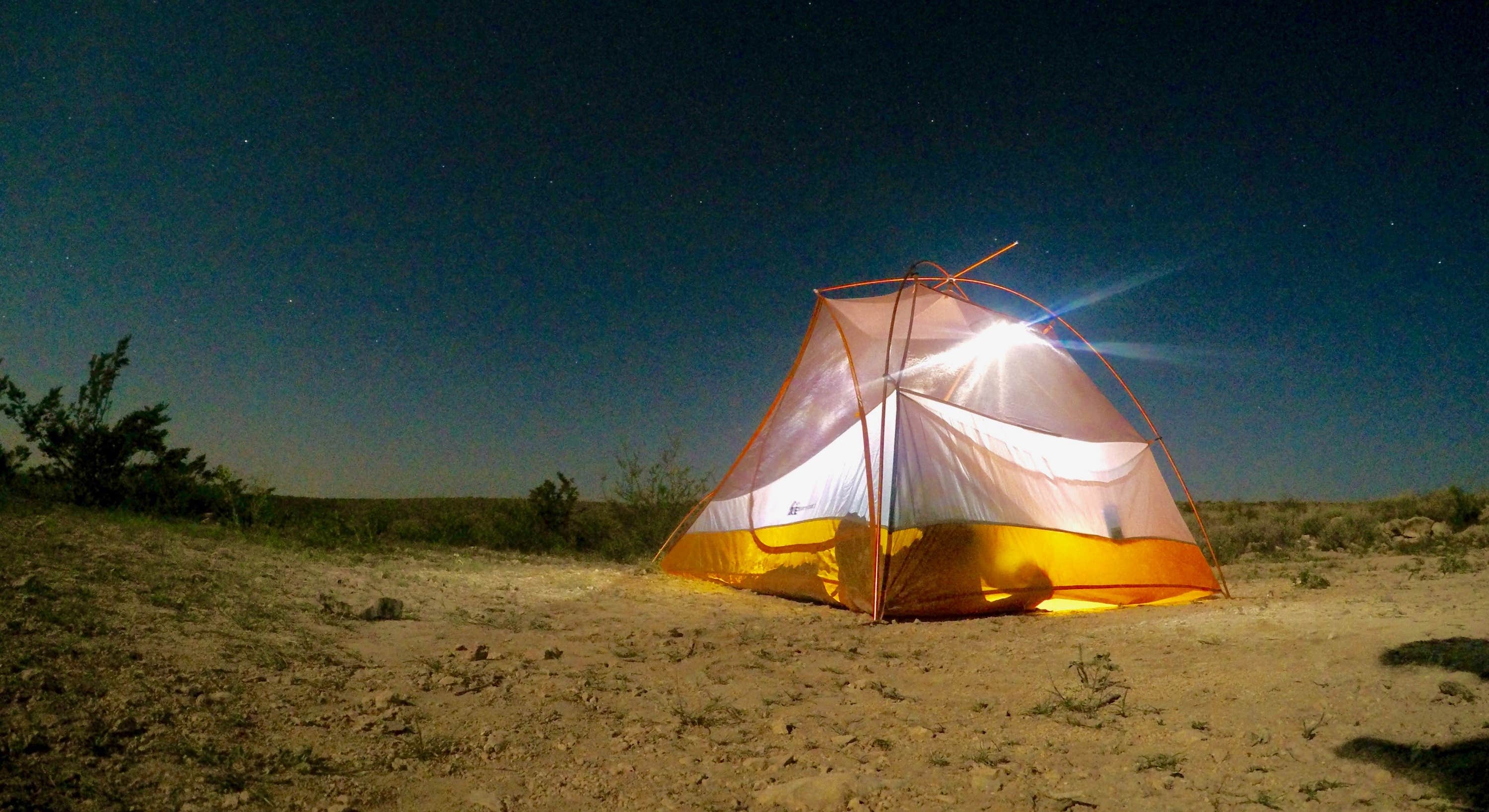 Photo by Ron W
The Dyrt Community Insights 
Ranger Recommendations
Experienced campers and reviewers on The Dyrt have spent plenty of time in Guadalupe Mountains' campgrounds. Here are a few insider tips and recommendations shared by park-savvy campers (often referred to as Dyrt Rangers):
Best Campground for Solitude: "Dog Canyon is the hidden gem," writes one camper who has done multiple trips to the park. "On a November weekday, I was one of only two people camping there. It's blissfully quiet compared to Pine Springs. The trade-off is the long drive - but that's a pro for me, not a con!" Indeed, many experienced visitors suggest that if you're seeking peace, make the scenic drive to Dog Canyon. It's also noted to be more sheltered from the notorious winds, making for a more comfortable tent camping visit.
Dealing with the Wind: Several seasoned campers mention the wind as a defining factor. One Dyrt Ranger advises: "Bring extra-long tent stakes and a roll of duct tape." They recount a night at Pine Springs when a neighbor's tent went airborne because it wasn't staked down well. Another tip: position your tent low to the ground and behind any natural windbreak if possible (small trees or boulders). "Camping in Guadalupe Mountains will teach you to guy out every tent stake loop you've got," says a camper who now never leaves home without 8 stakes minimum. If high winds are forecast, some suggest using your vehicle as a windblock on the upwind side of your tent (where possible in your site).
Favorite Tent Sites at Pine Springs: While Pine Springs campsites are fairly similar, a few reviewers noted that tent sites in the higher numbers (15-20) are slightly further from the busy trailhead and day-use parking, offering a bit more tranquility. "We loved site #18," one reviewer shares. "It had a rock formation that gave us afternoon shade and it was relatively private." Others suggest avoiding tent sites right next to the restroom if you're sensitive to foot traffic or nighttime door noise (sites #1 and #2 at Pine Springs are closest to the bathroom). In general, any site will have great views, but some on the outer edge of the loop have unobstructed panoramas of El Capitan and the desert plains.
Timing Your Visit for Fall Colors: A tip repeated by several experienced visitors: "Aim for the last week of October if you want to see McKittrick Canyon in full fall color." They caution that this is becoming more popular each year, so weekdays are better than weekends to snag a campsite and enjoy the trails without the crowd. "We went October 25th and it was peak - absolutely amazing maples," one Ranger writes, "but the Pine Springs Campground was full by midday." The recommendation is to reserve your site well in advance for late October and think about hitting the famous trails on weekdays or very early in the morning.
Top-Rated Sites from The Dyrt Community
| Category | Top Pick & Rating | Key Highlights |
|---|---|---|
| Highest-Rated Campground (Overall) | Dog Canyon Campground 4.8 / 5 | Secluded canyon setting, cooler temps, low wind, dark skies - beloved by those who make the trek |
| Best Views from Camp | Pine Springs Campground 4.5 / 5 | Views of El Capitan & Guadalupe Peak right from your site, trailheads at your doorstep |
| Best Free Camping Nearby | Sunset Reef BLM Camp 4.7 / 5 | Free campground 12 miles north (near Caverns); vault toilet, picnic tables, epic stargazing; great backup if park is full |
Community Insights and Recommendations
Wind and Weather Preparedness: The Dyrt community consistently emphasizes the need to prepare for Guadalupe's extreme weather. Many reviews mention wind above all else - for example, campers report staking down tents with extra guy lines and placing rocks over stakes. One reviewer quipped that after a night at Pine Springs, "I now know what it's like to sleep in a wind tunnel!" - said with a badge of honor. The takeaway is positive though: those who come prepared (good tent, layers for cold nights, etc.) tend to look back on the wild weather as part of the adventure rather than a deterrent. Checking the forecast, especially wind advisories, is a commonly cited tip.
Campground Atmosphere: Campers praise how clean and well-maintained the campgrounds are, despite the lack of many amenities. Vault toilets (at Dog Canyon when temps are low, flush the rest of the time) and flush toilets (at Pine Springs) are generally clean if simple. Quiet hours are respected; this is not a party park, and most visitors are in their tents early, tired from hiking. Reviewers often mention friendly encounters with fellow campers: swapping trail stories, sharing wildlife sightings, etc. Because Guadalupe Mountains draws a more "wilderness-inclined" crowd, the vibe is neighborly and respectful. Don't hesitate to chat with a ranger or campground host (if present) - they often share great tips like lesser-known trails or recent wildlife activity.
Comparing Pine Springs vs. Dog Canyon: Many community members have strong opinions on this - in a friendly way. Pine Springs fans point to the unbeatable convenience for hiking ("we rolled out of our tent at 6 am and were on Guadalupe Peak trail in minutes - try that from town!") and the iconic scenery ("watching first light hit El Capitan from camp - wow"). Dog Canyon devotees, on the other hand, talk about the peacefulness and natural setting ("turkey gobbling woke us up, not car doors or headlights"). Both campgrounds get high marks, but a recurring suggestion is: if you have time, do both. Spend a couple of nights at Pine Springs to tackle the popular hikes, then relocate to Dog Canyon for a night or two of relaxation and different trails. The drive between them is about 2 hours, making for a nice scenic transition through New Mexico ranch country and forest.
Local Wildlife Encounters: Campers love that you can see wildlife right in the campgrounds. In reviews, people frequently mention mule deer browsing near tents at dusk, the comical javelinas (collared peccaries) occasionally sniffing around the edges of Pine Springs, or the chorus of coyotes howling at night. Birdwatchers note that Pine Springs and Dog Canyon are great for spotting birds like hummingbirds, cactus wrens, and Mexican jays. One community tip: bring a small pair of binoculars. Not only for distant vistas, but to watch wildlife quietly from your campsite - you might catch sight of an Abert's squirrel in a tree or a falcon soaring above the cliffs.
Nearby Camping Alternatives: Some Dyrt users who couldn't get into Pine Springs or Dog Canyon have provided feedback on alternatives. Sunset Reef Campground to the north gets a thumbs-up for being convenient and free, though "not nearly as scenic as inside the park, and very little shade" one user notes. Whites City RV Park is acknowledged as "nothing fancy but super close to both parks (Caverns and Guadalupes) - good for a shower and refuel." A couple of budget-minded travelers said they mixed it up: a few nights in the park, a night at an RV park to recharge devices and shower, then back out. This hybrid strategy can be useful for longer trips. Additional options include glamping near Whites City and dispersed camping near Dell City for different camping styles.
The community feedback boils down to this: Guadalupe Mountains camping is for those who value nature over luxury. If you come prepared and embrace the elements, you'll fall in love with the place. As one camper succinctly put it, "It's just a picnic table, a patch of gravel, and a sky full of stars - and that's all I needed."
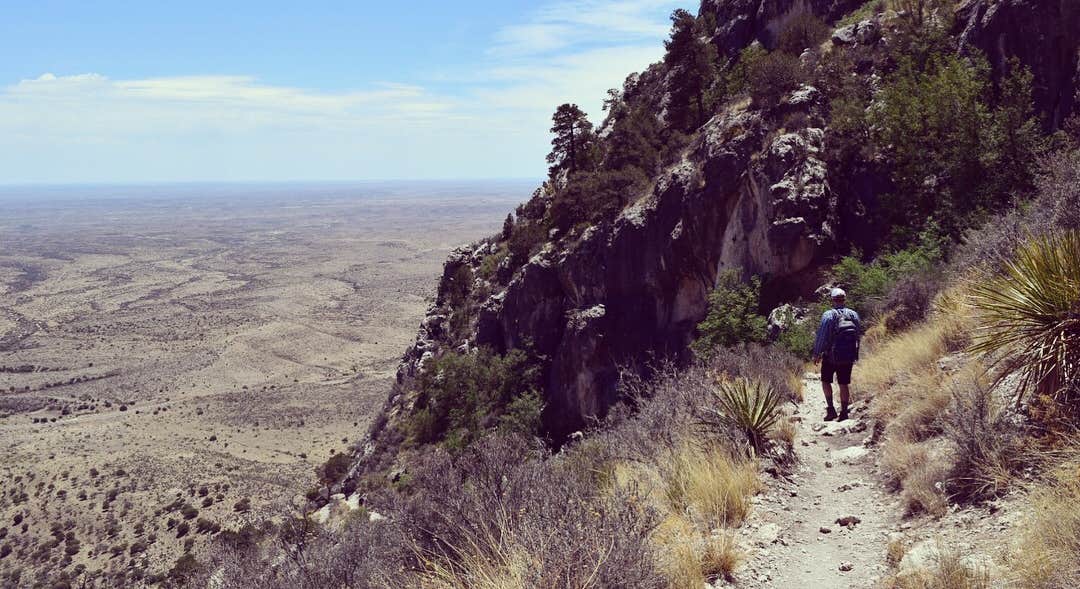 Photo by Casi O
Responsible Camping Practices 
Camping in a fragile desert mountain environment comes with extra responsibility. By following Leave No Trace principles and a few desert-specific guidelines, you can help make sure that your stay doesn't harm the ecosystem or spoil the visit for others.
Practice "Pack It In, Pack It Out": This classic rule is critical here. The park has limited trash facilities (and no recycling) - minimize waste where you can. Pack out all garbage, leftover food, and litter. Micro-trash (like small wrappers, bottle caps) is a big problem; double-check your site for tiny bits before you leave.
Leave Natural Objects and Animals Alone: The desert might tempt you with cool rocks, pretty flowers, or unusual critters. Enjoy them where they are. Do not collect rocks, fossils, or plants. It's illegal and disrupts the park's natural state. Likewise, do not harass or feed wildlife. Observing a lizard sunning on a rock is wonderful - let him enjoy his sun without interference.
Stay on Durable Surfaces: In camp, use the provided tent pad or bare ground for your tent and gear - avoid trampling vegetation. When hiking, stick to established trails. The desert soil often has a living crust of algae and lichens that prevents erosion; one footstep can kill years of growth. In backcountry camping zones, camp where others have camped (sites are designated) rather than making a new spot.
Be Careful with Fire and Flames: As noted, no open fires are allowed at all. Even your camp stove requires caution - make sure it's on a stable surface so it won't tip and cause a brush fire. Smoking should be done responsibly (and only in permitted areas like near your car) - fully extinguish and pack out cigarette butts. The combination of dry plants and wind makes fire an ever-present risk.
Conserve Water and Keep It Clean: Water is scarce here, so don't waste it. When washing dishes, do it at the utility sink - not at the spigot where water will splash onto the ground unused. Never use soap in streams or springs (even biodegradable soap isn't truly safe for aquatic life). If you're backpacking and need to wash yourself or your cookware, do it 200 feet away from any water source and scatter the strained wastewater.
Respect Other Visitors: Sound travels in the canyons. Keep noise levels down, especially in the mornings and evenings. The vast majority of Guadalupe Mountains campers are here for peace, nature sounds, and maybe to hear the wind or wildlife. Use headphones if you want to listen to music. Around dark, use a red headlamp or keep your flashlight pointed at the ground, to preserve night vision (for you and others) and the dark-sky setting.
Wildlife and Food Scraps: Treat food waste like trash - don't throw apple cores, peanut shells, etc. into the bushes. People sometimes think "it's natural, it will decompose," but in a desert that can take years, and meanwhile it attracts animals to human areas. Even small crumbs can lead to habituation of animals. One trick: have a dedicated "food waste" bag at your camp where you put all leftovers, peels, coffee grounds, etc., then seal and trash it.
Graffiti and Vandalism: It's sad this has to be mentioned, but carving names or stacking rock cairns or scratching on historic structures is a big no. Unfortunately, even in remote parks, some folks leave marks. Don't be that person - the only mark you should leave is a flat spot on the ground where your tent was, and that should blow away with the next breeze.
Educate Yourself and Others: If you're new to desert camping, take advantage of the info the park provides. Read the brochure or displays about Leave No Trace. Sometimes rangers give evening talks at Pine Springs amphitheater on weekends - these often cover park preservation topics. Share these practices with your group, especially kids, so everyone is on the same page about caring for the park.
By following these responsible camping guidelines, you're contributing to the long-term health of Guadalupe Mountains National Park. The desert may seem tough, with its hardy cactus and cliffs, but it's actually an easily damaged environment that can take decades to recover. Treat it gently, and it will remain a wild wonder for generations to come. Remember the saying: Take only pictures, leave only footprints (and try to leave footprints only on the trail!). In Guadalupe Mountains, perhaps we modify that to: take only incredible memories, and leave only your thanks.
Guadalupe Mountains NP Top Camping Questions 
Do I need a reservation to camp, or can I just show up?
It's highly recommended to reserve in advance. Both Pine Springs and Dog Canyon campgrounds now take reservations via Recreation.gov, and they often fill up during busy periods (spring and fall weekends, holidays, and around late October for fall colors). While you might find a first-come spot on a random weekday or off-season night, there's no guarantee. Save yourself the stress and book ahead if possible. If you arrive without a reservation and the campgrounds are full, your options are camping outside the park (e.g., free BLM sites like Sunset Reef or paid spots in White's City/Carlsbad).
What's the weather like? Will I freeze or fry while camping?
It depends on the season - you could encounter both in the same trip! Generally, days are warm to hot, nights are cool to cold. Summer (June-Aug) brings hot days (80s-90s degrees F) but nights usually drop into the 60s at Pine Springs due to elevation. Afternoon thunderstorms are common then. Spring and fall have milder days (60s-70s) and chilly nights (40s). Winter days can be brisk (40s-50s) and nights often below freezing. Wind is a wild card year-round, especially strong in late fall through spring. Always check a forecast before your trip, and pack layers so you can adjust. It's wise to bring at least a lightweight hat and gloves even in summer (nights can surprise you). And conversely, even in winter, sunscreen and a sun hat are needed on those clear, sunny days.
Are campfires allowed at all? What about charcoal grills or propane fire pits?
No traditional campfires or charcoal grilling is allowed anywhere in Guadalupe Mountains NP. The risk of wildfire is too high. This means you cannot use wood or charcoal briquettes, nor ground fires. You can use camp stoves or grills that run on propane/liquid fuel as long as the flame is controllable and contained. Propane fire pits (the kind with lava rocks that run off a gas canister) are not allowed either - the park explicitly prohibits any device that is not solely for cooking or that produces embers. So stick to your camp stove for cooking, and if you miss the campfire ambiance, think about bringing a lantern or string lights for a bit of glow (and enjoy the stars as your cosmic campfire!). Always have any flame device attended and off when not in use.
How far is it to get supplies or gas if I run out?
Quite far - plan ahead so you don't have to "quickly" run to the store. The nearest gas station and store to Pine Springs is in White's City, NM (about 35 miles north on US 62/180). White's City has a small convenience store (with limited groceries and camping basics, and often higher prices). For a full supermarket, you'll need to go to Carlsbad, NM (~55 miles from Pine Springs, or about an hour drive). From Dog Canyon, your nearest gas/supplies are in Carlsbad as well, but that's a 70-mile drive (over 1.5 hours since the road is winding). Dell City, TX to the south has a tiny general store and sometimes gas, but check hours - it's not a 24/7 operation and is ~45 miles (1+ hour) from Pine Springs. Bottom line: fill your fuel tank and stock your groceries before entering the park. Bring more water than you think you need. It's best to arrive fully self-sufficient so you're not stuck taking a long detour for a gallon of milk or a forgotten item.
Is there cell service or Wi-Fi at the campgrounds?
Cell coverage is spotty. At Pine Springs, most campers on major networks (Verizon, AT&T, T-Mobile) report at least a weak signal, enough for texts and sometimes calls or light data - but it can be hit-or-miss. Often you might catch 1-2 bars of LTE if you're lucky. At Dog Canyon, assume no service; it's a dead zone for most carriers due to the remote canyon location. However, the park provides a nice alternative: free Wi-Fi is available 24/7 at the Pine Springs Visitor Center parking lot. Even after hours, you can often sit in your car near the visitor center and connect to "NPS-FreeWifi" or similarly named network - no password needed. This Wi-Fi isn't blasting out to the campground, but a quick drive or short walk from Pine Springs sites to the visitor center gets you connected to send messages or check weather. Don't expect to stream movies (bandwidth is limited), but it's enough for essentials. If being connected is critical, think about a satellite messenger or hotspot device. Otherwise, embrace the digital detox!
Can I bring my dog camping? What are the rules for pets?
Yes, you can bring your dog (or cat or other domestic pet) to the campgrounds, with important restrictions. Pets must be leashed at all times (6-foot leash max) and under control. You can have them in your campsite and walk them around the campground and along the short Pine Springs Visitor Center trail. However, pets are not allowed on any backcountry trails or most nature trails in Guadalupe Mountains. This is to protect wildlife and your pet (the park has many rattlesnakes and thorny plants, and even mountain lions that could harm pets). So you won't be able to take dogs on hikes like Guadalupe Peak, Devil's Hall, McKittrick, etc. If you bring a dog, realistically you'll be sticking to campground areas with them. Do not leave pets unattended - it can get very hot, very cold, or they can get into trouble (and barking unattended dogs disturb others). At Pine Springs, there's a small stretch they can walk between the campground and visitor center, plus the paved Pinery Trail by the visitor center (a short interpretive trail) - those are pet-friendly zones. Always clean up after your pet; bring poop bags and use the dumpsters. Lastly, remember that Carlsbad Caverns NP (nearby) does not allow pets in the cave and has limited kennel hours. If your trip includes excursions where Fido can't go, plan accordingly (someone stays with the pet, or utilize the kennel at Carlsbad Caverns during the day, which is first-come first-served).
What about RVs - can I use a generator, are there hook-ups?
The park campgrounds are pretty basic for RVs. No hook-ups for power, water, or sewer are available at either Pine Springs or Dog Canyon. RVs essentially park in designated spots (paved at Pine, gravel at Dog) and dry-camp. Generator use is permitted outside of quiet hours (so typically between 8 AM and 8 PM at Guadalupe). Be mindful of your neighbors if you run a generator - use it only as needed. Also, note that at Pine Springs, the RV sites double as trailhead parking in the daytime, so expect some vehicle noise and dust; many RVers mention it's not the most "relaxing" during peak hiking hours (but quiets down at night). Max RV lengths: Pine Springs says up to 50 feet can be accommodated (though maneuvering something that big in a parking lot space can be tight - call it 30 ft for comfort). Dog Canyon is strictly smaller rigs - 23 feet or less. There is no dump station in the park. The nearest dump is in Carlsbad (behind a bus station, free) or at private RV parks. Water: you can fill jugs at spigots, but you can't hook a hose to fill your whole tank at Pine Springs. If you need a tank fill, do it before coming or use the free potable water spigot at the Carlsbad dump station. Many RV campers use Guadalupe Mountains as a short stop (1-3 nights) due to the lack of amenities - essentially camping like tenters but with a hard side. It's absolutely worth it for the scenery and trails, just come with full prep (charged batteries, full fresh water, empty waste tanks). For those needing full hookups, check out Mountain View RV Park in nearby Texas or other Carlsbad area RV parks.
Are there any bears or other dangerous animals I should worry about at night?
Guadalupe Mountains does have black bears and mountain lions, but encounters with campers are exceedingly rare. These animals generally stick to higher elevations and avoid human activity. That said, it's good practice to keep a clean camp. Black bears here are timid - the park hasn't had significant bear problems in campgrounds like some parks do. You're much more likely to have a pesky raccoon or squirrel try to raid your snacks than a bear. Use common sense: lock food in your vehicle, don't sleep with food in your tent. As for at night, hearing coyotes yipping is common (they won't bother you). Snakes are inactive at night when it's cold; if it's a warm night, just use a light when walking to the bathroom to avoid stepping on one - but generally snakes steer clear of the busy campground. Scorpions and spiders could theoretically wander, but issues are infrequent - shaking out shoes is a good habit. There's no need to be fearful, just be mindful. Thousands of people camp here every year safely. If you do spot a bear or lion in or near camp (extremely unlikely), treat it as a serious sighting - get to a safe place (e.g., your car), and inform a ranger. But again, the smaller critters are the more practical "danger" to your sandwich.
What do I do with grey water (dirty dish water) or coffee grounds at the campsite?
Great question because proper grey water disposal is important in this park. Both Pine Springs and Dog Canyon campgrounds have utility sinks near the restrooms - these are specifically for dishwashing water or other grey water. So after you're done cleaning your dishes, strain out any food bits (pack those out in your trash), then pour the remaining water down the utility sink drain. Please don't dump it on the ground; food particles and soap can harm wildlife and create odors or mess for others. For coffee grounds or anything solid, put it in a trash bag (some people bring a dedicated "wet waste" container for things like that). If you used a small amount of water just to rinse something with no food or soap, scattering it is okay, but in general, funnel everything through the sinks. Never rinse dishes directly at the water spigots - nobody wants food residue on the spigot area, plus it attracts bees and wasps. And no washing up in the bathrooms either (they're small and not meant for cleaning gear or dishes). As for personal bathing water (if you do a sponge bath), similarly dispose of that water in the sinks. These rules keep the campgrounds clean and critter-free.
Is it true that Guadalupe Mountains has no services like stores, restaurants, or hotels?
Yes, that's true - this park is deliberately kept wild and undeveloped. There are no lodges, no restaurants, no gas stations, not even a camp store for snacks. The only buildings are the small Visitor Center and Ranger Station. So think of camping here as more akin to a wilderness visit with just a few basic facilities to park and pitch a tent. You need to bring everything you'll need with you. If you're driving in and realize you forgot something essential (say, bug spray or a rain jacket), your best bet is the gift shop in the Visitor Center - it stocks a very limited selection of souvenirs and a few emergency items (like maybe sunscreen, water bottles, simple snacks). But it's not a full store. The nearest real services are outside the park (e.g., the village of White's City near Carlsbad Caverns, or the towns of Carlsbad, NM and Van Horn, TX each about 1-1.5 hours away). So come prepared to be self-sufficient. Many people love this about Guadalupe Mountains - it's one of the least commercialized national parks. But if you're used to parks with cafes and gear shops, adjust expectations. Camping here means you are truly on your own for meals and supplies. The payoff is an uncrowded, authentic connection with nature. For alternative accommodations, cabin camping near Guadalupe Mountains and glamping options can be found in surrounding areas.
Can I do backcountry camping or backpacking in Guadalupe Mountains NP?
Absolutely - Guadalupe Mountains is a backpacker's paradise if you're up for challenging hikes. There are 10 designated wilderness/backcountry campgrounds in the high country (like Guadalupe Peak, Bush Mountain, Pine Top, etc.). To camp in those, you must get a free backcountry permit at the Pine Springs Visitor Center (available up to 24 hours before your trip; no reservations prior). The catch is you have to hike in several miles to reach them; for example, the Guadalupe Peak wilderness campground is about 3.5 miles up the Guadalupe Peak Trail. These sites have no water and no facilities (a couple have bear-proof boxes for food, e.g., Guadalupe Peak and McKittrick Ridge have storage lockers due to bears). If you're prepared with gear, water carry, and navigation skills, a multi-day trek in the Guadalupes can be amazing - vistas, solitude, and starry nights rivaling any in the Southwest. Important: Campfires are banned in backcountry as well, and you must camp in the designated sites (usually small clearings with flat spots). Group size is limited (usually no more than 10 per site). Practice Leave No Trace diligently out there - what you carry in, you carry out, including all trash and used toilet paper (plan for cat holes or pack-out systems; some popular sites have composting toilets, like near Guadalupe Peak campground, but most don't). Check at the ranger desk for water availability - often, there is no reliable water except sometimes seasonal springs (which you'd filter). Permits can "sell out" on busy weekends for popular routes, so get yours early in the day. The backcountry is absolutely worth it if you're experienced: camps like Tejas or Bush Mountain let you sleep on ridges with unbelievable sunrise/sunset views.
I hear fall is busy - if the campgrounds are full, are there overflow or other options?
There is no official overflow camping inside the park - once sites are taken, that's it. Rangers will not allow camping in parking lots or along roadsides. However, there are a few alternatives nearby: BLM lands just outside the park like Pine Springs dispersed camping areas near Guadalupe or Sunset Reef Campground a bit further north. These are unimproved areas where free camping is permitted. They have little to no amenities (Sunset Reef has picnic tables and one vault toilet). First-come, first-served. Carlsbad Caverns National Park doesn't have drive-in camping, but it does have Rattlesnake Canyon backcountry camping (permit required) and the developed Whites City RV parks just outside it (with fees). Private Campgrounds/RV parks: White's City (by Carlsbad Caverns entrance) has an RV park and tent sites. Carlsbad (the town) has multiple private campgrounds (KOA, etc.) which are ~1 hour away. North of the park near Queen, NM there's a Forest Service campground called Queen Campground (basic, first-come) and even a tiny campground at Guadalupe Ranger District office near Queen. Hotels: If all else fails or weather turns, the closest motel is likely in White's City or Van Horn (each about 45 min to 1 hr). Carlsbad has many hotels (~1.25 hrs). For fall foliage season specifically, many people actually stay in accommodations in Carlsbad and drive in early - but if you want to camp, reserving ahead is the way. If you arrive to a full campground, ask a ranger if any last-minute cancellations are available or check Recreation.gov on your phone (if at Pine Springs where you might have a signal). Sometimes someone doesn't show and a spot might free up later in the evening. Otherwise, opt for the BLM sites like Sunset Reef - they're not too far (roughly 20 minutes north of Pine Springs) and will do for a night under the stars. Additional alternatives include dispersed camping near Salt Flat, TX and various private campgrounds near the park.
Planning Resources
Essential Guadalupe Mountains Links
- The Dyrt Guadalupe Mountains Camping - Real camper reviews and photos of Pine Springs, Dog Canyon, and nearby camp spots. Great for getting a sense of site layouts, recent visits, and tips from other visitors.
- Guadalupe Mountains National Park Official Website - Current conditions, trail status, park alerts, weather updates, and official guidelines. Check here for any trail closures - e.g., wildfires or storm damage can occasionally close areas of the park.
- Recreation.gov - Guadalupe Mountains Camping - Direct reservation pages for the campgrounds. Includes site maps, availability calendars, and booking info. Also used for Frijole Horse Corral group site.
- Guadalupe Mountains Weather Page - Detailed climate info, average temperatures, and usually a link to the local forecast. Crucial for trip planning given the park's wild weather swings.
- Guadalupe Mountains Topographic Map (PDF) - A high-resolution park map showing trails, backcountry camps, and roads. Download this to have an offline map on your phone or to print. Note: pick up a paper map at the Visitor Center if you can - this PDF is the same version.
- Road Conditions - Texas & NM Roads - While unlikely, occasionally US 62/180 or NM Hwy 137 can have closures or delays due to accidents or weather. Check these state road resources if traveling during winter storms or if there are reports of roadwork. Cell service on approach highways is spotty, so know before you go.
- Carlsbad Caverns National Park - If pairing your trip with the Caverns, their official site for cave tour reservations (which are required for Carlsbad now), operating hours, and the Rattlesnake Springs picnic info.
Guadalupe Mountains Reservation Timeline
Planning ahead is key to securing campsites during popular times. Use this timeline as a guide for when to take action:
| Time Before Trip | What To Do | Details |
|---|---|---|
| 6+ Months Out | Reserve Campground on Recreation.gov | Mark the 6-month window opening date for your intended arrival and book as soon as it opens (8 AM Mountain Time). Spring break (March) and fall slots (Oct) literally can book within minutes. If your dates aren't yet available, set a calendar alert. |
| 1-2 Months Out | Check/Confirm Gear and Plans | By this time, have your gear list ready and fill any gaps (buy or borrow needed equipment for wind/cold). If you haven't gotten a campsite by now, check Recreation.gov regularly for cancellations. Start looking at typical weather for your dates to anticipate needs. |
| 1-2 Weeks Out | Final Checks & Cancellations | Revisit Recreation.gov to see if any last-minute openings popped up (many people cancel a week or so before when plans change). Begin watching weather forecasts. Print out or download your reservation confirmation, the park map, driving directions, and any permits info. |
| 1-2 Days Out | Pack and Notify | Do a full pack of your gear and supplies. Double-check you have plenty of food, water containers, stove fuel, etc. Let someone know your itinerary (especially if planning backcountry hikes). Check the park website or social media for any new alerts (like a water outage or fire restriction updates). |
| Day of Arrival | Arrive Early if Possible | If you have a reservation, you're set - arriving by mid-afternoon is ideal to set up before dark. If you're trying for first-come or hoping for a no-show site, get to Pine Springs or Dog Canyon by late morning to inquire with rangers or check posted availability. Enjoy the fact that you're here! Set up camp and perhaps catch the evening ranger program (in peak season) or a sunset hike. |
Guadalupe Mountains Camping Checklist
Staying organized will help make sure you don't forget any important items for your Guadalupe Mountains adventure. Use this checklist while packing:
Documents & Essentials:
- Campground Reservation Confirmation (printed or saved on phone)
- Photo ID and Credit Card (name must match reservation for check-in)
- National Park Entrance Pass or Fee (receipt or parks pass)
- Backcountry Permit (if backpacking; obtained at visitor center)
- Directions to the park and campground (offline maps in case of no signal)
- Emergency Contact Info (left with someone back home, plus any needed phone numbers, e.g., park office)
Shelter and Camp Gear:
- Tent (with rainfly, stakes, guylines - a wind-worthy, 3-season tent or better)
- Extra Tent Stakes & Mallet (ground can be hard; spares in case of wind damage)
- Tarp or Ground Cloth (to protect tent floor or set up a windbreak if needed)
- Sleeping Bags (rated to at least 10-20 degrees F colder than expected low temps)
- Sleeping Pads / Mattresses (insulated for warmth, plus repair kit if inflatable)
- Camp Pillow (or pillowcase to stuff with clothes)
- Camp Chairs or Seating (the picnic table is there, but a chair is nice for stargazing)
- Lantern or String Lights (battery or USB, since no electricity; for ambient light in camp, respecting quiet hours)
- Headlamps/Flashlights (one per person, with extra batteries)
- Multi-tool or Pocket Knife (always handy for camp tasks)
- Duct Tape (mini roll) - for tent repairs, gear fixes, etc. Trust us.
Cooking and Food:
- Camp Stove & Fuel (enough fuel for all your cooking needs - plan for no fires/charcoal)
- Cookware (pot, pan, kettle as needed; lightweight if backpacking)
- Cooking Utensils (spatula, stirring spoon, knife)
- Eating Utensils, Plates, Bowls, Cups (durable or disposable, but pack out trash)
- Can Opener (or make sure your multi-tool has one)
- Cooler & Ice (if bringing perishable food; block ice or frozen water jugs last longer than cubes)
- Water Jugs or Large Containers (to store camp water - aim for capacity of 5+ gallons for group; foldable water bags are great)
- Water Bottles/Hydration Bladders (for hikes - each person should have 2-3 liters capacity)
- Coffee Maker (if applicable - French press, percolator, pour-over, or instant coffee setup)
- Food for All Meals (plan breakfasts, trail snacks, lunches, dinners, plus extra in case of delays; include easy no-cook items if stove fails)
- Spices/Condiments (salt, pepper, oil, sugar, ketchup, etc., in small packets or bottles)
- Trash Bags (durable ones to pack out garbage; bring a few extra for separating recyclables or for dirty laundry)
- Zip-lock Bags (various sizes - useful for food storage, packing out used toilet paper on hikes, keeping things dry)
- Biodegradable Soap & Scrubber (for dishes - though remember to use the utility sink, not ground)
- Dish Towel or quick-dry towel (for wiping dishes or general use)
- Collapsible Wash Basin (to carry dishes to the sink or if sink is busy, etc.)
- Aluminum Foil, Paper Towels (small roll each can be very handy around camp)
- Bear-proof Canister (optional; not required here, but if you plan to backpack or just want extra critter-proofing for food at night outside your car)
Clothing:
- Moisture-wicking T-shirts/Long-Sleeves (for hiking and layering)
- Warm Fleece or Insulating Jacket (even summer nights can be cool; winter absolutely needs heavy jacket)
- Waterproof/Windproof Jacket (a good rain shell that can double to cut the wind)
- Hiking Pants/Shorts (think about zip-off pants or bring one of each; durable fabric to protect legs from brush)
- Base Layer Tops and Bottoms (especially in cooler months - thermal underwear adds warmth at night)
- Sleepwear (something comfortable and warm to sleep in; could double as base layers)
- Socks (bring extra pairs; wool or synthetic hiking socks to prevent blisters and for warmth)
- Hiking Boots or Trail Shoes (broken-in and sturdy; plus spare laces maybe)
- Camp Shoes/Sandals (to give your feet a breather after hiking, and for walking to restroom)
- Sun Hat and Sunglasses (wide-brimmed hat or cap; UV-protection sunglasses for daytime)
- Warm Hat (Beanie) and Gloves (nights and early mornings can be cold - always good to have, even in spring)
- Buff/Bandana (multi-use: sun protection, sweat wipe, makeshift mask in dust, etc.)
- Gloves (Work or Gardening type) (optional, for handling hot cookware or spiny plants/cactus if you do off-trail exploring - cactus spines are no joke)
- Rain Pants or Wind Pants (if visiting in monsoon season or winter; keeps you dry and warm in a storm)
Health and Hygiene:
- Water Filter or Treatment (mostly for backcountry use - if you plan to hike to a spring and drink, have a filter/purifier or tablets. Not needed for campground water since it's potable from tap.)
- First Aid Kit (include band-aids, gauze, antiseptic wipes, tweezers, moleskin for blisters, pain reliever, any personal meds, and an antihistamine in case of allergic reactions)
- Headache/Medication Basics (ibuprofen, acetaminophen, antacid, etc. - the high elevation + dehydration can cause headaches, so be ready)
- Prescription Medications (bring more than enough for your trip, and keep them in a cool, safe spot)
- Sunscreen (high SPF, broad-spectrum; the sun at 5-6k feet is strong. Don't forget lip balm with SPF too.)
- Insect Repellent (as mentioned, bugs aren't typically awful, but summer rains can bring mosquitoes especially near springs or in Dog Canyon's wetter areas)
- Hand Sanitizer (there's no running water at restrooms for hand washing, except at sinks meant for water bottles - so keep sanitizer handy)
- Toiletry Kit (toothbrush, toothpaste, biodegradable soap, toilet paper, etc. - note TP is provided in campground toilets, but always good to have extra in case; pack a small trowel and TP if doing backcountry hikes)
- Wet Wipes (for a pseudo-shower to freshen up, since no showers available; get unscented to avoid attracting bugs)
- Feminine Hygiene Products (if applicable, and bags to pack out used items - do not bury or leave anything in backcountry)
- Ear Plugs (if you're a light sleeper - they can muffle wind or a neighbor's snoring)
- Allergy Medicine (the desert can have pollen too, especially spring; also useful if sensitive to dust)
Miscellaneous:
- Camera or Binoculars (you will want to capture the vistas or zoom in on wildlife; just remember to charge batteries since no power on site)
- Portable Charger or Battery Bank (to recharge phones, camera, headlamps, etc. - solar panels can work too given the abundant sun)
- Maps/Guidebooks (like a Guadalupe Mountains trail guide, or park brochure map, and maybe a star chart for the night sky)
- Sports/Activities Gear (trekking poles for hiking steep trails, a Frisbee or card games for around camp, a journal or book for leisure)
- Extra Gallon of Water in Car (if you have space, always nice to have a reserve in your vehicle for emergencies or an extra radiator top-off)
- Fire Extinguisher (a small one for your camp kitchen area - wise since fire is a big hazard; at least have a bucket of water or dirt handy when cooking)
- Radiator Sun Shade for Vehicle (keeps your car cooler while parked at trailheads in sun - not critical, but can help keep any extra food from baking in the car)
- Spare Tire & Car Jack (and know how to use them; the roads to Pine and Dog are paved, but if you venture on any gravel spurs or the road to McKittrick, flats happen. Have your car emergency kit up to snuff.)
Finally, double-check the specific regulations before you go - for example, drone and firearm rules, pet rules (we covered those in FAQs), etc. Being prepared with the right gear and knowledge means you'll spend your trip enjoying the incredible peaks and canyons rather than dealing with "oops, I forgot X" situations.
By following this checklist and planning guide, you're set for an incredible camping adventure in Guadalupe Mountains National Park. From the moment you see El Capitan towering above the desert floor to the nights listening to coyotes under an ocean of stars, this trip will be one for the books. Happy camping, and enjoy the wild beauty of the Guadalupes!