Equestrian camping near Ripley, West Virginia features a mix of heavily forested terrain with elevations ranging from 600 to 1,200 feet throughout the Appalachian foothills. The region averages 42 inches of rainfall annually, creating lush vegetation and varied trail conditions. Summer temperatures typically range from 65-85°F, while spring and fall can bring unpredictable weather patterns that affect trail accessibility.
What to do
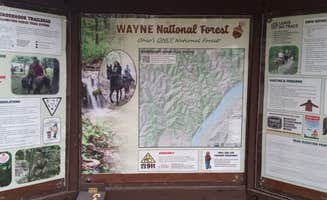
Trail riding at Kinderhook Horse Trail: Located within Wayne National Forest, this trail system offers designated equestrian routes with terrain suitable for various skill levels. "Area is dedicated to horse trail riding. Nice clean area just off main road... Nice trails. Seem to be well maintained," notes Joe B. from Kinderhook Horse Trail.
Water activities near campgrounds: Many parks offer multiple water recreation options within short driving distance. "The lake and the beach are very nice! Sometimes the water isn't very clean. Often times the beach is littered with goose droppings... Strouds is a great place to rent a paddle board, kayak, canoe, or pontoon," explains Lucille W. from Strouds Run State Park Campground.
Exploring local history: The region contains numerous historical sites related to oil production and iron manufacturing. "As history buffs will know that Ohio was one of the nation's leading iron producers back in the day," points out Dave V. The nearby Hope furnace provides educational opportunities about the area's industrial past.
What campers like
Secluded camping options: Many horse campers appreciate quieter, less developed areas for overnight stays. "I love Zaleski and have returned multiple times. These campgrounds and hiking trails are my go-to for a weekend backpacking trip. Rarely have I seen other hikers on the same trails but we always meet people at camp," writes Bryn S. from Zaleski State Forest.
Trail variety: The region offers diverse terrain for riders seeking different challenges. "The terrain has many climbs and descents and takes you along ridges, through valleys, and along forest floors," describes Bryn S. This varied landscape provides options for both casual and experienced equestrians.
Natural features: Wildlife viewing opportunities abound throughout the area. "The naturalists feed hummingbirds at the nature center. They pull the feeders for awhile leading up to a 'Feed the Hummingbirds' program. So cool! The birds come right to you!" explains Chris C., highlighting unique nature experiences available at some parks.
What you should know
Varying campsite quality: Site conditions can differ dramatically even within the same area. "Sites are only rented in person once you arrive, they have clear instructions at the entrance. Sites were nice and level, but a bit on the smaller side," reports Isaac K. from Lake Hope State Park Campground.
Water availability considerations: Access to water for horses varies seasonally. "I've never seen them dry," notes Leon H. about the water sources at some equestrian camps, but seasonal verification remains important, especially during late summer months.
Bathroom facilities: Most horse camps feature basic facilities. "All campsites have an outhouse and potable water all within easy reach from all camping areas," explains Bryn S., though quality and cleanliness vary widely between parks.
Trail maintenance conditions: Trail upkeep affects riding conditions significantly. "The Kinderhook trail was overgrown. The Paw Paw trail on the other hand was very smooth, dry and wide," reports Annika E., highlighting the importance of getting current trail information before planning rides.
Tips for camping with families
Kid-friendly activities: Several campgrounds offer family-oriented amenities beyond horseback riding. "Ole' Henry's has a very nice setup with a Giovannis pizza restaurant and camp store on site... The playground area has a nice swing set and a couple big wooden play structures. There is a drain pipe slides coming off one of the hillsides that is a kid favorite," explains Andrew S. from Ole Henry's Camping retreat.
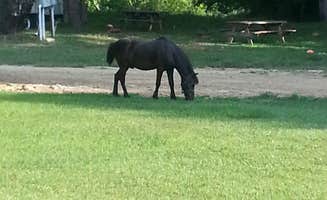
Wildlife encounters: Children often enjoy the animal interactions available at certain camps. "There is a pony that lives on the site and is very friendly. It scavenges for free food and the children love it. There is also a few cats or so that live on site and is very friendly to children," adds Andrew S.
Safety considerations: Parents should research swimming areas carefully. "The creek nearby offers up a good, safe swimming hole for all the kids and adults," notes Andrew S., though conditions at water features can change rapidly after rainfall.
Tips from RVers
Site size limitations: Many equestrian campgrounds have restricted space for larger rigs. "Sites are very small and very unlevel, had to raise back of camper and put front about a 1/4" off ground to get close to level. Site around is sloped in all directions," warns Daniel from Lake Hope State Park Campground.
Parking for trailers: Dedicated trailer parking exists at some locations but can fill quickly on weekends. "Only stayed for a night but it was very quiet and only a handful of other campers. All the sites seemed relatively level... Most of the sites seemed small so it might be best for smaller setups. Also I did not see any pull through sites," notes Seána B. from Mountwood Park Family Campground.
Electric and water hookups: Availability varies significantly between parks. "We drove to the end of the road for the campground there, but there are also some 1 or 2 day backpacking options. The park has beautiful water and forests," explains Justin S., highlighting the need to verify utility access when planning equestrian camping trips with RVs.




 Ranger


