Tent camping at John H. Kerr Dam and Reservoir offers access to 48,900 acres of water and 800 miles of shoreline spanning the Virginia-North Carolina border. The area experiences hot, humid summers with temperatures often exceeding 90°F, while spring and fall provide milder conditions. Primitive sites and established campgrounds across the region accommodate various camping preferences with different levels of amenities.
What to do
Fishing opportunities: Daybreak Glamp Camp provides easy access to local fishing spots where campers can catch bass, crappie and catfish. "It was quite peaceful and the weather for the most part was great," notes Abel T., who spent four nights tent camping at the site.
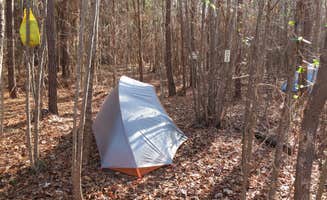
Hiking trails: The Mountains-to-Sea Trail connects to camping areas and offers day hiking options through mixed hardwood forests. One camper at MST Section 23 Falls Lake Camping advises, "This is a hidden gem for a MST hiker. It's a hike in only campground, located approximately 1 mile from the roadside parking on Red Mill Road, Durham NC."
Water activities: Swimming, kayaking and canoeing are popular during summer months when water temperatures reach the mid-80s. Boat launches are accessible from several campgrounds, with some requiring daily use fees of $5-10.
What campers like
Privacy between sites: Campers appreciate the secluded tent sites at RodneysRaptors, which offers 12 drive-in tent camping spots with adequate space between each site for privacy. The campground includes water access points for easy kayak launching.
Clean facilities: Visitors regularly mention well-maintained bathrooms and common areas. "The bathroom was kept clean and there's a shower also. I highly recommend if you just want to get away for a couple days," shares a Daybreak Glamp Camp visitor who plans to return.
Helpful hosts: Campground owners often provide assistance with setup and local information. "The owner and his family were super sweet and helpful. They definitely set you up for success!! He even let us borrow some gear when our tent got rained out and showed us a few tricks," reports Katie M. about her experience at Daybreak Glamp Camp.
What you should know
Reservation systems vary: Lake Michie Recreation Area requires direct contact with county officials for site reservations. According to Jeff K., "It's quite difficult to reserve sites here as you have to call the county to get a permit."
Alcohol policies: Regulations differ between campgrounds. Lake Michie prohibits alcohol, while MST Section 23 allows it. Check individual campground rules before packing beverages.
Site limitations: Many campgrounds have specific restrictions. "There is a 2-night maximum stay" at MST Section 23, and campers must "NOT explore past a 75 yard radius of the Shelter," according to detailed campsite rules.
Fire regulations: Some areas permit fires only in designated fire rings or pits. MST Section 23 specifies "NO FIRES except in the established fire pit," while other campgrounds provide firewood for purchase.
Tips for camping with families
Weather preparation: Summer temperatures regularly exceed 90°F with high humidity from June through August. Pack extra water and sun protection for children. Spring and fall offer more comfortable camping conditions with daytime temperatures in the 70s-80s.
Equipment assistance: Some campgrounds offer equipment loans or rentals. One camper notes their boyfriend "let us borrow some gear when our tent got rained out and showed us a few tricks" at Daybreak Glamp Camp, making their anniversary camping trip successful despite weather challenges.
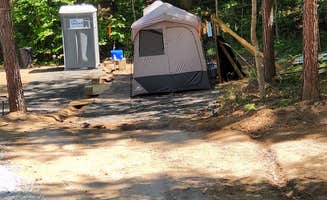
Site selection: Choose level, shaded sites when possible. Lake Michie campers note that "all of the sites are very small, not very level, and have low clearance," making pre-arrival research important when camping with children.
Tips from RVers
Site dimensions: Most tent-focused campgrounds near John H. Kerr Dam have limited space for larger vehicles. Jeff K. mentions that Lake Michie Recreation Area is "not big-rig friendly" with sites that have "low clearance" and limited maneuverability.
Water and power access: Most primitive camping areas lack hookups. RodneysRaptors provides water hookups but no electric connections, making it suitable for smaller, self-contained campers rather than larger RVs requiring full hookups.
Generator restrictions: Check noise policies before arrival as many campgrounds prohibit generators to maintain the natural setting. Campers seeking powered sites should contact campgrounds directly to confirm electricity availability and amperage options.




 Ranger


