Tent campsites near Mexican Hat, Utah sit at an average elevation of 4,000 feet in the high desert plateau of southeast Utah. The region experiences significant temperature variations between day and night, with temperature swings of 30-40 degrees common even in summer months. Most dispersed camping areas require visitors to pack out all waste as there are no trash collection facilities available.
What to do
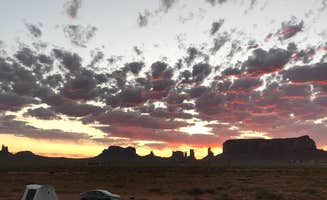
**Stargazing at night: Picket Road BLM offers optimal conditions for astronomy enthusiasts. According to visitor Alfred H., the area provides "quiet with view" and is "stunning" after dark when stars become visible across the open desert sky.
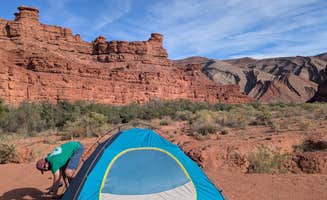
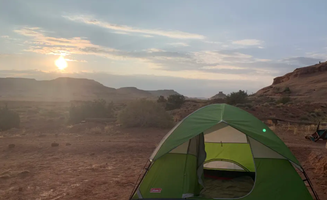
**Morning photography: The first light hitting the sandstone formations creates dramatic shadows and colors. At FireTree Camping, photographers can access walk-in tent sites that provide strategic angles for capturing sunrise across the desert landscape.
**Cultural exploration: The region contains significant Navajo heritage sites within driving distance of most campgrounds. Many campers use Rent A Tent Monument Valley as a base camp, where guests stay in fully set up Springbar Tents with "full sized bed, linens, blankets and pillows" while exploring nearby cultural areas.
What campers like
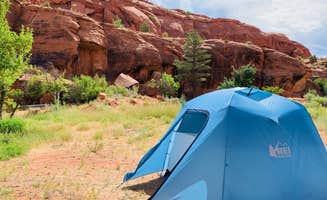
**Natural isolation: The remote locations provide genuine solitude. At Dark Canyon Wilderness Recreation Area, tent campers must hike in with their gear, ensuring fewer crowds and more peaceful camping experiences.
**Established amenities: Some tent campers prefer sites with basic facilities. Starr Springs Campground offers hike-in tent sites that balance wilderness experience with access to essential facilities.
**Night sky viewing: The minimal light pollution makes astronomical observation exceptional. Campers at Picket Road BLM note the area has "space for several cars" while maintaining the dark sky conditions needed for optimal stargazing.
What you should know
**Water conservation: No natural water sources exist near most tent sites. Campers should bring 1-2 gallons per person per day minimum, with extra during summer months when temperatures regularly exceed 100°F.
**Road conditions: Access to many dispersed camping areas requires appropriate vehicles. According to Alfred H. at Picket Road BLM, "The road get a little washed out the further you drive in. High clearance and 4x4 recommended especially when it's raining."
**Wind exposure: The open desert landscape provides little protection from wind. Tent campers should bring extra stakes and guy lines to secure tents, as afternoon gusts can exceed 25 mph without warning.
**Seasonal timing: Spring (April-May) and fall (September-October) offer the most moderate temperatures for tent camping. Summer daytime temperatures regularly exceed 100°F while winter nights frequently drop below freezing.
Tips for camping with families
**Structured options: Families with younger children may prefer sites with established facilities. Narrow Canyon Orchards Campsite offers drive-in access with toilet facilities while maintaining a natural setting for children to explore.
**Wildlife awareness: Teach children about desert wildlife safety, particularly regarding scorpions and snakes. Shake out shoes and sleeping bags each morning before use.
**Educational opportunities: The area contains numerous geological features that provide natural science lessons. Bring field guides to identify rock formations, desert plants, and native wildlife species.
**Temperature management: Schedule outdoor activities for morning hours (before 10 AM) and evening (after 6 PM) during summer months. During midday heat, seek shade or use vehicles with air conditioning for cooling breaks.
Tips from RVers
**Size restrictions: Most tent camping areas near Mexican Hat have limited access for larger vehicles. When traveling with both RV and tent, consider using established campgrounds like Blanding RV Kampark as a base and making day trips to more remote tent camping locations.
**Generator etiquette: If using a generator to charge devices before tent camping, observe quiet hours (typically 10 PM to 7 AM) and position exhaust away from neighboring campsites.
**Parking considerations: When tent camping from an RV or large vehicle, scout parking areas before committing. Many roads narrow significantly after the first quarter mile, making turnarounds difficult for larger vehicles.




 Guide
Guide


