Dispersed camping near Marfa, Texas encompasses sites across the Chihuahuan Desert region, with elevations ranging from 4,000 to 6,000 feet. The remote sites experience significant temperature fluctuations, often dropping 30-40 degrees from day to night even in summer months. Rustic camping opportunities in this region require self-sufficiency with minimal facilities but offer exceptional dark sky conditions.
What to do
Stargazing at McDonald Observatory: Located near Madera Canyon Roadside Park, the observatory hosts regular star parties and viewing events. "This is a spectacular location for star gazing. It's also close to the McDonald Observatory. This is an important historical site and I would strongly recommend getting a tour," notes Kevin C.
Wildlife observation: The area supports diverse desert wildlife populations. At Elephant mountain WMA, visitors can participate in self-guided driving tours to spot local species. "The area around Elephant Mountain is beautiful and the mountain itself is a huge bluff sticking up out of the otherwise flat landscape," reports Marty E.
Desert hiking: Short trails showcase native vegetation and geological formations. "The hike is an easy one with small children and gives visitors a taste of the actual landscape of Jeff Davis mountains, TX," according to Debra B., who frequently visits Madera Canyon with her converted cargo trailer.
What campers like
Solitude and quiet: The remote nature of rustic camping sites near Marfa provides isolation rarely found in more developed areas. Jordan P. describes Madera Canyon as "Awesome free camping. No cell service," highlighting the peaceful disconnect from technology.
Convenient stopover location: For travelers on longer journeys through West Texas, these sites serve as strategic overnight points. "We stayed for 2 weeks, with a night out of it. We really enjoyed our time here. The views are great," shares Ethan B. about his extended stay at Elephant Mountain WMA.
Cost-effective option: Most dispersed camping locations in the area are free or low-cost alternatives to established campgrounds. "Overall, it's a good spot on the way to Big Bend National Park but still about an hour from the park entrance," notes Mark F., comparing the value to national park camping.
What you should know
Permit confusion: Regulatory requirements can be unclear at certain sites. At Elephant Mountain WMA, Kevin C. advises, "You're taking a risk if you don't have the permit required by the sign but ran into no authorities during our brief one night stay."
Weather preparedness: Strong winds affect the region frequently, particularly in spring months. Sites provide minimal shelter from these conditions. Multiple campers note wind as a primary consideration when setting up camp.
Limited connectivity: Cell service is nonexistent at most dispersed sites. "Super quiet. Right off the highway, but very little traffic," reports Debra B., indicating the isolation factor at Madera Canyon.
Tips for camping with families
Accessible trails: Several locations offer beginner-friendly hiking suitable for children. "The hike is an easy one with small children and gives visitors a taste of the actual landscape of Jeff Davis mountains, TX," Debra B. mentions about Madera Canyon Roadside Park.
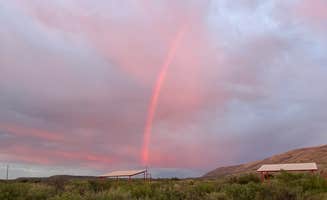
Wildlife viewing opportunities: Children often enjoy spotting desert wildlife. Richard T. recalls his experience at Elephant Mountain: "Their were rabbits hopping around and beautiful mountains including the 'elephant' in the room. A rainbow appeared next to it and it felt unreal."
Ant awareness: Desert ants can be problematic for tent campers with children. "Texas red ants are abundant so be weary of tent camping," warns Richard T. from his experience at Elephant Mountain WMA.
Tips from RVers
Level parking areas: Some dispersed sites accommodate smaller recreational vehicles on relatively flat terrain. "Pretty level spots. I take my converted cargo trailer often," notes Debra B. about her repeat visits to Madera Canyon.
Water conservation: No hookups means careful water management. Bring at least 1 gallon per person per day plus vehicle needs. Most campers report staying 1-3 nights maximum without resupply.
Boondocking preparation: The sites in this region require complete self-sufficiency. "The sites are very well maintained," according to Ethan B., but still lack any hookups or services for RVs.



 Traveler


