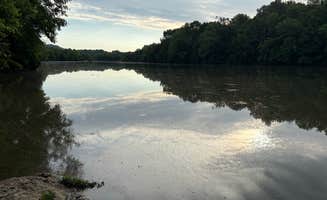
Dispersed camping near Smithville, Tennessee centers primarily around water features, with J. Percy Priest Lake providing the main primitive camping opportunities in the region. The area sits at approximately 500-600 feet elevation with a humid subtropical climate characterized by hot summers and mild winters. Weather conditions can change rapidly, particularly during spring and fall, requiring campers to prepare for potential thunderstorms and temperature fluctuations even during short overnight stays.
What to do
Wildlife observation opportunities: Goose Island - J. Percy Priest Lake offers excellent bird watching opportunities, particularly during migration seasons. The island's isolation creates a haven for various bird species. "The only down side (at least when we were there) is the raccoons. They will come up really close at night begging for food. They're harmless though," notes camper Brandon.
Fishing expeditions: Prime fishing spots exist throughout the J. Percy Priest Lake area, with bass, crappie, and catfish being common catches. Water levels fluctuate seasonally, affecting fishing conditions. Early morning and evening hours typically yield the best results.
Hiking exploration: Several unmarked trails exist around the lake shoreline. These informal paths require basic navigation skills as they lack official markings or maintenance. Appropriate footwear is essential due to potentially muddy conditions after rainfall.
What campers like
Natural isolation: The boat-in requirement for island camping creates a natural barrier that limits crowds and provides more secluded experiences than typical campgrounds. This separation from vehicle access points contributes to quieter camping conditions.
Unstructured camping areas: Unlike developed campgrounds with designated sites, the dispersed areas near Smithville allow campers to select their own locations based on terrain preferences and group needs. This flexibility permits more customized site selection.
Cost-free camping options: Most dispersed camping locations around Smithville require no fees or permits, making them budget-friendly alternatives to commercial campgrounds. This accessibility makes spontaneous overnight trips more economically feasible.
What you should know
Limited water sources: No potable water exists at Cordell Hull Horseback Trails. Campers must pack in all drinking water needs, with a minimum recommendation of one gallon per person per day. During summer months, additional water for hygiene purposes is advisable.
Fire restrictions vary: Fire regulations differ between locations, with some areas prohibiting open flames entirely. Fire rings do not exist at most sites, requiring campers to practice low-impact fire techniques when allowed.
Cell service limitations: Connectivity throughout the area ranges from spotty to nonexistent. Most lake islands and remote shoreline areas experience significant signal degradation. Informing someone of your planned location and expected return time serves as an important safety precaution.
Tips for camping with families
Prepare for swimming safety: The lake areas lack designated swimming zones or lifeguards. Children should wear appropriate flotation devices at all times when near water. Underwater hazards like submerged trees can create unexpected dangers.
Wildlife education opportunities: The natural environment provides excellent teaching moments about local ecosystems. Bringing field guides specific to Tennessee wildlife helps identify animal tracks, bird species, and native plants that children may discover.
Extra supply considerations: The remote nature of dispersed camping near Smithville requires additional planning for family needs. Pack extra clothing, food, and first aid supplies beyond what might be necessary at developed campgrounds. The nearest supply points may be 20-30 minutes away by boat plus additional driving time.
Tips from RVers
Access limitations: Most dispersed camping options near Smithville present significant challenges for RV users. Boat-in requirements for island sites inherently exclude RV camping, while the limited road infrastructure at other locations typically cannot accommodate larger vehicles.
Alternatives within driving distance: RV campers seeking dispersed options should consider locations further from Smithville proper. Edgar Evins State Park, approximately 20 miles from Smithville, offers more accessible alternatives with some primitive sites that can accommodate smaller RVs while still providing a natural experience.




 Guide
Guide