Primitive camping near Silver Point, Tennessee includes options beyond the main established sites, with several additional backcountry areas available within a 30-mile radius. The region sits in the Highland Rim geographic area, characterized by rolling hills and limestone formations. Most dispersed camping sites in this area lack cell service, requiring campers to download maps and coordinates before arrival.
What to do
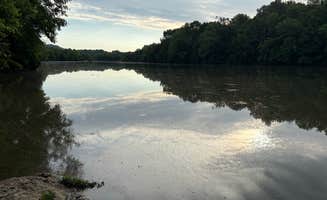
Water activities: Boat-accessible camping at Goose Island - J. Percy Priest Lake supports fishing and swimming. The quarter-mile paddle provides access to multiple primitive sites along the shoreline. Brandon notes, "We use a canoe since it's only a quarter mile or so paddle."
Hiking: Multiple unmarked trails connect to established paths around Center Hill Lake. These primitive routes require navigation skills and proper footwear due to rocky terrain. Local campers recommend bringing trekking poles for stability during wet conditions.
Wildlife observation: Dawn and dusk provide optimal viewing times for deer, turkey, and waterfowl. Primitive campers should store food properly in bear-resistant containers or suspend them between trees. Local regulations prohibit feeding wildlife at all primitive camping locations.
What campers like
Solitude: The boat-in requirement at Goose Island naturally limits crowds. Campers report weekdays often allow for complete isolation, especially during spring and fall shoulder seasons.
Night skies: The minimal light pollution creates excellent stargazing conditions. The Perseid meteor shower in August draws astronomy enthusiasts to primitive sites. Clear weather between late September and early November offers the best visibility.
Campfire permissions: Fire regulations vary significantly by location. While some areas prohibit open flames entirely, others permit them with restrictions. Always check current fire danger levels before your trip.
What you should know
Access limitations: Water levels affect boat-in camping possibilities. During summer drought conditions, some islands become peninsulas accessible by foot. Winter and spring typically see higher water levels requiring watercraft.
Weather preparedness: The region experiences rapid weather changes. Thunderstorms develop quickly during summer months, with limited shelter options at primitive sites. Pack waterproof gear regardless of forecast.
Wildlife encounters: Proper food storage prevents unwanted visitors. Raccoons actively seek human food and can become persistent if successful. Store all scented items in sealed containers away from sleeping areas.
Tips for camping with families
Safety planning: Establish clear boundaries for children at water-adjacent sites. The shorelines can feature sudden dropoffs, particularly after heavy rainfall periods. Life jackets should be worn by all children near water regardless of swimming ability.
Activity packing: Bring games and activities suitable for primitive settings. Card games, field guides for local plants and wildlife, and simple crafting materials using natural elements keep children engaged without electronic entertainment.
Timing considerations: Spring and fall provide milder temperatures for family camping. Summer humidity can be challenging for younger campers, particularly in July when temperatures regularly exceed 90°F. Consider shorter trips during peak summer.
Tips from RVers
No-hookup strategies: Self-contained RVs can access limited primitive sites. These locations require vehicles with good ground clearance and typically limit stays to 14 days. Generator use faces strict quiet hours enforcement from 10pm to 6am.
Water conservation: No water sources exist at primitive locations. RVers should arrive with full freshwater tanks and plan for 2-3 gallons per person per day. Grey water must be contained and removed when leaving.




 Guide
Guide