In my never-ending quest to discover the most perfect campground haven, after a rather intense amount of research, I landed on Dreher Island smack dab in the very center of South Carolina, where my daughter and I spent this past Labor Day weekend – our annual daughter & daddy camping trip – along with another very good family friends of ours. And while we’ve camped out in South Carolina before – and have been very pleasantly delighted by what the great Palmetto State has been able to offer us, we were in store for a real treat here at Dreher Island.
To begin with, Dreher sets amongst a number of islands in the midst of one of South Carolina’s most pristine and largest (50,000 acres) natural waterparks – Lake Murray. If you are looking for a campground destination that has a tremendous amount to offer, than look no further than Dreher Island. First of all, you’re on a proper island, so here’s what that means – nearly every single campsite here has either direct lake access or, at a minimum, a brilliant lakeview. One bit of warning would be that while the view is impeccable, the winds can be strong, and as we found out one hard, rainy and windy night, if you are camping here with a tent, you’ll want to stake your abode down with as many lines as you quite possibly can. Ultimately, we tied our cabin tent down with more than 20 lines around our makeshift abode and we still felt a howling wind each night that had us think at times that we were reshooting the tornado scene in ‘The Wizard of Oz!’
As for amenities, there’s a ton: from the marina that this SP manages, where there’s a solid mini-mart (that has you covered on just about every front, from snacks and firewood to boat rentals (book WAY in advance if you want to rent anything!), ice, T-shirts and bait ... but you will want to note that there is NOT much in the way of actual groceries here) to picnic shelters and recreation pavilions, both hiking and biking trails as well as some of the most amazing water to canoe and kayak on as well as an amazing tackle loaner program – that’s right! You don’t even have to bring your own fishing pole and gear– the State of SC has this amazing program where they’ll lend you whatever you need.
Of course, all of the campsites come equipped with a fire ring and pull-down BBQ grill, nice level back-in paved sites (unfortunately, despite being tent campers, we only had a single slot to choose from, which was an RV site, so we pitched directly on top of the pavement – not ideal, but not the end of the world either). Each campsite has solid space, although there’s not a ton of privacy offered between campsites (really the only downside to our whole experience). The bathroom / shower facilities were just OK, but fairly clean and just a short hike from our campsite.
The greatest point to highlight about Dreher Island is the impeccable way in which the good rangers here take spartan great care of this magnificent campground jewel. But of course, Murray Lake itself is the real draw and she does not disappoint. My daughter and I, as well as the family who joined us, spent 90% of our time on the lake swimming, paddle-boarding, kayaking and enjoying one of the best lakes we’ve ever experienced.
Other amenities that you’ll appreciate: tons of shoreline for boat fishing opportunities and what you will normally catch will include: largemouth and stripers, catfish, bream, crappie and yellow perch. You should note however that you will need a proper SC state fishing license to catch any fish. Other plus-ups include: playgrounds for the kids, complimentary WiFi (only near the park store though).
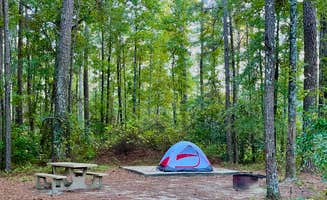
A couple insider’s tips? Here’s a few: (1) If you need anything at all, it’s just a 15 minute drive to the nearby quaint town of Chapin, where there’s a Lowes, Publix, Food Lion and Walgreen’s, Dollar General, Ace, etc.;(2) When/ if you get tired of cooking campside, then there’s a few great options (also in Chapin), where we dined at Chophouse, which was supremely awesome (side note: we were incredibly welcomed to this smart, upmarket restaurant despite showing up in our camping gear); (3) Looking for a nice spot for some late night suds? Lazy Creek Taphouse has you covered and has an outstanding outdoor vibe that will be sure to leave you with a memorable ‘Low Country’ backyard memory; and (4) if you are wanting to know the absolute best camping spot while at Dreher Island, while there are only 15 sites for tent campers, I recommend one of two places: the lakefront views of T-4 through T-7, where there’s 4 platforms perfectly set-up for large tents and that have easy access to the restrooms and showers just behind them … and T-11 through T-14, which are nothing except ‘pure tent camping bliss’ with simply fantastic, unobstructed views of Lake Murray.
Happy Camping!




 Traveler


