Equestrian camping near Monroe, Ohio offers riders access to a network of woodland trails connecting multiple state parks across the region. Located in southwestern Ohio where the terrain features a mix of rolling hills and forested valleys, these horseback riding campgrounds typically sit at elevations between 500-900 feet. Winter temperatures average 25-40°F while summer months range from 65-85°F with moderate humidity, creating variable trail conditions throughout the riding season.
What to Do
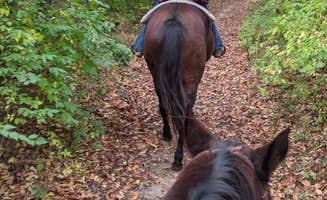
Trail riding at Twin Creek: Multiple interconnected trails at Dayton Metro Parks (Five Rivers Metroparks) provide varied terrain for riders. "The Twin Valley Trail combines the existing network of trails in Germantown and Twin Creek MetroParks. These trails connect to create a longer, more integrated trail system totaling more than 25 miles," notes one reviewer who appreciated the well-marked trails through ravines.
Lake activities after riding: At East Fork State Park Campground, campers can cool down horses and enjoy water recreation. "There is a beach and marina for campers away from the main beach and marina for those just visiting the park for the day," explains one visitor. The separate areas prevent overcrowding during peak summer riding months.
Overnight trail adventures: Experienced riders can pack for backcountry camping. As one rider describes: "There's a great backpacking trail that's challenging and an easy middle meeting place for friends/family from Columbus and Cincinnati that can meet in Dayton Metroparks/Five Rivers - Germantown and take on the TVT challenge, beautiful hike through hilly terrain, and great spots of overlooks."
What Campers Like
Spacious equestrian campsites: Whitewater Memorial State Park Campground offers ample room for horse trailers. "I came here and stayed in my tent (family had their horse trailer with camper) for a night during the chilly nights of October. I wish all campsites were like these - very, very spread out!" shares one camper who appreciated the natural separation between sites.
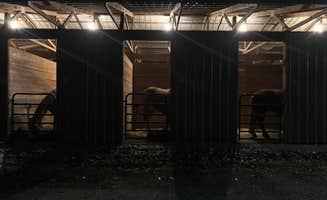
Overnight stabling options: Some facilities provide permanent stalls. One equestrian noted at A.J. Jolly Park & Campground: "Stall accommodations are excellent, even include bedding. The camp Ranger/host, Larry?, was incredibly helpful and kind." This eliminates the need for portable corrals or high-lines.
Direct trail access: Multiple riders appreciate campgrounds with trail connections. "There was a starting access point at the horse campground for horseback riding trails that also led to the horse barn," noted one visitor about Whitewater Memorial. This feature allows riders to start their day without trailering to separate access points.
What You Should Know
Water availability varies: Many equestrian camps have limited water sources. At Hueston Woods State Park Campground, "Horse owners must bring their own water troughs." During dryer months, some creeks may not provide reliable filterable water.
Reservation requirements: Most equestrian sites book quickly during prime seasons. "Reservations are required for all equestrian sites, especially during spring and fall when trail conditions are optimal," explains a regular camper. Weekend dates often fill 3-4 months in advance.
Bathroom facilities: Equestrian areas typically have basic facilities. One rider noted at Whitewater Memorial: "Another flaw is that the bathrooms in the horse campground aren't modern and they're pit toilets. Even with the cooler weather, they still wreaked and were not pleasant to use." Bring sanitizer and personal supplies.
Tips for Camping with Families
Combined activities for riders and non-riders: Cowan Lake State Park Campground offers options for mixed groups. "The park also had a lending library and walking stick lending program. I thought these were simple but memorable features for this park," writes one visitor who appreciated the family-friendly atmosphere.
Safety considerations: Keep children separate from horse areas. A visitor with children noted, "The camp store was well stocked and you could rent bikes from the store. These bikes were often all over the campground so be extra careful when driving in the park."
Plan for temperature swings: Spring and fall offer best riding conditions but require preparation. One camper advised, "It poured rain but despite that I had a great time hiking the trails and visiting the nature center!" Pack layers and rain gear regardless of forecast.
Tips from RVers
Electric options: Most equestrian sites offer both 30-amp and 50-amp service. At Buck Creek State Park Campground, "The sites are clean and level for the most part. I recommend taking one on the outside of the loop - near the trees." Corner sites typically offer more room for larger rigs.
Tow vehicle considerations: Access roads vary in quality. "Pad are about 12 x12 concrete so that's a plus but the location of the pads if you want to use your RV awning means your wheels in what ever your using are going to be nearly off the level area or in the grass," reports one RVer, highlighting the importance of careful positioning.
Water hookups: Campers note inconsistent placement of utilities. "Water hook ups are on the opposite side of electrical on several sites," warns one experienced RVer, suggesting extra-long hoses be packed for equestrian camping trips.





 Guide
Guide


