Camping sites near Fort Ransom, North Dakota occupy the eastern edge of the Sheyenne River Valley, sitting at elevations between 1,100 and 1,300 feet. The region experiences distinct seasonal transitions with summer temperatures averaging 70-85°F during peak camping months and winter lows regularly dropping below 0°F. The valley terrain creates natural windbreaks at many campgrounds, protecting tent campers from the stronger prairie gusts that affect more exposed sites.
What to do
Trail exploration on North Country Trail: The North Country National Scenic Trail crosses through Fort Ransom State Park Campground, connecting multiple recreation areas. "There are miles of trails through all kinds of habititats from forest to prairie to riparian shores and the water trail. In winter there is great cross country skiing and snowshoeing," notes a visitor.
Canoeing and kayaking: Rent watercraft directly from park facilities to explore the Sheyenne River. "We really wished we had rented a canoe or kayak (from the park) but it was a holiday weekend so they were all gone by the time we sauntered out of the tent near noon," reports one camper about Fort Ransom State Park.
Historical immersion programs: Learn about pioneer history through living demonstrations and preserved structures. According to a reviewer at Fort Ransom, the park offers "a preserved farm about early white settlers" and is "very green park with alot of history."
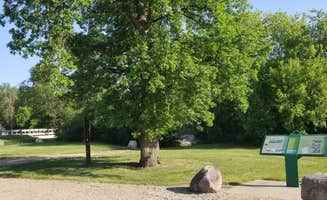
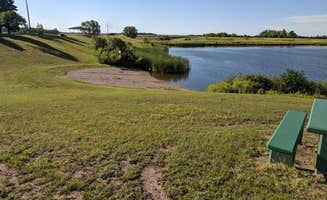
Swimming at designated beaches: Moon Lake provides swimming access with minimal facilities but natural settings. "There are trash cans, a beach, a lake, and you need to Park on the grass," explains one visitor, making it ideal for casual water activities during hot summer days.
What campers like
Private primitive sites: Little Yellowstone County Park offers secluded spots along creeks and wooded areas. "Nice campground, we camped near the brook. Got there later in the evening and left early in the morning to start a hiking trip," mentions a camper who appreciated the natural setting.
Unique camping accommodations: Beyond standard tent and RV spots, specialty options exist. "If you like hiking or canoeing or horseback riding or nature exploring, there are alot of good options here for the summer camper... there is the option to reserve a covered wagon or pioneer cabin to stay in, or a fully equipped really amazingly cool yurt with a loft that could host a large family or group," explains a visitor about Fort Ransom State Park.
Natural water features: Streams running through campgrounds enhance the camping experience. One reviewer at Clausen Springs Park Campground mentioned they "love that the stream runs in the back of all main sites" making for peaceful background sounds while camping.
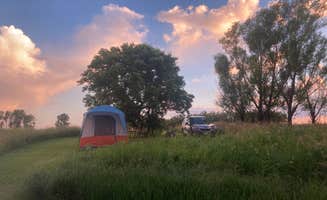
Affordable camping: Many sites maintain low fees compared to other regions. A Moon Lake visitor noted, "Camping for under 10 days at a time is free. Pull in and park anywhere in the grass and sleep in your camper/tent. Very easy and chill."
What you should know
Variable cell service: Connection reliability changes dramatically between sites. At Little Yellowstone, a visitor reported, "Overall, no cell service - but, okay to detach for camping & family time!!"
Insect preparation essential: Peak mosquito activity occurs at dusk near water sources. One Moon Lake camper advised, "Lots of insects, so wear your vetiver," highlighting the need for insect repellent during summer months.
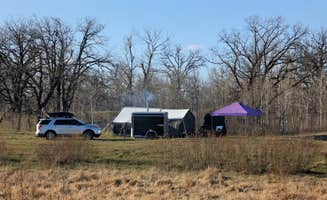
Road conditions vary significantly: Access to more remote sites requires appropriate vehicles. A Sheyenne National Grassland visitor warned, "Make sure your vehicle has decent clearance but nothing too extreme. 2007 Toyota Sequoia with a 1.75 inch lift" was sufficient for accessing the grassland roads.
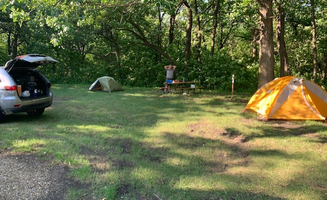
Weather vulnerability: Open sites experience full prairie weather conditions. A camper at Fort Ransom noted, "Stayed at a site in the open field near to the road... only down side was that you got to feel the ND winds (10-30mph+) all the time."
Tips for camping with families
Educational opportunities: Sheyenne National Grassland offers unique learning experiences about prairie ecology. "We also hiked a trail and saw so many different plants," shared one family camper who returned for a second visit because they enjoyed it so much.
Kid-friendly water play: Small streams provide safe water exploration for younger children. "My kids spent hours playing in the creek. Lots to explore," reported a parent visiting Little Yellowstone County Park.
Playground access: Several campgrounds maintain play equipment for children. At Clausen Springs Park, facilities include a "nice little trails, small playground" according to visitors with children.
Special seasonal events: Look for family-oriented programming throughout camping season. "When we were there in June the campground was having a Halloween celebration and my daughter loved it," shared one Fort Ransom visitor, while another mentioned "Sodbuster Days, Halloween in June and Christmas in July is a must."
Tips from RVers
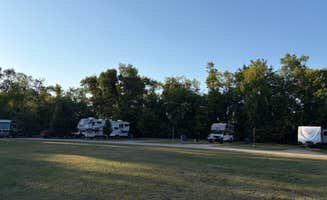
Limited large rig access: Many campgrounds have size restrictions or challenging access roads. At Sandager Park, a visitor mentioned the north section having "spot with better shade" which is important for RV camping during summer heat.
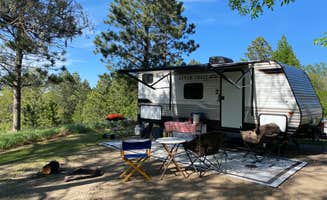
Electric site planning: Reserve electric sites well in advance during summer months. An RVer at Fort Ransom State Park advised, "Next time will stay on the other side of the river at their 'primitive' campsites. Those sites are all in the trees and secluded," after finding limited availability for hookup sites.
Dump station locations: Not all campgrounds offer on-site dump facilities. "There are a few different dump stations," noted one RVer at Lamoure County Memorial Park, indicating the need to plan waste management across multiple locations.
Site leveling challenges: Prepare for uneven terrain at more natural campgrounds. A Moon Lake visitor warned, "The lot is definitely NOT level," suggesting RVers bring adequate leveling equipment.












 Guide
Guide


