Bristol Fields Horse Camp is located within the Nantahala National Forest at an elevation of approximately 2,500 feet. Equestrian-focused primitive camping in this part of western North Carolina offers challenging vertical terrain trails and direct access to wilderness areas. The camp provides specific accommodations for horses and riders in a remote forest setting.
What to do
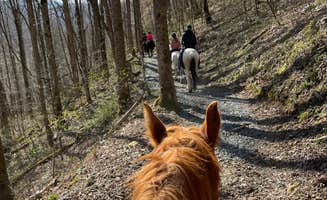
Trail riding beyond camp borders: From Tsali Campground, riders can access designated trail systems with scheduled alternating use days. "Great location right on Trail system. Hot showers, clean toilets," notes Jason G., who appreciates the practical amenities after a day of riding.
Fishing in nearby waters: Cold mountain streams throughout the region provide trout fishing opportunities. At Standing Indian Campground, anglers can access the headwaters of the Nantahala River. "Branch of Nantahala river offers trout fishing with NC fishing license," explains Vickie T., highlighting the regulatory requirements.
Mountain biking on forest roads: Several campgrounds in the area offer access to mountain biking trails of varying difficulty. According to Tony C., "This is the campground to stay if you want to mountain bike. The Tsali system starts right from the campground. You can ride to & from your campsite and never have to load up."
What campers like
Complete darkness for stargazing: Away from city lights, horse campgrounds near Marble, North Carolina offer exceptional night skies. Shelly S. notes about Bristol Fields, "Total black at night meant excellent star gazing and the creek was the loudest thing out there."
Natural water features: Cold mountain streams are valued for both horses and humans. At Gee Creek Campground, Anna M. observes, "A trail runs the perimeter of the camp and the Hiwasee River runs next to the campground," providing campers with water access alongside their site.
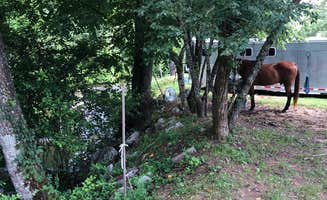
Equestrian facilities: Horse camps in this region are designed with rider needs in mind. The Nantahala National Forest houses several equestrian-focused campgrounds, with Frank S. noting at one location, "We had a well shaded site w/a little creek behind it. The ground was hard & pretty level. Make sure you have solid tent spikes."
What you should know
Limited cell service: Most primitive horse campgrounds in the area have minimal connectivity. Carol B. from Cades Cove Campground reports, "No cell service for Verizon and none for many miles on the drive to the site," which affects navigation and emergency communications.
Seasonal weather variations: Higher elevations experience significant temperature changes. Buck R. notes, "November is when the leaves are changing. Temps cool at night, moderately nice during the day...got snow at Clingman's Dome however during the day!"
Roads require careful driving: Access routes to primitive horse camps often include unpaved sections. Anthony M. cautions, "Very steep and unlevel roads; especially when leaving," which is particularly important for vehicles towing horse trailers to consider.
Tips for camping with families
Playground availability: Some developed campgrounds near equestrian sites offer family facilities. At Trackrock Campground, Kathy C. shares, "We stayed in campsites and cabins. Cabins are so cozy and cute. They have a gas fireplace. Beautiful view of the lake especially cabin 2."
Group camping options: For family gatherings near equestrian trails, look for group sites. Madison G. says about one location, "The group site was great! There was only 20 people allowed at the site but could've held 40. It poured rain all weekend so we made a tarp city and squeezed all of our tents together."
Learning opportunities: Historical sites combine with horse camping for educational experiences. Dr. David P. notes, "If you want nature, love community, and want someone for your kids to play with, this is perfect," describing the social benefits of more developed campgrounds near trail systems.
Tips from RVers
Size limitations for trailers: RV campers towing horse trailers should research access roads carefully. John K. warns, "The road to this campground is very narrow, the hill is very steep, and there is at least one very tight hairpin turn. Unless there is another way into this lovely park that I am unaware of, I would not attempt to tow a 5th wheel or other large trailer to this location."
Leveling challenges: Many primitive sites require significant leveling equipment. Gregg G. from Gee Creek Campground notes, "The sites on the North side of loop A are fairly uneven and would require a significant amount of leveling blocks if using a camper."
Hookup availability: Most horse camps have limited or no hookups. John writes, "We needed to work and do school while there and the Verizon cell service was limited and the WiFi signal was not great at our rig," emphasizing the importance of self-sufficiency when camping with RVs in remote equestrian areas.






 Guide
Guide


