Equestrian enthusiasts seeking horse campgrounds near Mamers, North Carolina can find additional options beyond Owl Creek Horse Camp in the surrounding region. The North Carolina Piedmont terrain features a mix of gently rolling hills and pine forests with elevations ranging from 200-500 feet above sea level. Most campgrounds in this area remain accessible year-round due to the mild climate, with average summer temperatures between 75-90°F and winter lows rarely dropping below freezing.
What to do
Trail riding network exploration: At Falls Lake State Recreation Area B.W. Wells Campground, riders can access trail systems connecting to larger recreational areas. "There are tons of hiking trails all around and plenty of bike trails too! Conveniently located north of Raleigh, NC and close to many major highways," notes Bran P. The natural surroundings provide varied terrain for different riding experiences.
Attend equestrian events: The region hosts seasonal competitions and events within driving distance. "Equestrian facility is next door," mentions Joy B. when describing the facilities near the North Carolina State Fairgrounds. These events often showcase different riding disciplines and provide opportunities to connect with other horse owners.
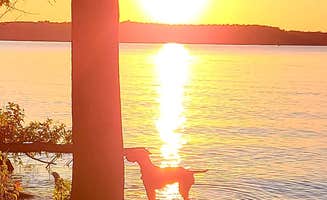
Water experiences with horses: Several trails feature shallow creek crossings and pond access points where horses can cool off during warmer months. "Our campground lined the lake so just through the trees, we were able to go for a quick dip or sit and watch the water," shares Sarah M. about the lake access that could benefit both riders and horses during hot summer days.
What campers like
Spacious sites for horse equipment: The camping areas designed for equestrians provide extra room for gear and portable containment systems. "Sites are spacious and full hook ups. Gravel roadways and grass/gravel sites," reports Joy B. This additional space allows for comfortable setup of horse-related equipment.
Wooded privacy between campsites: William B. Umstead State Park Campground offers natural separation between sites. "Campgrounds are close but separated by trees and forest to create privacy," explains Sydney S. This arrangement helps maintain a peaceful environment even when multiple horse owners are camping nearby.
Accessible trail systems: Most equestrian campers appreciate the ability to ride directly from their site. "Primitive camping has drive in, picnic table, fire ring, tent spot, and trails starting at your back door ⛺️," writes Cara G. about the convenience of trail access without having to reload horses.
What you should know
Limited water facilities: "Horse owners must bring their own water for animals as drinking water facilities are limited in the camping area itself," according to reviews. Some locations like Cane Creek Campground and RV Park have water access but may require planning ahead. "Beautiful little park nestled into the woods! Our site (17) was on the opposite side of the real lake access," notes Mandy L.
Seasonal ground conditions: The terrain characteristics vary throughout the year, affecting riding conditions. "The natural terrain stays relatively dry even after light rain, making it suitable for year-round riding," though after heavy precipitation, some lower-lying areas may become temporarily unsuitable for horses.
Reservation requirements: Most equestrian camping sites require advance booking, especially during peak seasons. "Reservations are required (though they do accept walk-ins at the park office)," explains Kelsey L. about Cedarock Park, which offers sites for $10/night for groups under 10 people.
Tips for camping with families
Multi-activity planning: "Located close to nothing else, this campground was so peaceful at night. During the day, it's beautiful. It's got showers with hot water and accessible facilities. Great camping!" shares Dimitry A. about Cane Creek Campground, which offers activities for both horse enthusiasts and non-riders.
Safety considerations: Families with younger children should select campsites further from main horse traffic areas. "Plenty of places to tent camp or RV camp! Places to fish things for kids to play on and of course places to shower after! One of my family's favorite places to camp!" explains Krista H.
Educational opportunities: Some campgrounds near Mamers offer interpretive programs about local ecology and horse history. "There is a historical farm restored to the late 1800s time period," mentions Kelsey L., providing educational experiences for children while camping.
Tips from RVers
Trailer parking requirements: Crosswinds Campground at Jordan Lake State Recreation Area accommodates larger vehicles needed for horse transport. "This was our very first full-time RV park. We loved being in the park and it easily accommodated our 39ft. Class A. Back-in site but with plenty of room to do so," explains Paul H. The extra space works well for horse trailers.
Hookup availability: Many horse-friendly campgrounds provide partial hookups for RVs. "Water, electric, sewer hook-ups. It's a pretty relaxing spot. Restaurants and downtown Raleigh are within short driving distance," notes J D. about facilities available for larger rigs.
Level site selection: Finding level ground is important for both horse containment and RV stabilization. "The sites are level, not much shade. Garbage cans everywhere. Convenient to get into and out of with full hookup," shares Amanda A., highlighting the practical aspects valued by RVers traveling with horses.




 Ranger


