Dispersed camping areas near Eden, New York offer primitive overnight accommodations in the western New York region. The elevation ranges from 1,600 to 1,800 feet in many camping locations, creating microclimates that influence camping conditions throughout the seasons. Winter weather typically renders many sites inaccessible from late November through early April due to unplowed forest roads and heavy snowfall accumulation.
What to do
Fishing opportunities: Several ponds and streams in the area provide seasonal fishing. At Boyce State Forest, primitive tent sites are available "on a small pond" according to camper Alan C., who notes the location is ideal "if roughing it is your thing." Bring appropriate fishing licenses and lightweight tackle.
Hiking network: The Finger Lakes Trail runs through multiple forest areas, connecting camping locations. Hikers can access a lean-to shelter in Boyce State Forest approximately "1/2 mile" from the trailhead according to visitor reviews. The terrain becomes challenging in wet seasons, requiring proper footwear.
Wildlife observation: Early morning hours provide opportunities for viewing deer, turkey, and various bird species. The forest environment surrounding Camp Seneca provides natural habitat for local wildlife. As one camper noted, "We had a few hikers come through and one other camper that chose not to stay," indicating the low traffic creates minimal wildlife disturbance.
What campers like
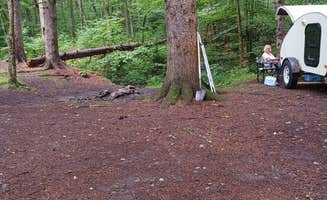
Natural features: The dense tree coverage in some areas provides practical benefits beyond aesthetics. Kevin C. mentions that at Camp Seneca "the tree canopy over our site was dense enough that we did not get very wet when it rains," offering natural weather protection not found at more exposed sites.
Relative solitude: Weekdays often provide completely empty campgrounds. A camper reported arriving "on a Monday and this camp was completely empty," allowing them to select "the biggest site next to the creek." The lack of crowds enhances the rustic camping experience near Eden, New York.
Basic designated sites: Warner Road Dispersed Camping offers primitive but functional sites. One camper described it as "fine site, fire pit, primitive spot so no services," providing the essentials for rustic overnight stays without unnecessary development.
What you should know
Maintenance issues: Several camping areas suffer from litter problems. At Warner Road Dispersed Camping, Rose S. reported that "previous people who stayed at our site were messy and left litter," though it still "served its purpose as a free place to sleep along a longer trip."
Seasonal access challenges: Weather significantly impacts trail conditions in the region. Zack B. warns that at Boyce State Forest, the "trail was more of a stream than a trail. You'll spend more time beside the trail then actually on it," recommending visitors "come in dryer season or to bring rubber boots."
Regulatory confusion: Some sites have unclear camping regulations. Denise D. found that at Warner Road Dispersed Camping, "there are posted signs that say Day Use Only" despite evidence that "clearly people are camping here at times," creating uncertainty about permitted overnight stays.
Tips for camping with families
Accessibility considerations: Select sites based on your family's physical abilities. Boyce State Forest features a lean-to shelter, but reaching it requires hiking "1/2 mile" according to Alan C., which may be challenging for families with very young children or mobility concerns.
Emergency preparedness: Several primitive camping locations lack cell service and are remote from emergency services. The lean-to at Boyce State Forest reportedly "came with some firewood and cardboard to burn as well as some emergency water," according to Zack B., but visitors should pack additional emergency supplies.
Facilities assessment: Check bathroom availability before arriving with children. Kevin C. reported that Camp Seneca had "a porti-poty on site that had plenty of paper was pretty clean," which can be an important factor for families compared to sites with no facilities.
Tips from RVers
Size limitations: Many forest roads restrict larger recreational vehicles. While Warner Road allows larger vehicles with "big-rig-friendly" designation, most primitive sites in the region accommodate only smaller rigs or tent campers.
Services availability: No hookups exist at any of the primitive camping sites near Eden. Camp Seneca accommodates RVs but lacks electrical, water, or sewer connections, requiring self-contained operation and conservative resource management.
Road conditions: Forest service roads deteriorate seasonally. Denise D. noted that Warner Road Dispersed Camping was "quiet and dark," typical of remote forest sites, but road conditions often change with weather and seasonal maintenance schedules.




 Traveler


