


Karen N. Guide
Guide
GuideSanta Barbara Campground
Beautiful weekend
Stay at Santa Barbara Campground in Northern New Mexico. Was a beautiful spot. Road to Campground was well taken care of Beautiful trails throughout area
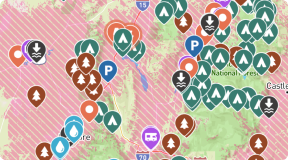
13 campgrounds · Check availability for any dates.

Jacks Creek Horse Camp provides primitive equestrian camping within the Carson National Forest near Pecos, New Mexico, approximately 40 miles from Llano. The campground features dedicated sites that accommodate tent camping and smaller RVs, with space for horse trailers. While no formal horse corrals are listed in the facility amenities, the camp offers pit toilets and potable drinking water for campers. Site reviews note the campground is surrounded by ranch land where cattle occasionally roam through the area. The camp serves as an important access point to the Pecos Wilderness with excellent trail connectivity for riders seeking backcountry experiences.
Trail access is a primary feature at Jacks Creek, with direct connections to Beatty's Trail and other wilderness routes. The campground sits at approximately 8,900 feet elevation, resulting in cooler temperatures even during summer months. Riders have access to multiple stream crossings along nearby trails, providing natural water sources for horses during day rides. Sites accommodate multiple horses with sufficient room for portable corrals or highlines. The campground maintains a quiet atmosphere ideal for those traveling with horses sensitive to noise and activity. Forest Service roads leading to the camp are generally maintained but can present challenges for larger horse trailers, particularly after rainfall or during spring thaw periods.
"There is a trail head with 2 trails, one atv accessible and one hiking/horse that goes up to Indian Lake. Beautiful views and about 1200' elevation change."
"Tent camped at this location in the middle of September (a week before closing). Very beautiful place to watch the leaves change, trailheads close by and picnic tables at each site."
from $30 - $175 / night
Check Availability"Stay at Santa Barbara Campground in Northern New Mexico. Was a beautiful spot. Road to Campground was well taken care of Beautiful trails throughout area"
"The trails are absolutely wonderful and well worth taking a few hours to walk part of them. Hard core hikers will use the campground as a starting point for a lengthy hikes."
from $30 - $80 / night
Check Availability"About a 15min drive from the highway. Only 5 or 6 sites. Close to the Rio Mario Trail trailhead. Campsite is at elevation over 8,000ft so it can get chilly at night. Worked great for tent camping."
"Campground is a little off the beaten path, about 30m from the High Drive highway. Dirt roads were nothing to worry about, should be fine for any SUV or sedan."
"During rainy seasons, ruts form with deep mud on some spots driving up."
"It's a nice little place tucked away in the woods. The road to get there is a bit rough, hence the title. By no means, Not a road for a large trailer or 5th wheel. Wild life everywhere.."
"The sites on the outside of the loops are decently wooded, smaller and not well suited to RVs. The sites on the inside of the loops have longer, RV sized pull in and little trees."
"Great overnight spot to use as a "home base" with lots of trail access. Multiple units of corrals and plenty of parking and turnaround space for large trailers."
"Beautiful drive out, creeks on both sides. Nestled deep in the Pecos Wilderness. Camping overlooks the mountains. Beatty’s trail head is nearby. Made a fire and had electric to charge my phone"
from $100 / night
Check Availability"Cute cats and dogs all around. Pretty views and conveniently located within driving distance of a lot of attractions. Def recommend checking out the local hot springs."
"It is off the highway but nice and secluded. Pretty location and outside of Las Vegas, NM. It isn’t a five star because the sites are pretty close together"
from $45 - $75 / night
Check Availability"Many open areas to camp right off the highway. The views of the mountains across the valley are best after the fork in the road. Please pick up extra trash if you use"
"I didn’t see anyone else camping or driving by. The forest is a nice mix of sage, juniper, and pine trees. I saw two elk across a swath of sage."
"The location is isolated and you need to bring plenty of water. The advantage is being able to walk into the Gorge, which if you fly fish, is an amazing thing."
"The whole ranch has been turned into a top notch facility with campgrounds and motel rooms, horses for rent, classes, and great hiking. The campground is large with several interconnecting loops."
"Recommend arriving not too late to see if you can get a good spot, we didn’t have shade so had to go find a nice shady bench away from our site for eating lunch / relaxing after our hike."
GuideStay at Santa Barbara Campground in Northern New Mexico. Was a beautiful spot. Road to Campground was well taken care of Beautiful trails throughout area
 Guide
GuideMy wife and I have stayed at Hopewell Lake twice now. The first time we stayed here, we stumbled upon this little gem of a site while driving from Durango, CO to Taos, NM. It was enchanting enough that we made sure to make it back for an opportunity to take in the scenery and relax during a long weekend. The only issue we ran into was an abundance of mosquitos, but this should be expected during the late Spring/early Summer in northern New Mexico and can be easily addressed with a citronella candle and a bit of bug spray. Our most recent stay was on one of those rare nights where you can pull off the rain fly and not worry about a midnight downpour, which left us with a wonderful view of the stars, and the sites are private enough that, as long as you don't set up next to the table, it's comfortable with an open tent and away from prying eyes.
The campground is nice, very well maintained, and the site host is friendly and helpful. The grounds are a
 Guide
GuideWe stopped here for an overnighter and it was not the most aesthetic choice, but the town of Las Vegas is quite charming. The town has a great plaza and historic hotel where we had a pretty good meal. The sunsets and landscape in this part of New Mexico really take your breath away.

 Scout
ScoutBased on the reviews I thought this place would be a cool oasis up in the trees. Alas, it's not. There's a loop with 14 total sites. Unfortunately, at least half the sites in the inner ring are unusable because of road runoff making it tough to get to them, and we have a Toyota Tacoma. As a result, they do not get used and are, therefore, overgrown with New Mexico ground cover, which is not comparable to soft grass. That immediately bumps it down to about 10 sites. When we arrived, there was one site available that we could access. It was behind the main trailhead parking area and completely shaded. All in all, not bad, just not our ideal choice since it's right there close to any and all foot traffic. Luckily, as we walked the rest of the loop to see if there was anything else, a couple was just finishing packing up so we were able to snag their spot (#13), which we felt was the best one. Score!
Now, let's talk the road to get there. Absolutely do not try to take a camper of any size to this campground unless it's a legit overland type tear or squaredrop, ideally with an articulating hitch. People are not kidding when they say that's not a good idea. We had our Tacoma in 4L and I'm honestly not sure how some 2WD vehicles make it. There are many spots where the incline is pretty good, a number of deep crevices as a result of water runoff, many sections that are absolutely one lane only, and at least 6 spots where there was a small pond of standing water to drive through. Were any of the ponds show stoppers, no, but the water in one dip came up past the bottom of our doors. All in all, the road is no joke. Yes, I get this is a forest road, but the road snakes through multiple pieces of residential property (albeit they are probably summer homes but we saw people at almost every house when we drove past), and there's a hiking trailhead at the campground, so I expected it to be not THAT bad. In my book, it's not officially 'offroading' but it's worse than other forest service roads we've been on. Oh, and the couple residents we passed driving in their vehicles (you can tell by looking at them they are not campers or hikers) made it abundantly clear they weren't happy with us being on their road. All in all, nice campground with great trailheads but there are too many other beautiful places to hike and camp in NM for us to want to go back.
 Guide
GuideGood road all the way in. About a 15min drive from the highway. Only 5 or 6 sites. Close to the Rio Mario Trail trailhead. Campsite is at elevation over 8,000ft so it can get chilly at night. Worked great for tent camping. Sites have a small horse pen but you would need to make a gate on them. Not good for big LQ horse trailers.

 Legend
We stayed at this site on the way back to Texas from our Colorado trip this summer. This is a great National Forest Campground south of Taos in the Carson Forest. The campground is just off the highway and situated in a beautiful mountain pine forest and next to a great trout stream. You have great shade during the hotter summer months. It’s far enough away from the highway that you don’t hear the traffic. It has a huge meadow and group camp site which look fantastic. The individual sites have some privacy between the sites and come equipped with fire pits and picnic tables. We made a reservation but the camp had a number of open sites in the peak summer season. The highlight here is the proximity of great hiking to nearby lakes and fishing in the trout stream. They had great facilities including clean pit toilets and some historic log cabins. They have a camp host and the sites accommodate tents and smaller vans and campers. I would give this another visit on our next trip to NM.

 Ranger
This is a very spacious private campground southwest of Santa Fe with access to public land. Located 20 minutes from downtown Santa Fe. There are probably 50 sites with restrooms and showers. I saw a few tent but this is really geared toward RVs. They have discounts if you stay 4 to 6 days it is 10% off and 7 to 14 days it is 15% off. There is really nothing to it but it is so spacious and quiet, great vibe and the staff is super nice and helpful. They offer overnight stabling for horses too.

 Traveler
There is a trail head with 2 trails, one atv accessible and one hiking/horse that goes up to Indian Lake. Beautiful views and about 1200' elevation change.
Potable water available at camp host's location. It has sulfer but the smell cleared after half a day sitting in the sun. We brought our own to drink though.
Some campsites were more separated and others were close together if you were with a group. River runs along the camp for fishing, and they were catching fish.
 Guide
GuideThis is a great campground if you like to take some hikes through some beautiful national forest with a picturesque river. The Santa Barbara Campground is relatively small and most of the sites can't accommodate large rv's. A small travel trailer or tent works well in most sites. None of the sites have hook ups so you will be boon docking. There are vault toilets and water available. Sign on the water spigot said not to connect a hose though so filling your rv or trailer is not what they were intended for. I guess it was good that I filled before I left home. There are lots of trees for shade and beauty. The trails are absolutely wonderful and well worth taking a few hours to walk part of them. Hard core hikers will use the campground as a starting point for a lengthy hikes. There were a few cows that got into the camping area. There can also be horses on the trails so be vigilant.The temperatures were quite moderate as the campsite is at 8900 feet. You can hear the Santa Barbara River as it is very close.
The Carson National Forest offers exceptional equestrian camping opportunities near Llano, New Mexico, with trailheads accessing wilderness areas at elevations between 8,000-9,000 feet. Summer temperatures typically range from 70s during days to low 50s at night, creating comfortable conditions for both riders and horses during peak season. Water availability varies significantly between established and dispersed sites.
Wilderness hiking access: The Iron Gate Campground serves as an excellent starting point for multi-day backcountry explorations. "We camp here as often as possible! Often we use it as a base camp to start over night backpacking trips in the Pecos. It's tucked away, so there are usually few other campers," notes Dean K. The campground connects to extensive trail systems through forested mountain terrain.
Trout fishing: The mountain streams and lakes provide productive fishing spots throughout the region. At Hopewell Lake Campground, anglers report consistent success. "The trout fishing is fun and always a success at the lake," writes Sara S. Water levels vary seasonally, with spring runoff creating faster currents in streams compared to late summer conditions.
Trail riding: Beyond the established horse camps, riders can access numerous forest service roads and designated trails. The terrain includes both technical rocky sections and more moderate routes suitable for less experienced horses. Multiple stream crossings provide natural water access during day rides, but depth and current strength vary significantly with seasonal precipitation.
Cooler temperatures: The higher elevation provides relief from summer heat found at lower elevations. "We enjoyed our weekend. The creek is very close and accessible, which is probably the highlight. There are plenty of hammock and shade trees," reports Carrie S. about Agua Piedra Campground. These cooler temperatures benefit horses during summer rides.
Trail connectivity: The network of trails throughout the Carson National Forest creates opportunities for varied riding experiences. "Great hiking trail leads into Pecos wilderness, another trail leads up to Indian lake. Trailhead is right in the campground, so hike right from your campsite," explains Robin T. Many trails accommodate both hikers and horses with adequate width and reasonable grades.
Stargazing opportunities: The distance from major population centers results in minimal light pollution. "At night, when everyone is settling, with a clear sky, you get an amazing view of the stars," mentions Marcela R. This makes the area ideal for overnight packhorse trips into more remote sections where astronomical viewing is even better.
Road conditions: Access roads to horse campgrounds can present challenges depending on weather and vehicle type. "The road to get there is a bit rough... by no means, not a road for a large trailer or 5th wheel," warns Frank and Olga C. about Santa Barbara Campground. Forest service roads typically require higher clearance vehicles, especially when pulling horse trailers.
Wildlife encounters: Both domestic and wild animals frequent the camping areas. "Cows keep you up all matters of the night. You can't take 4 steps without stepping in poop-It's EVERYWHERE," cautions Phillip A. Bears are occasionally reported in the area, requiring proper food storage and horse feed management techniques.
Water quality variations: While potable water is available at some established campgrounds, quality and taste differ significantly. "Water at spigots spaced throughout campground is cold and fresh-tasting," notes Barbara H. However, at other locations, water requires treatment or hauling in your own supply for both human and equine use.
Stream play areas: Children enjoy exploring the small waterways that run through many campsites. "Went exploring in the river next to the campground and then took a short hike up the river to some amazing river canyon views," shares Donaji R. When camping with horses and children, select sites with adequate separation between equine areas and play zones.
Easy day rides: Several trails offer manageable distances for younger riders. "Trail to Indian Lake is an easy hike of 2.5 Miles each way and perfect for families or hikers with the need for low-impact trails," suggests Rebecca A. These gentler trails typically have fewer technical challenges for beginner horses and riders.
Varied accommodation options: For families new to horse camping, Ghost Ranch offers a transition option. "If you're in the area and they have availability, it's hard to beat Ghost Ranch for value. RV spots with hookups are $45 a night!" reports Mike B. The ranch includes both standard camping and upgraded options for families wanting partial amenities while still accessing riding trails.
Size limitations: Most horse campgrounds near Llano accommodate smaller trailers rather than large living-quarter rigs. "Campground has a huge backpacker parking lot and when we arrived on Friday it was overflowing out onto the main road," observes Robin T. Plan for limited turnaround space and narrower access roads when bringing combination horse trailer and RV setups.
Leveling challenges: The terrain at many sites creates uneven parking areas requiring additional stabilization. "Campsite is at elevation over 8,000ft so it can get chilly at night. Worked great for tent camping. Sites have a small horse pen but you would need to make a gate on them. Not good for big LQ horse trailers," advises Jeff K. about Borrego Mesa Campground. Bringing extra leveling blocks is essential for most horse camping setups.
Water management: Limited hookups necessitate careful water planning for both human and equine needs. Most horse campers report carrying between 30-50 gallons of additional water for short weekend trips to supplement natural water sources. Stock tanks should be secured at night to prevent wildlife disturbance.
Frequently Asked Questions
Which is the most popular equestrian campsite near Llano, NM?
According to TheDyrt.com, the most popular equestrian campground near Llano, NM is Agua Piedra Campground with a 4.4-star rating from 11 reviews.
What is the best site to find equestrian camping near Llano, NM?
TheDyrt.com has all 13 equestrian camping locations near Llano, NM, with real photos and reviews from campers.
Keep Exploring