Equestrian camping near Superior, Montana combines dense forest terrain with riverside access points throughout Lolo National Forest. The area sits at approximately 2,700 feet elevation with significant seasonal temperature variations and summer highs reaching 85°F. Several dispersed camping sites accommodate horse trailers, particularly along forest roads that connect to the extensive trail networks between the Cabinet Mountains and the Bitterroot Range.
What to do
Fishing access points: The Clark Fork River provides multiple fishing spots accessible from dispersed camping areas in Lolo National Forest Recreation Area. "Beautiful site right next to the river," notes camper Meaghan M., who enjoyed the proximity to water. Cutthroat trout can be caught in several tributaries.
River floating: Summer temperatures create perfect conditions for floating trips. "While my hubby flyfishes, I float on the Clark Fork. You can put in right from your campsite, the beach by the pullthru sites, Dry Creek or Superior, then float to your campsite/beach, St Regis, or 14 Mile/Ferry Landing," explains a camper at Sloway Campground.
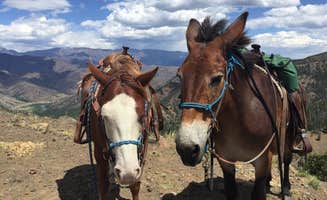
Trail riding: For riders looking for trailhead access points, options exist throughout the forest. "This camp is great for those who are into trail riding the horses and has a great trailhead for an awesome adventure," mentions Christopher R. about Fourth of July Trailhead. Most trails require intermediate riding skills due to terrain challenges.
What campers like
Privacy between sites: Campers consistently mention the spacing between sites at dispersed locations. "Spots are very private and spacious overlooking river. Minimal road noise. Only a couple spots taken," reports Brian K. at Lolo National Forest Recreation Area. This spacing allows horse owners to maintain distance between animals and other campers.
River sounds: Many campers appreciate how water noise masks other sounds. "Arrived very late in the dark on Friday night coming back from Canada, and found an amazing site next to the river which drowned out all surrounding noise," explains Luke L., who stayed at a riverside spot. The white noise helps mask highway traffic for camps near main roads.
Access to supplies: Several small towns near Superior provide supply options for horse feed and camping needs. "12 miles to gas station," mentions Josh S. about the distance to resupply points from his campsite. Most dispersed equestrian camping requires bringing all initial supplies, but towns offer restocking options.
What you should know
Train noise considerations: Many camping areas near the Clark Fork River experience train noise. "We ended up not staying here. We didn't know there were trains running all night long. It wouldn't be so bad without the whistle," reports Nancy C. about her experience at Sloway Campground. Campers should position horse containment away from tracks to minimize animal stress during nighttime train passages.
Wildlife awareness: The area requires standard bear precautions for food storage. "Signs to be aware of bear country but took precautions," notes Julia R. about camping in Fish Lake Trailhead area. Horse feed must be secured overnight in bear-proof containers or vehicle storage.
Seasonal water conditions: River access points vary significantly between spring runoff and late summer. "Plenty of space, both large and small sites... Some sites on the water with a short steep slope down," describes Josh S. Water access for horses can require navigating steep banks depending on seasonal water levels.
Tips for camping with families
Riverside swimming: Several camping areas offer gentle water entry points. "Absolutely beautiful river, beautiful spot. Great for fishing, swimming, etc.," shares Audrey L. about her stay at Lolo National Forest Recreation Area. Children should wear life jackets as currents can be strong even in shallow areas.
Poison ivy awareness: Some camping areas have poison ivy near water access points. "POISON IVY (found it... found all of it)," warns Josh S. about his camping experience. Families should teach children plant identification before arrival and bring treatment supplies.
Overnight noise preparation: For families staying near transportation corridors, noise management helps with sleeping. "The noise from the trains was no joke. Woke us up about 5 times overnight, fortunately toddler slept through it," shares Jess R. about staying at Sloway Campground. White noise machines or apps help children sleep through interruptions.
Tips from RVers
Free electrical hookups: Some locations offer unexpected amenities. "Great free camping spot for an overnight stay. Far enough from the interstate to eliminate most road noise. There is an overflow lot that is more private but closer to the interstate. 7 sites have free electrical hookups," shares rob D. about staying at 50,000 Silver Dollar Campground. These sites work well for horse trailers with living quarters.
Road conditions for trailers: Forest road access varies for larger rigs and horse trailers. "Main dirt road is well maintained but narrow and curves up the mountain. Lots of spots if you keep on going, but some offshoots are steep and rocky," explains Scott C. about Lolo National Forest access roads. Horse trailer owners should scout turnout locations before attempting access with animals.



 Traveler


