Camping sites around Lewis and Clark National Forest provide access to over one million acres of diverse terrain spanning elevations from 4,500 to 9,000 feet. The area features both developed campgrounds with amenities and primitive sites across a landscape of mountain ranges, grasslands, and river systems. Summer temperatures can fluctuate dramatically, often dropping into the 40s at night even when daytime highs reach the 90s.
What to do
Hiking to Hanging Valley: The Hanging Valley trail starts right from Vigilante Campground and offers a challenging 11+ mile round trip with significant elevation gain. "Secluded and Beautiful. A bit hard to find but go past the Helicopter and keep going down the dirt road for a mile or two. All the campsites sit along a rocky canyon and a stream runs parallel to the road," notes Kyle K.
Water activities at Holter Lake: The lake provides excellent fishing, swimming, and boating opportunities for all ages. At Holter Dam Rec. Site Campground, campers can access the water easily. "Clean. Had outhouses. Pet and family friendly drive to accessible. Tent and camper parking. Right on the water," reports Skyla S. The lake is known for its trout fishing, with many anglers having success near the marina areas.
Wildlife viewing: The forest edges and campgrounds often attract wildlife. "Deer wandered into the campground throughout the night and morning. You can hear logging creek moving from no matter where you are," shares Tara T. from Logging Creek campground. Many campsites offer opportunities to spot bighorn sheep on nearby hillsides.
What campers like
Secluded creek access: Many campers appreciate the small waterways that run through or near camping areas. At Logging Creek, one reviewer noted: "The campsites are beautiful, secluded, and shaded. There is water for kids to play in. There is a camp host. And several toilets. Endless trail." Jean L. added that despite the trek to reach it, the site was "TOTALLY worth it if you are up for the adventure."
Quiet lakeside camping: Pelican Point Fishing Access Site offers peaceful water access with minimal development. "Nice large RV spaces easy access. Easy access from 15 and nice RV spots. Boat launch ramp and small beach for swimming, fishing and for dogs to play. A sweet gem! No hook up but a pit toilet," according to Tracy R.
Varied campsite options: From heavily wooded sites to open waterfront locations, the region offers diversity. Michael B. describes Pelican Point: "No hookups, great fire pit and picnic tables. Plenty of space for multiple vehicles in each spot. Level and right by the water. All the spots have evening shade. Big mature trees."
What you should know
Seasonal availability varies: Most primitive forest campgrounds operate from Memorial Day through early fall, though some close earlier. Check current status before traveling as weather can affect closures.
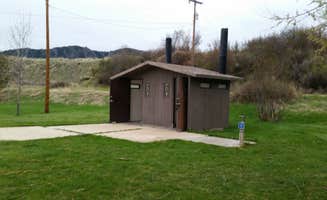
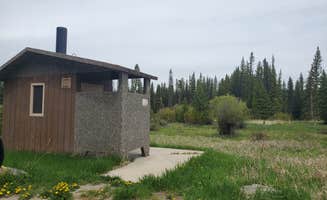
Limited services: Most forest service campgrounds have vault toilets but no showers. "This is a wooded camp ground near the creek with pit toilets," notes Holli L. about Vigilante Campground.
Road conditions: Many campgrounds require travel on gravel or dirt roads. "The road was a lil rough with the washed out gullies in the road with the cattle guards. But I overall loved it," shares Tara T. about accessing Logging Creek campground.
Bear country precautions: Several campgrounds report bear activity. At Log Gulch Recreation Site, campers should maintain clean sites and proper food storage. "Wildlife abound and fishing galore. Most sites are big enough for a camper and level enough for tents," notes Keith K.
Tips for camping with families
Kid-friendly water access: Look for campgrounds with gentle shorelines. At Pelican Point, Jamie O. mentions it's "Nice campground. Love the Pelican point pond. Great for kids." Sites with creek access often provide safer water play than larger lakes.
Recreation facilities: Some campgrounds offer extra amenities for children. Sterling C. reports about Log Gulch: "For scouts we had a huge campout here (like we do every year) and it still is one of my most memorable campground. The area is super clean, with the only trash I find way out in the mountain."
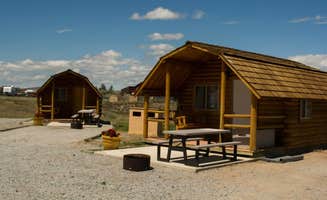
Primitive camping considerations: When glamping near Lewis and Clark National Forest with children, consider sites with reliable access to water. "This is a great place if you want to get away from Great Falls for a night or two. Each campsite has a fire pit, picnic table and a decent amount of trees. Great little pool on the far side of the campsite is great for kids," advises Jeff E. about Logging Creek.
Tips from RVers
Site accessibility: Many campgrounds have limited space for larger rigs. At Newlan Creek Reservoir, Jessica B. cautions: "Newlan Creek had a very nice drive into the campground, was well kept and had toilets, boat ramp, etc. Nice beach areas as well. It is hard to find a site as you have to drive through the loops of sites which have trees and some tight corners for those larger rigs."
Hookup availability: Most forest service campgrounds lack hookups. For full services, consider Jumping Creek Campground or the KOA properties. "It is very hard for someone with a walker to get around because of gravel roads/sites," notes Kenyon about access limitations at some developed sites.
Leveling challenges: Be prepared with leveling blocks. Lynn M. advises about Newlan Creek: "Small campground scatter along the lake, boat ramp and launch in good shape. Set in the mountains around White Sulphur Springs with WSS easily accessible if you forget something."






 Legend


